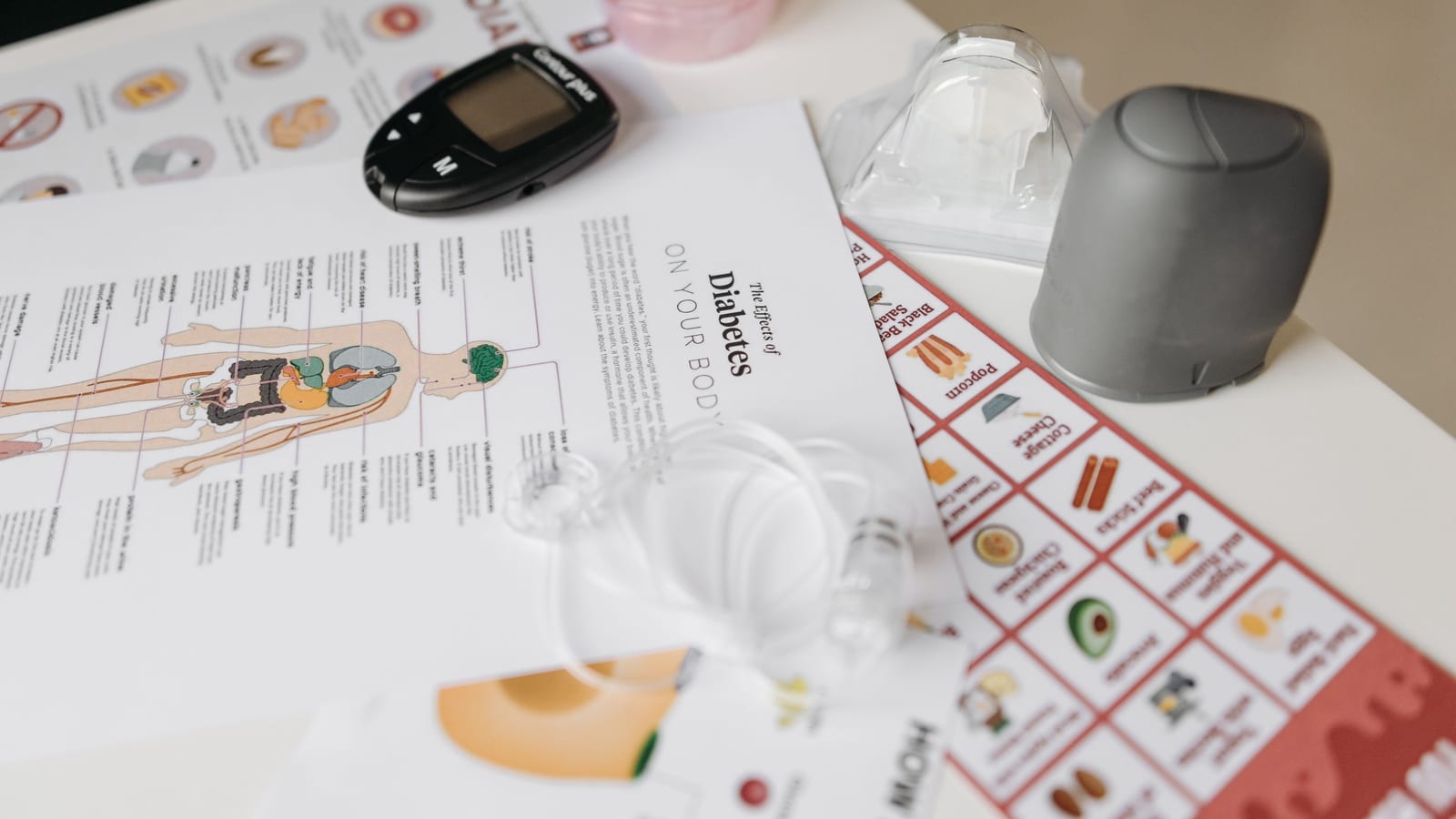
The honest summary: From late 2022 through October 2024, the FDA listed semaglutide as in shortage, which allowed licensed compounding pharmacies and 503A/503B facilities to prepare it legally for individual patients. When the FDA declared the shortage resolved in early 2025, the legal pathway for routine compounded semaglutide largely closed. As of 2026, most compounded semaglutide sits in a gray zone, sometimes legitimate under narrow exemptions, often not. Brand Wegovy and Ozempic remain the FDA-approved standard. Price gaps between brand and compounded narrowed after manufacturer direct-to-consumer pricing launched in 2024. The right answer depends on insurance, sourcing transparency, and what your clinician can verify.
“Compounded semaglutide for $199 a month” was the most common ad on Instagram in 2023 and 2024. In 2026 the picture is more complex. Some clinics still offer compounded semaglutide. The FDA, the state pharmacy boards, and Novo Nordisk all argue that most of that activity is now outside the law. Patients deserve a candid breakdown before they sign anything, regardless of which clinic they choose. This is ours.
For the parallel tirzepatide question, see our compounded tirzepatide vs brand piece. For the broader comparison between semaglutide and tirzepatide as molecules, see semaglutide vs tirzepatide. The full GLP-1 weight loss guide covers the broader class.
What is compounded semaglutide?
Compounded semaglutide is semaglutide prepared by a compounding pharmacy, either a 503A pharmacy that compounds for an individual prescription, or a 503B outsourcing facility that prepares in bulk for clinics. Compounding is a long-standing pharmacy practice for situations where an FDA-approved drug does not meet a patient’s specific need (allergy to an inactive ingredient, alternate dosing for pediatric patients, etc.).
Compounded semaglutide is not the same as Wegovy or Ozempic. Those are FDA-approved finished products from Novo Nordisk, manufactured in inspected facilities with full clinical-trial data behind every batch. Compounded semaglutide is prepared per prescription, typically using semaglutide base or a semaglutide salt (sodium or acetate). Some compounded products add B12, glycine, or other excipients.
Compounded semaglutide vs brand at a glance
| Factor | Compounded semaglutide | Brand (Wegovy/Ozempic) |
|---|---|---|
| What it is | Prepared per prescription, typically using semaglutide base or a salt form | FDA-approved finished product from Novo Nordisk, made in inspected facilities |
| Regulatory status in 2026 | Mostly a gray zone — sometimes legitimate under narrow exemptions, often not | Remains the FDA-approved standard |
| Clinical trial evidence | No large randomized trials of compounded semaglutide | Phase-3 STEP and SUSTAIN data were conducted with brand semaglutide |
| Molecule / salt form | May be a salt form (sodium/acetate); FDA has no clinical-trial data on these | Semaglutide base, the molecule in Wegovy |
| Storage and shipping | Vials are more sensitive to cold-chain breaks during shipping | Novo pen products include built-in temperature handling |
| Cost in 2026 | Historical price advantage narrowed after the Wegovy DTC launch | Often the cheaper monthly check on commercial insurance, after prior authorization |
The 2022–2024 shortage window
The FDA placed semaglutide on its drug shortage list in 2022. Under 503A of the Federal Food, Drug, and Cosmetic Act, compounding pharmacies can prepare “essentially copies” of an FDA-approved drug only under limited circumstances, and a documented shortage is one of them. During the shortage, thousands of clinics, telehealth and brick-and-mortar, built businesses around compounded semaglutide. Pricing landed around $200–$400/month, well below the $1,000+ list price of Wegovy.
The shortage was a real supply problem, Novo Nordisk’s pen and cartridge production could not keep up with demand. By 2024, Novo had expanded manufacturing capacity. In late 2024 the FDA moved semaglutide to “resolved” status. That move had a sharp regulatory consequence: the 503A exemption tied to active shortage status no longer applied to most preparations.
What changed when the shortage status lifted?
Two things, roughly:
- The “essentially a copy” rule re-applied. 503A pharmacies generally cannot compound a product that is essentially a copy of a commercially available FDA-approved drug. With Wegovy and Ozempic back in normal supply, compounded semaglutide that is functionally the same loses its safe harbor.
- Litigation and state-board actions. Novo Nordisk and the FDA filed enforcement actions and warning letters. Several states (Florida, Mississippi, and others) issued board-of-pharmacy guidance restricting routine compounding.
Some clinics argue that small formulation differences (added B12, different concentration, salt form) take their product outside the “essentially a copy” definition. The FDA’s public position is that such variants generally do not qualify. The litigation is still unfolding in 2026.
What about quality and sourcing?
This is where patients should ask the hardest questions. Compounded semaglutide quality varies. Concerns we and others have documented include:
- API source. The active pharmaceutical ingredient must come from an FDA-registered facility. Some compounded products in 2023–2024 were sourced from unregistered overseas suppliers, illegal under the FDCA.
- Salt-form ambiguity. “Semaglutide sodium” and “semaglutide acetate” are not the same molecule as the semaglutide base in Wegovy. The FDA has stated they have no clinical-trial data on these salt forms; safety and efficacy in humans are not established.
- Sterility and endotoxin testing. 503A pharmacies have varying levels of state inspection. 503B outsourcing facilities have stricter federal oversight, similar to manufacturers.
- Dose accuracy. Independent testing of compounded GLP-1 vials in 2023–2024 found dose variation of more than 20% in some samples.
- Storage. Semaglutide must be refrigerated. Pen products from Novo include built-in temperature handling. Compounded vials are more sensitive to cold-chain breaks during shipping.
The point is not that all compounded semaglutide is bad. The point is that the quality floor is lower and the patient bears more of the verification burden.
Cost: brand vs compounded in 2026
The Wegovy direct-to-consumer launch closed a lot of the price gap. For patients with commercial insurance, brand is often the cheaper monthly check after a prior authorization clears.
Questions to ask any provider, brand or compounded
- What is the exact product I am being prescribed? (Brand name, or compounded, and if compounded, which pharmacy and what API source?)
- Is the pharmacy 503A or 503B? What is the most recent state or FDA inspection result?
- Is the API sourced from an FDA-registered facility? Can I see documentation?
- Is this semaglutide base, sodium, or acetate? Why was that form chosen?
- How are vials shipped and stored? Is there cold-chain documentation?
- What is the clinician’s protocol if I have side effects? Is a real licensed clinician on call?
- What happens if I lose weight on the program and want to step down or stop? Is there a maintenance plan?
A clinic that can answer all seven without flinching has done its diligence. A clinic that gets defensive on any of them is a yellow flag.
Our stance at OC Weight Loss and Medspa
We aim to be balanced. We do not categorically dismiss compounded medications. They have a legitimate role in pharmacy. We do think the 2026 regulatory landscape favors brand products for most semaglutide patients who can access them at reasonable cost, given (a) the closure of the routine shortage exemption, (b) lingering quality questions around some compounded supply chains, and (c) the manufacturer’s direct-to-consumer pricing that closed much of the historical gap.
For patients without commercial coverage and without enough income to absorb the cash price, the decision is harder and very personal. We discuss the trade-offs at the consult. Either way, every patient who walks through our door gets clinician oversight, a real medical record, and a tapered plan, not a vending-machine prescription.
What does the clinical evidence say?
All the published phase-3 data, STEP-1, STEP-3, STEP-4, STEP-5, SUSTAIN, was conducted with the brand FDA-approved semaglutide. STEP-1 reported a mean weight loss of 14.9% at 68 weeks (Wilding et al., NEJM 2021). There are no large randomized trials of compounded semaglutide. Compounded products may produce similar results in many patients, but “may” is the operative word, and the FDA has flagged that the absence of human safety data on alternative salt forms is a concern.
Frequently asked questions
Is compounded semaglutide legal in 2026?
It depends. Compounding under a valid prescription for a specific patient’s documented clinical need remains lawful. Routine “essentially a copy” compounding of a drug that is no longer in shortage generally is not. State pharmacy boards have begun enforcing more aggressively. Ask the clinic to explain their legal basis.
Is compounded semaglutide the same molecule as Wegovy?
Sometimes yes, sometimes no. Compounded products that use semaglutide base in the same concentration are chemically the same active ingredient. Products labeled “semaglutide sodium” or “semaglutide acetate” are different salt forms and do not have human safety data behind them.
Will my insurance cover compounded semaglutide?
Almost never. Compounded medications are typically cash-pay only.
Are side effects different between brand and compounded?
The known side-effect profile of semaglutide is consistent across both, nausea, fatigue, constipation, the rare pancreatitis signal. Compounded products can additionally introduce risk from formulation impurities or dose variability, depending on the pharmacy.
Should I switch from compounded to brand semaglutide?
If your insurance covers Wegovy or you can afford the NovoCare direct price, switching often makes sense in 2026, both for legal clarity and for the well-characterized brand product. Discuss timing with your clinician.
What if my telehealth clinic still sells compounded semaglutide cheaply?
Ask the seven questions above. If they cannot identify the pharmacy, the API source, or the salt form, walk away. The price savings are not worth a contaminated or under-dosed vial.
Is the FDA going to ban compounded semaglutide outright?
Not entirely, true individualized compounding remains lawful. What is narrowing is mass-compounded “essentially a copy” production. Expect more enforcement actions through 2026 and 2027.
Talk to a clinician at OC Weight Loss and Medspa
If you are choosing between brand and compounded semaglutide, or trying to figure out which path makes sense given your insurance, we run honest, no-pressure consultations Monday through Friday. Learn more about our GLP-1 weight loss program.
Book a free consultation
Related treatments at our Mission Viejo clinic
Not sure which treatment fits? These are the related services our clinicians most often discuss at a consultation.
- Semaglutide Injections in Orange County, CA, Medically supervised Semaglutide weight loss injections in Mission Viejo, serving Orange County.
- GLP-1 Weight Loss Orange County, Explore GLP1 for Weight Loss in Orange County.
- Medical Weight Loss Orange County, Clinician-supervised medical weight loss in Mission Viejo, CA.
References
- Once-Weekly Semaglutide in Adults with Overweight or Obesity — N Engl J Med 2021, via PubMed
- Pharmacological management of obesity: an endocrine Society clinical practice guideline — J Clin Endocrinol Metab 2015, via PubMed