PRP hair restoration
Your own platelets injected into the scalp to thicken hair you still have. It will shed more before it improves, which is expected, and being told that in advance is the difference between finishing the course and quitting at week three.
Medically reviewed by Lindsay Short, NP-BC, Board-Certified Nurse Practitioner · last reviewed September 2026
It sheds before it improves
More people abandon this course in month one than at any other point, and almost always for the same reason. Read this part before you decide.
- Weeks 2 to 5
- Shedding increases. This is expected
- Month 2
- Shedding settles
- Month 3
- Visible thickening begins
- Month 6
- The honest assessment point
Stimulating dormant follicles pushes hairs that were already at the end of their cycle out sooner than they would have gone. For a few weeks that makes things look worse rather than better. It is not the treatment failing, and someone who stops at week four has paid for the difficult part and none of the benefit.
Thinning responds. Bald does not.
The whole question is how much viable follicle is left, and it is answered by looking at your scalp rather than by a category.
Miniaturized follicles respond. A follicle that has narrowed and is producing finer, shorter hair is still alive. Growth factors can push it back toward producing a thicker shaft, and that is what this treatment does well.
Absent follicles do not. Where the scalp is genuinely bald the follicle is gone, and nothing injected brings it back. A transplant moves follicles that still work; PRP improves the ones you have.
This is the most common reason we decline a course, and it is worth hearing before you spend six months finding out.
What a course looks like
Consultation and photographs
Standardized photography under consistent lighting, because you see your own hair every day and gradual change is invisible to you. These photographs are what month six is judged against.
Three sessions, four to six weeks apart
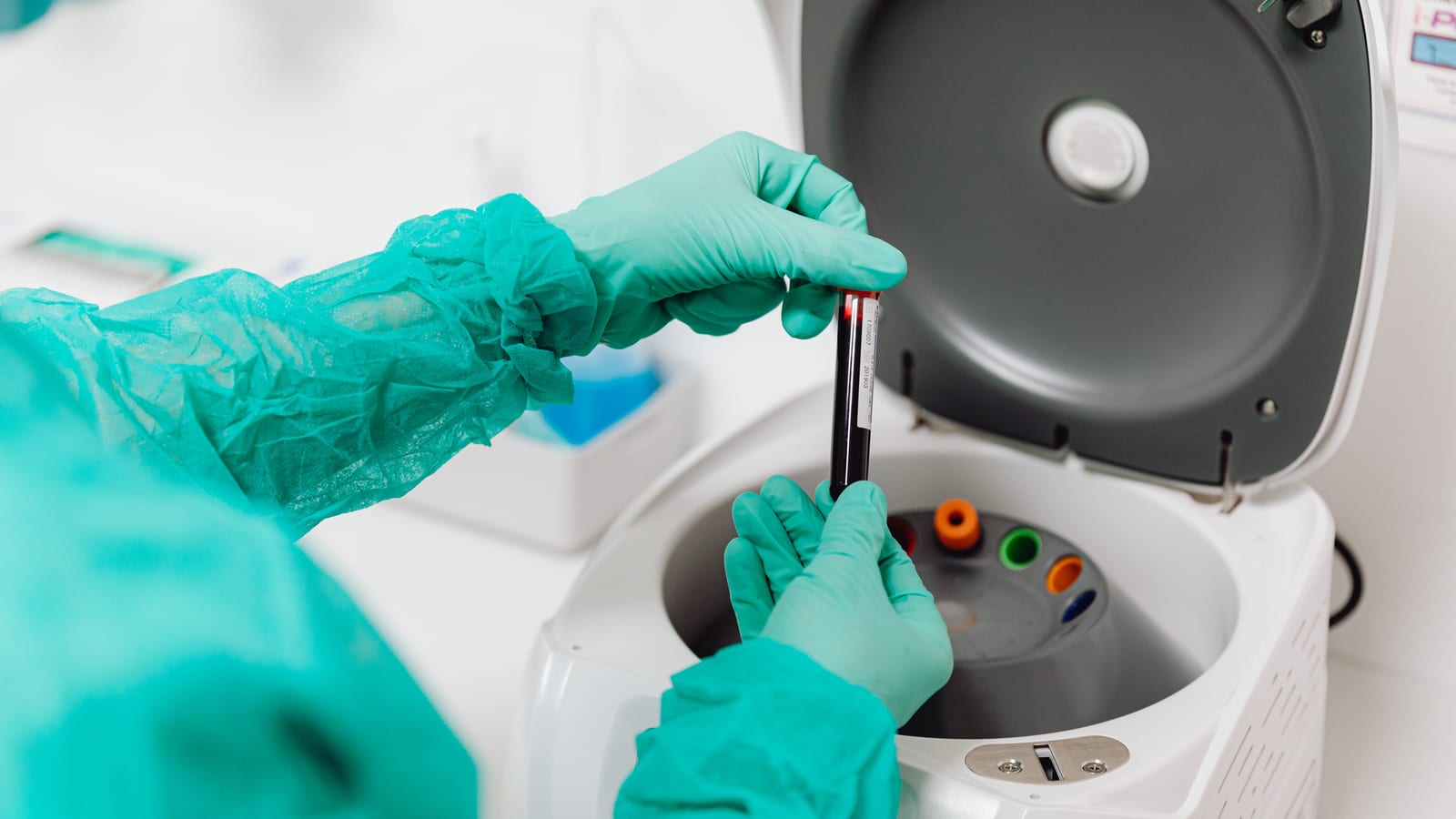
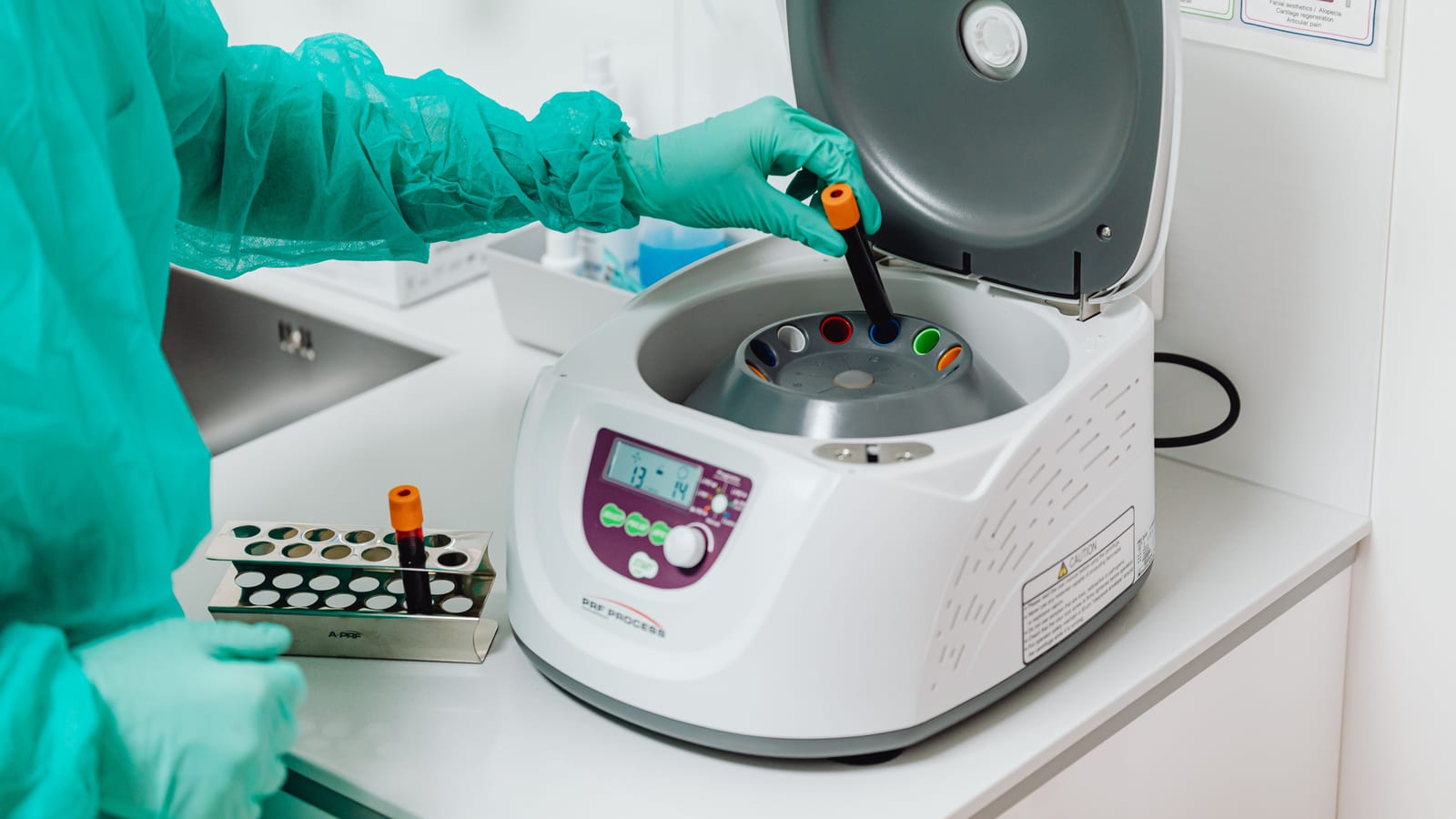
A draw, preparation, then a series of small injections across the thinning area. It takes about half an hour and you leave the same day.
The shed, then the settle
Weeks two to five look worse. By month two it has stabilized. This is the stretch to hold your nerve through.
Month six, and an honest answer
We compare against the photographs and say plainly whether it worked. If it did not, we stop rather than sell maintenance.
Aftercare, and what to avoid
For the first 24 hours: no washing the treated scalp, no heavy exercise, no alcohol. The channels created during treatment are open and the point of the first day is keeping them clean.
No anti-inflammatories for several days either side unless a doctor has told you otherwise. Ibuprofen and similar drugs blunt exactly the inflammatory repair response this treatment exists to trigger. Paracetamol is fine.
Arrive hydrated. It measurably affects what we are able to draw, and a thin draw makes a weak sample.
What else to rule out first
| If your loss is | PRP alone? | What else to address |
|---|---|---|
| Pattern thinning, early | Good candidate | Often combined with minoxidil or finasteride |
| Diffuse, in a woman | Often responds | Check thyroid, iron and hormones first |
| Sudden, in clumps | Not first | Needs a diagnosis before any treatment |
| After significant weight loss | Sometimes | Usually protein and nutrient gaps |
The last two rows matter. Rapid weight loss on a GLP-1 causes hair shedding often enough that we ask about it routinely, and the answer there is protein and time rather than injections. Thyroid and iron deficiency both cause diffuse thinning and both are fixable. Treating the scalp while the cause continues is a way to spend six months learning nothing, which is why we look at the wider picture first.
Book your free consultationAnswers before you book
Does PRP actually regrow hair?
It thickens and stabilizes hair you still have, and it can wake follicles that have miniaturized but not died. It does not grow hair where the follicle is gone. That distinction decides whether it will work for you, and it is why we look at your scalp before quoting a course rather than after.
Why is my hair shedding more after starting?
Because the treatment pushes hairs already at the end of their cycle out sooner than they would have gone. Shedding increases in roughly weeks two to five, which looks exactly like the treatment making things worse. It is not. More people quit here than at any other point, which is the whole reason this page says it before you book.
How long before I see improvement?
Shedding settles by month two, visible thickening around month three, and the honest assessment point is month six. Photographs at the first visit matter more than memory, because gradual change is genuinely hard to see in your own mirror.
Who responds best?
Early to moderate thinning where the follicles have narrowed rather than disappeared, and people who start sooner rather than after years of loss. Both men with early pattern thinning and women with diffuse thinning respond. The single biggest predictor is how much viable follicle is left.
Who should not bother?
Anyone with a scalp that is genuinely bald, where the follicle is gone. No injection restores a follicle that is no longer there, and a clinic selling a course for that is selling you nothing. Transplant is the honest route, and we will say so.
How many sessions?
Three, four to six weeks apart, then maintenance every four to six months. The course exists because the follicular response takes that long to run; coming back sooner does not compound the effect.
Does it work alongside minoxidil or finasteride?
Yes, and combining is usually better than either alone because they work differently. If you are already on one and it is helping, keep going. If your hair loss is hormonally driven, treating the hormones may matter as much as treating the scalp, and that is worth raising at the consultation.
What if it does not work?
We tell you at month six and stop, rather than selling maintenance for a result that never arrived. That is the point of assessing against photographs on a fixed date instead of asking how you think it is going.
Bring the scalp, not the worry
A free consultation looks at whether the follicles are thinning or gone. Only one of those responds, and if it is the other we will tell you rather than sell you three sessions.