PRP therapy in Mission Viejo
Your own platelets, concentrated and used for hair restoration and skin repair, drawn and treated in a single visit.
Medically reviewed by Lindsay Short, NP-BC, Board-Certified Nurse Practitioner · last reviewed September 2026
What PRP costs here
Priced per session, including the blood draw. Nothing is added to what we draw from you, so the cost is the procedure rather than a product.
- PRP session
- PRP hair restoration
- PRP with microneedling
- Multi-session packages
Three sessions four to six weeks apart is the usual starting course for both hair and skin, then maintenance. We quote the course at consultation rather than selling one session at a time.
PRP is quoted per session including the blood draw, with course pricing once the plan is set. Three sessions four to six weeks apart is the usual starting course.
- Quoted in writing before anything starts. You hear the full figure at your consultation, not after treatment and not on the day.
- The consultation is free, with no obligation to book and no charge if you decide against it.
- We do not bill insurance. No prior authorization, no coverage denial part-way through, and no treatment decision made by a plan rather than by your clinician.
- Cherry and CareCredit financing are available, and membership pricing is lower than standard rates.
What PRP is, in plain terms
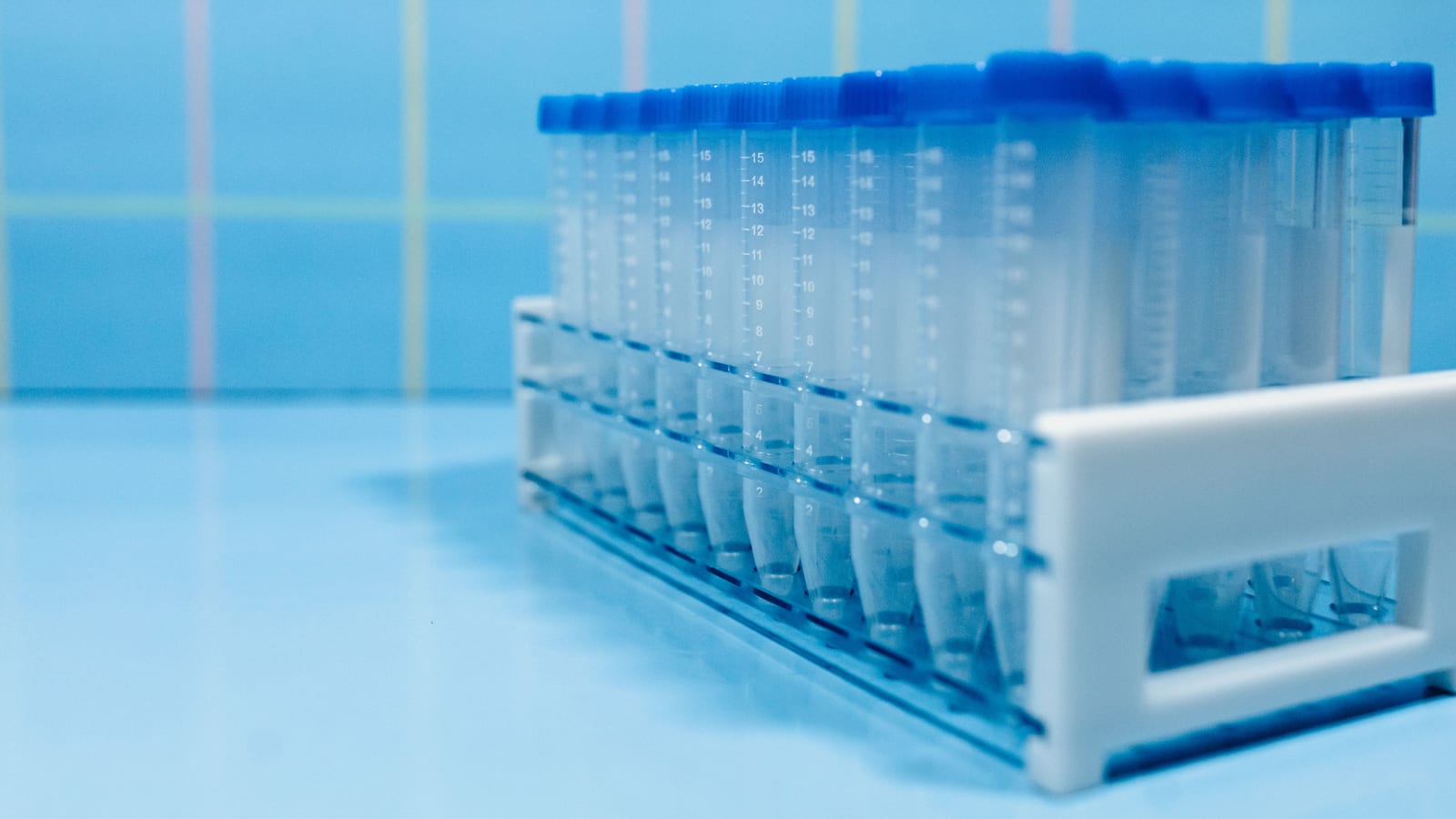
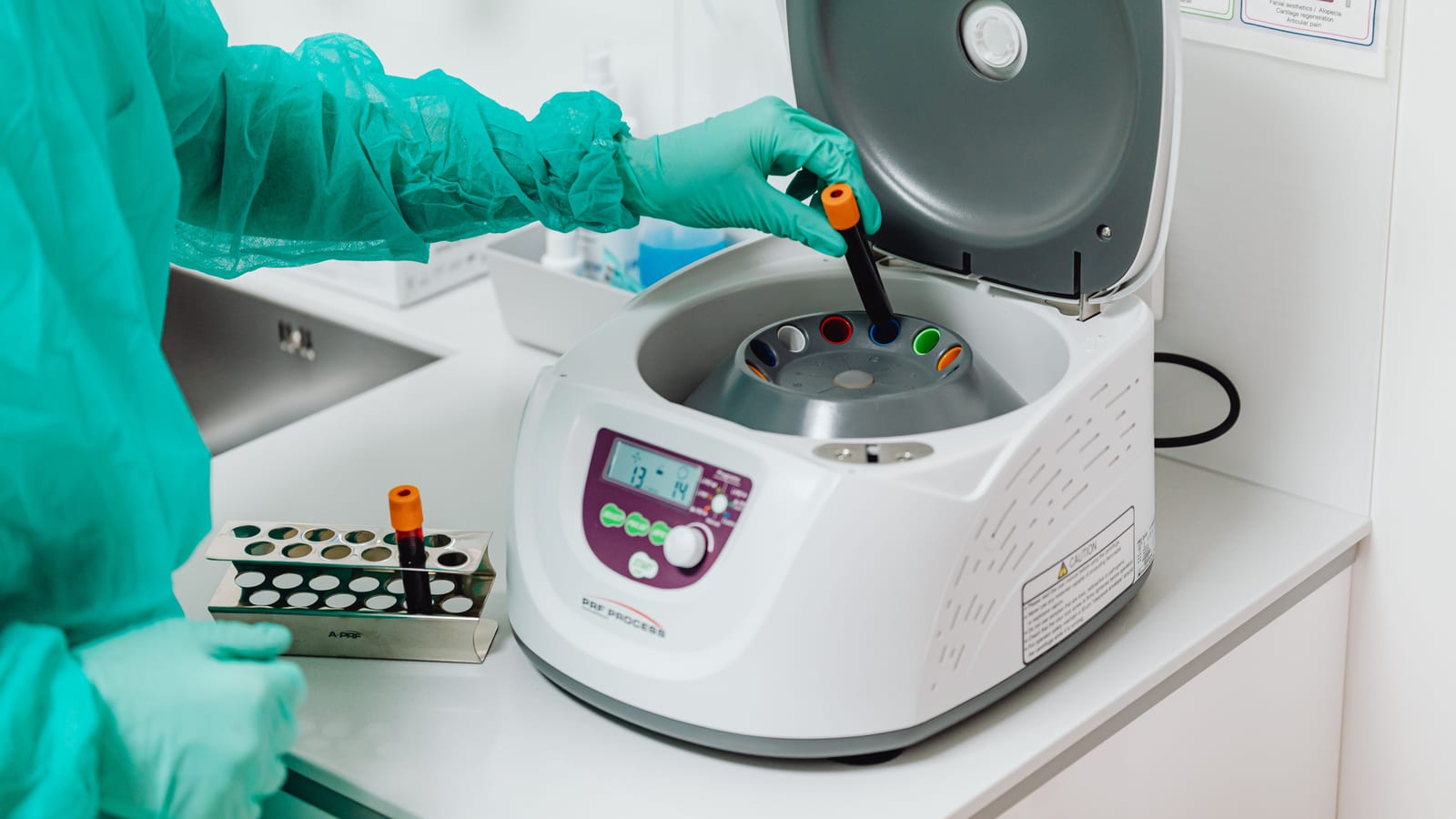
We take a small amount of your blood, spin it in a centrifuge to separate and concentrate the platelets, and use that concentrate where it is needed.
Platelets carry growth factors, the signaling molecules your body uses to repair tissue. Concentrating them and placing them into the scalp or the skin puts a much higher density of those signals exactly where you want a repair response.
Nothing is added. No synthetic material, no donor tissue, no filler. That is the genuine advantage: allergic reaction and rejection are not meaningful risks because it is your own blood going back into you.
It is also the reason PRP is slow. You are asking your body to build something, and that takes months rather than days.
The two things people use it for
| Hair restoration | Skin (vampire facial) | |
|---|---|---|
| What it treats | Thinning hair, early androgenetic loss | Texture, fine lines, acne scarring, dullness |
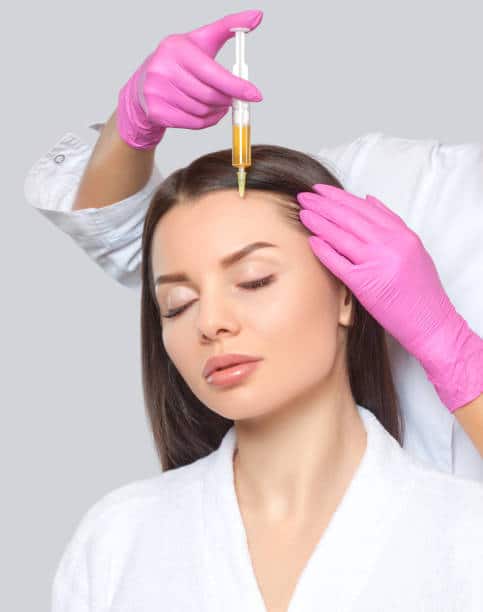
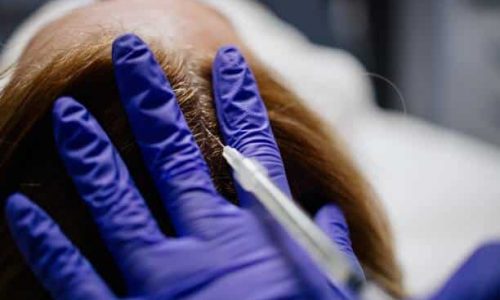
| How it is delivered | Injected across the scalp | Applied into microneedling channels |
| Sessions | 3 to start, then maintenance | About 3, four to six weeks apart |
| First visible change | Month 3, assessed at month 6 | 2 weeks for brightness, 2 to 3 months for collagen |
| Downtime | 1 to 2 days of tenderness | 2 to 3 days of redness |
Hair is the slower and less certain of the two. Shedding often continues through the first month, which alarms people who were not warned, and the real assessment point is month six.
What happens at your first visit
An honest assessment of whether it will work
For hair, that means looking at whether the follicles are still viable. PRP improves the environment around living follicles; it does not resurrect scarred or long-dormant ones, and no number of sessions changes that.
A blood draw, about five minutes
A standard draw. The sample is spun in the centrifuge while you wait, which takes roughly ten minutes.
Numbing, then treatment
Topical anesthetic for the scalp or forty-five minutes of numbing cream for a facial. The treatment itself is quick, the whole appointment is about thirty minutes.
A course plan, in writing
How many sessions, spaced how far apart, and what the course costs. Including the assessment point where we decide together whether it is working.
The first month of hair treatment is the hard part
More people abandon PRP hair restoration in month one than at any other point, and almost always for the same reason: shedding increases before it improves.
That shed is expected. Stimulating dormant follicles pushes hairs that were already at the end of their cycle out sooner, which makes the first few weeks look worse rather than better. It is not the treatment failing, and being told this in advance is the difference between finishing a course and stopping halfway through one that was working.
The realistic timeline: shedding through weeks two to five, stabilizing by month two, visible thickening around month three, and the honest assessment point at month six. Photographs at the first visit matter more than memory here, because gradual change is genuinely hard to see in your own mirror.
If nothing has changed by month six, we say so and stop, rather than selling maintenance for a result that never arrived.
Aftercare, and what to avoid
The first 24 hours
No washing the treated scalp, no heavy exercise, no alcohol. For a facial, no makeup. The channels created during treatment are open, and the point of the first day is keeping them clean.
Days two to five
Gentle cleansing only. Skip retinoids, acids and exfoliants entirely. This is when people undo a good treatment with their normal routine. A plain moisturizer and sun protection is the whole regime.
No anti-inflammatories
Ibuprofen and similar drugs blunt exactly the inflammatory repair response PRP exists to trigger. Avoid them for several days either side unless a doctor has told you otherwise. Paracetamol is fine.
Between sessions
Four to six weeks, which is not arbitrary. It is how long the collagen and follicular response takes to run its course. Coming back sooner does not compound the effect.
Who this is for, and who it is not
People with early to moderate thinning who still have living follicles. People who want skin texture and tone improved without introducing anything synthetic. People who have reacted badly to other treatments and want an option built from their own tissue.
Who it is not for
If an area is fully bald, PRP will not change it. Once follicles are scarred or long dormant there is nothing left to stimulate, and we will tell you that rather than take payment for three sessions.
If the concern is volume loss, that is a filler question. If it is laxity, see skin tightening. Certain blood disorders, active infection and some anticoagulant medications are reasons to postpone or decline, and we screen for them.
Drawn, spun and treated in one visit
- Who treats you
- Lindsay Short, NP-BC, every visit
- Credential
- Board-certified nurse practitioner
- Appointment
- About 30 minutes, start to finish
- Consultation
- Free, no obligation
PRP is a medical procedure involving a blood draw and a centrifuge, and it is performed here by Lindsay Short, NP-BC, a board-certified nurse practitioner, rather than by a technician. Preparation quality matters: how the sample is spun determines the platelet concentration you actually receive, which is the part of this treatment nobody can see.
Book your free consultationPreparation is most of the treatment
PRP is often described as if the draw and the injection were the whole procedure, which makes every clinic’s version sound identical. What actually separates one result from another is what happens to the blood in between.
Platelet concentration is the variable. A poorly spun sample can be barely more concentrated than the blood it came from, which is the most likely explanation when someone tells you PRP did nothing for them. Spin protocol, the separation system used, and how carefully the platelet layer is drawn off all decide what actually gets injected, and none of it is visible to you in the room.
Timing matters too. Platelets begin degrading once separated, so the sample is prepared and injected in the same visit within a short window rather than held. It is also why we ask you to arrive hydrated and to avoid anti-inflammatories beforehand, both measurably affect what we are able to draw and how it behaves once it is back in.
Related treatments
24002 Via Fabricante, Suite 201, Mission Viejo
Centrally located in Orange County. Easy parking, friendly front desk, and a comfortable waiting space designed for genuine conversation about your goals.
Saturday: Closed
Sunday: Closed
Answers before you book
How much does PRP cost?
A PRP session including the blood draw takes about 30 minutes and is quoted per session, with hair restoration quoted separately. Multi-session packages are quoted at consultation once we know how many you need. The consultation itself is free.
How many sessions will I need?
For hair restoration, three sessions spaced four to six weeks apart is the usual starting course, then maintenance every six to twelve months. For skin, three sessions is also typical. Hair in particular is a commitment rather than a single treatment, and we would rather be clear about that before you start.
What is a vampire facial?
It is PRP combined with microneedling. The microneedling creates channels in the skin and the PRP is applied into them, so your own growth factors reach the layer where collagen is built. The name is marketing; the treatment is a genuine pairing and it is more effective than either alone.
Does PRP actually work for hair loss?
The evidence is reasonable for androgenetic hair loss caught relatively early, and it works by improving the environment around follicles that are still alive. It will not regrow hair from scarred or long-dormant follicles. If you are substantially bald in an area, we will tell you that PRP is not going to change it rather than sell you three sessions.
Is it my own blood?
Yes. We draw a small amount, spin it in a centrifuge to concentrate the platelets, and use that concentrate. Nothing is added and nothing synthetic is introduced, which is why allergic reaction is not a meaningful risk.
Does it hurt?
The draw is a standard blood draw. For the scalp we use a topical anesthetic and most people find it very manageable, though the scalp is more sensitive than the face. For a vampire facial, numbing cream for forty-five minutes beforehand makes it comfortable.
What is the downtime?
For the scalp, tenderness and mild swelling for a day or two. For a vampire facial, redness like moderate sunburn for two to three days, sometimes with light flaking. Most people are presentable with makeup by day three.
When will I see results?
Skin brightens within a couple of weeks but the collagen response builds over two to three months. Hair is slower still: shedding often continues for the first month, thickening becomes visible around month three, and the honest assessment point is month six. Anyone promising visible regrowth at week four is overselling it.
Can PRP be combined with other treatments?
Yes, and it often is. PRP with microneedling is the most common pairing. It is also frequently used after resurfacing to speed healing. We map the sequence at consultation, because order matters more than people expect.
Find out whether PRP will do what you want
A free consultation, an honest assessment of whether the follicles or the skin will respond, and a written price by session. If we do not think it will work for you, we will say so.