Botox in Mission Viejo
Priced by the unit, with the count agreed before anything is injected. Every treatment performed by a board-certified nurse practitioner, reviewed at two weeks.
Medically reviewed by Lindsay Short, NP-BC, Board-Certified Nurse Practitioner · last reviewed September 2026
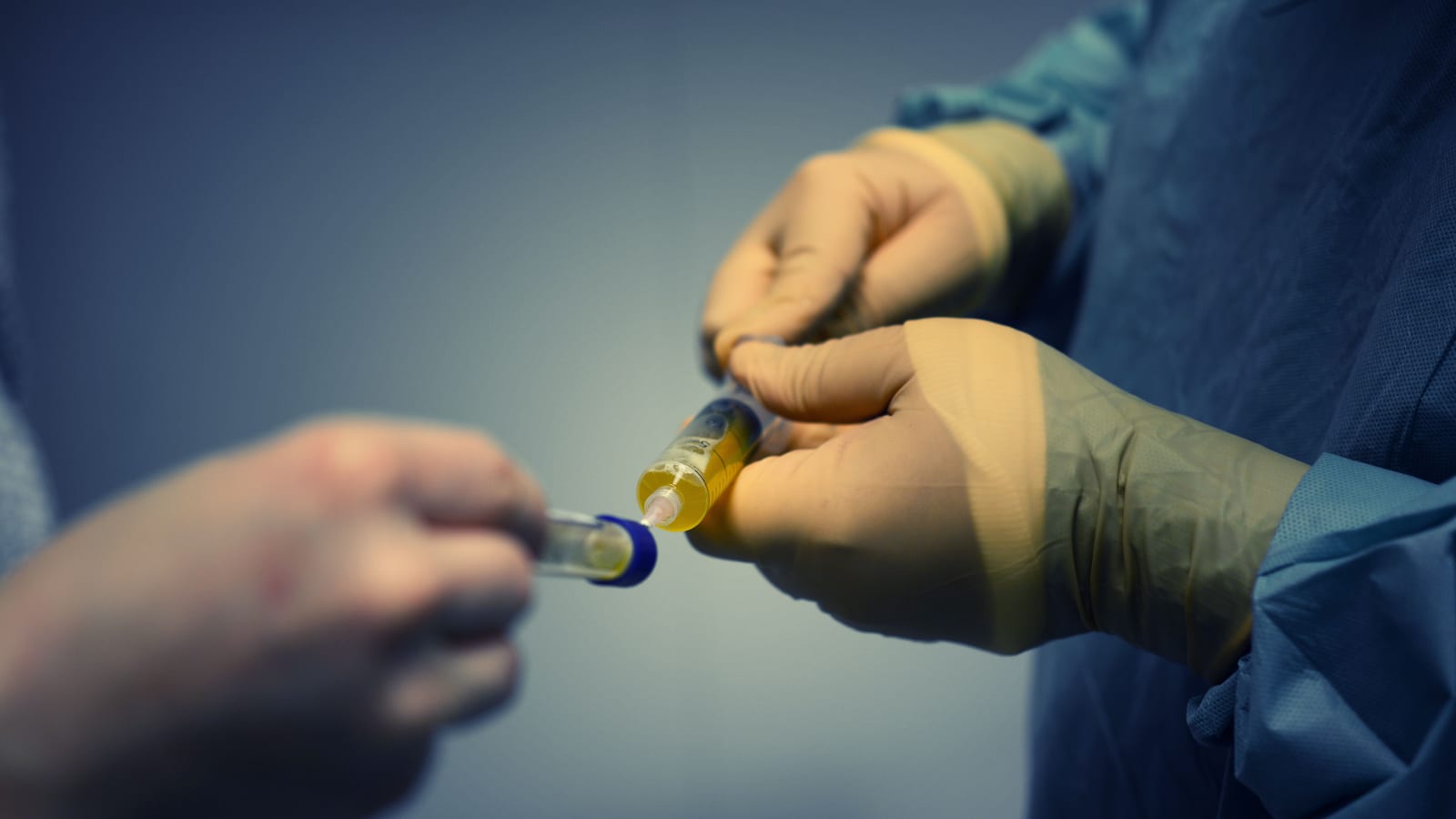
What Botox costs here
Priced per unit, because a unit is a fixed dose of product and an “area” is not. Two people can both want their frown line treated and need meaningfully different amounts of product to get there.
- Botox
- Frown lines (glabella)
- Forehead lines
- Crow's feet
- Full upper face
Unit ranges are typical, not a quote. Yours is agreed at the consultation before anything is drawn up, and the consultation is free whether or not you go ahead.
Botox is priced by the unit rather than by area, so you pay for exactly what goes in. We assess your muscle movement, agree a unit count, and quote the total before we start.
- Quoted in writing before anything starts. You hear the full figure at your consultation, not after treatment and not on the day.
- The consultation is free, with no obligation to book and no charge if you decide against it.
- We do not bill insurance. No prior authorization, no coverage denial part-way through, and no treatment decision made by a plan rather than by your clinician.
- Cherry and CareCredit financing are available, and membership pricing is lower than standard rates.
The reason to insist on a per-unit number is not price, it is honesty about dose. A fixed price per area creates a quiet incentive to use less product, and underdosing is the most common reason people say their treatment “wore off in six weeks”.
What it treats, and what it will not
Botox relaxes the muscle that folds the skin. That makes it precise about what it can change, and it is worth being equally precise about what it cannot.
It works on movement lines. The frown line between the brows, forehead lines, crow’s feet, bunny lines on the nose, a dimpled chin, and the downward pull at the corners of the mouth. Anything creased by a muscle contracting.
It does not fill. A line visible when your face is completely still is etched into the skin, and relaxing the muscle will soften it over months at best. That is a resurfacing, microneedling or filler conversation.
It does not lift loose skin. Sagging along the jawline or neck is laxity, not movement. Neurotoxin will not reach it, and skin tightening is the honest answer.
It does not treat volume loss. Hollow temples or flattened cheeks are a different problem with a different solution.
Why the unit count varies so much between people
This is the part almost nobody explains, and it decides both your result and your bill.
- Muscle strength
- The single biggest factor, strong frown muscles need more
- Sex
- Men typically need noticeably more, often 1.5× a comparable dose
- Treatment history
- Muscles treated consistently for years often need less
- What you want
- Softened movement needs less than fully stopped movement
We assess movement before quoting: you frown, lift, and squint while we watch which muscles are doing the work and how hard. That takes two minutes and it is the difference between a dose chosen for you and a dose chosen for an average.
Your count goes in your record. At the next visit we start from what actually happened last time, held well for four months, faded at ten weeks, one side stronger than the other, rather than repeating a guess.
What happens at your first visit
Assessment, about ten minutes
Medical history, what bothers you, and watching your face move. We photograph at rest and in movement, because comparing at the review is far more reliable than either of us remembering.
The number, agreed before we start
Units per area and the total cost, said out loud and agreed. No treatment begins before you have heard the figure.
Injection, about five minutes
A series of small injections with a fine needle. Most people describe a brief pinch. No numbing is normally needed for the upper face.
The two-week review
Booked before you leave. We look at the result together and add units to any area that needs them. This visit is included, and it is the reason a first treatment here tends to be conservative.
The first two weeks, and what wearing off looks like
First four hours. Stay upright, skip the gym, do not rub or massage the areas. That is the whole aftercare list, and pressure in those hours is the only thing likely to move product where it was not intended.
Days three to five. Movement begins softening. This is where people decide it has not worked, and it is genuinely too early to tell.
Day fourteen. The real result, and the point we review. Small asymmetries are normal at a first treatment and are what the review exists to correct.
Month three onward. It fades rather than stopping. Movement returns before the lines do, which is why coming in at the first sign of movement keeps a result consistently smoother than waiting for the lines to reappear.
Treating early, and treating too much
Two questions come up constantly and they pull in opposite directions, so here is where we stand on both.
Starting in your late twenties or thirties is reasonable if you already have a line forming at rest, because a line that has not yet etched is far easier to keep from etching than to remove later. It is not reasonable simply because of an age. If your skin is still smooth at rest, there is nothing to prevent yet and we will tell you to come back when there is.
Overtreating is the opposite mistake and the more visible one. A completely immobile forehead reads as done, and a brow that has been over-relaxed without treating its opposing muscles can drop rather than lift. Both are dose and placement decisions. We treat conservatively first, review at two weeks, and add, because units can be added at any point and cannot be taken back.
Who should not have it
Short list, and worth reading before you book. Neurotoxin is not appropriate if you are pregnant or breastfeeding, if you have a neuromuscular condition such as myasthenia gravis or ALS, or if you have had a reaction to a botulinum product before. Certain antibiotics interact with it, so bring your medication list.
Beyond that, we will decline when the treatment will not do what you are hoping for. If your concern is skin texture, laxity or volume, Botox is the wrong instrument and buying it anyway just delays the thing that would have worked.
Choosing between Botox and the alternatives
All four products we discuss relax the same muscle by the same mechanism. The differences are real but narrow, and they matter far less than the judgment about dose and placement.
| Onset | Typical duration | Suits | |
|---|---|---|---|
| Botox | 3–5 days | 3–4 months | The default. Most studied, most predictable. |
| Dysport | 2–3 days | 3–4 months | Larger areas; spreads a little more. |
| Xeomin | 3–5 days | 3–4 months | Reduced response to other products over time. |
| Daxxify | 3–5 days | Up to 6 months | Fewer visits a year matter more than price per unit. |
The neurotoxins page covers the comparison in full, including why per-unit prices are not directly comparable between products.
Book your free consultationAnswers before you book
How much does Botox cost in Mission Viejo?
Quoted by the unit, and you are told the unit count before anything is injected. A first frown-line treatment is commonly 18 to 25 units, forehead 8 to 15, crow's feet 18 to 24 for both sides. A full upper face therefore costs several times a single area, which is why we quote the total in advance rather than after.
How many units will I need?
It depends on muscle strength, not on the area alone, which is why a flat per-area price hides more than it reveals. Strong frown muscles can need thirty-two units where someone else needs eighteen, and the person needing eighteen should not pay for thirty-two. We assess movement at the consultation, agree the number with you, and record it so the next treatment starts from evidence rather than a guess.
When will I see it working?
Movement starts softening around day three to five and the real result is at day fourteen. That two-week point is when we review and add a few units if an area needs them. Judging it earlier is the single most common reason people conclude it did not work.
How long does Botox last?
Three to four months for most people in most areas. It fades rather than stopping abruptly, and movement returns before the lines do, which is why treating at the first sign of movement keeps a result smoother than waiting until the lines are back.
Will I look frozen?
Not unless you are overdosed. A face that looks obviously done is almost always a dosing decision rather than a product one. We treat conservatively at a first visit and add at the two-week review, because adding units is easy and removing them is not possible.
Does it hurt?
Very little. The needle is fine and each injection takes a second or two; most people describe a brief pinch. No numbing is normally needed for the upper face. The whole appointment runs about fifteen minutes.
What should I avoid afterwards?
For the first four hours: stay upright, skip the gym, and do not rub or massage the treated areas. Pressure in those first hours is the one thing that can move product where it was not intended. After that, normal activity. Avoid a facial or a massage that presses on the forehead for about a week.
Can Botox fix lines I have when my face is still?
Only partly, and this is worth knowing before you spend. Botox relaxes the muscle that creases the skin, so it works on lines caused by movement. A line that is visible when your face is completely still is etched into the skin and needs resurfacing, microneedling or filler as well. We will tell you which kind you have rather than treating and hoping.
Get the unit count before you commit
A free consultation covers which areas are actually driving what bothers you, how many units each needs, and what the total will be. If Botox is the wrong tool for the lines you have, we will say so.