The Restylane range
Five products we keep on the shelf, quoted per syringe. They differ in how firm and how flexible the gel is, which is what decides where each one belongs, and it is the whole of the choice.
Medically reviewed by Lindsay Short, NP-BC, Board-Certified Nurse Practitioner · last reviewed September 2026
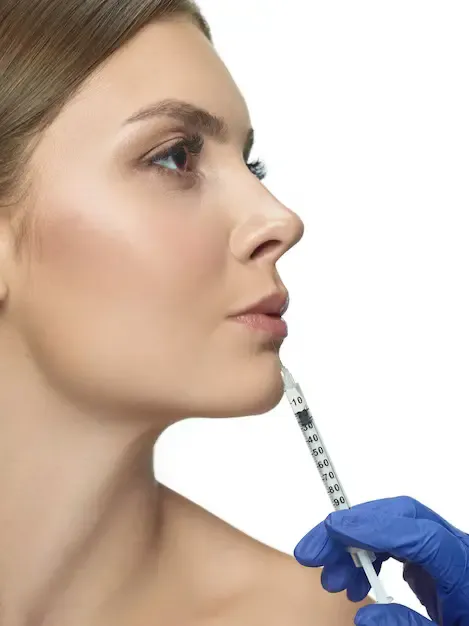
What each one costs, and what it is for
- Restylane Kysse
- Restylane Lyft
- Restylane Contour
- Restylane Refyne
- Restylane Defyne
- Dissolving (Hylenex)
All five are stocked. One syringe is typical for lips; cheeks and folds often take two. You are quoted the total before treatment starts and the consultation is free whether or not you go ahead.
The Restylane range is quoted per syringe by product. One syringe is typical for lips; cheeks and folds often take two, and we will tell you when one is the right place to stop.
- Quoted in writing before anything starts. You hear the full figure at your consultation, not after treatment and not on the day.
- The consultation is free, with no obligation to book and no charge if you decide against it.
- We do not bill insurance. No prior authorization, no coverage denial part-way through, and no treatment decision made by a plan rather than by your clinician.
- Cherry and CareCredit financing are available, and membership pricing is lower than standard rates.
Firm or flexible, the only distinction that matters
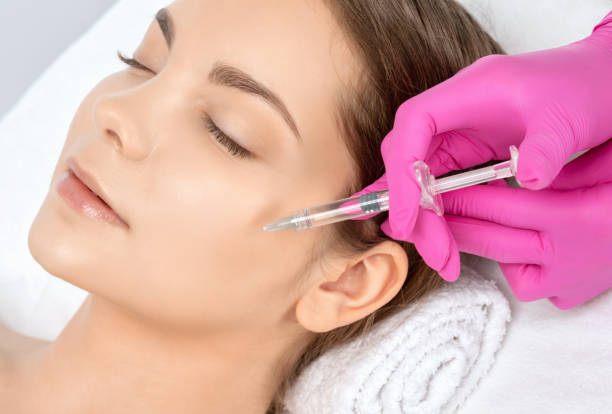
All five are hyaluronic acid, a sugar molecule your body already produces and can break down. What separates them is how the gel is cross-linked, which decides two things: how much structure it holds, and how much it moves with you.
Firmer gels, Lyft and Contour, resist pressure and hold their shape. That is what you want under a cheek or along a jawline, where the job is lift and the tissue does not move much.
Flexible gels, Kysse and Refyne, deform and recover. That is what you want in lips and around the mouth, where a gel that held rigid would look and feel wrong the moment you spoke.
Defyne sits between: firm enough to hold a deep fold open, flexible enough to survive the movement of the mouth.
That is genuinely the whole framework. Everything else in filler marketing is elaboration on it.
Which product for which area
| Area | Usually | Typical syringes | Lasts |
|---|---|---|---|
| Lips | Kysse | 1 | 6–12 months |
| Cheeks / midface | Lyft | 2+ | 12–18 months |
| Jawline / chin | Contour | 2+ | 12–18 months |
| Nasolabial folds | Defyne | 1–2 | 12 months |
| Fine lines around the mouth | Refyne | 1 | 6–12 months |
One thing worth saying about the fourth row. Nasolabial folds are the most requested treatment on this list and frequently the wrong one. The fold you can see is often the consequence of a cheek that has lost volume above it, and filling the crease directly treats the symptom while the cause keeps producing it. We will often recommend cheek support instead, which costs the same or more, we raise it because it works, not because it sells.
The two weeks after
First 48 hours
Swelling peaks around day two, and lips swell dramatically compared with anywhere else. Sleep propped up, ice gently, skip alcohol and heavy exercise. This is the window in which people panic about a result that is not finished.
Days three to seven
Swelling subsides and any bruising surfaces and fades. Small lumps are common and usually settle on their own; gentle massage only where we have shown you.
Two weeks is the real result
Filler integrates with your tissue and softens over this period. Judging at day three is the most common reason someone asks to dissolve a result that would have looked right by day fourteen.
The review
Come back at two weeks if you want anything adjusted. Adding a small amount then is straightforward, and it is the visit where a good result becomes the right one.
Book at least two weeks before any event, not the week of, and not the day before.
Reversible, and why that changes the decision
Hyaluronic acid filler can be dissolved. Hylenex breaks it down within a day or two, and that is a short separate appointment.
It is worth understanding what that does to the risk of trying this. A result you dislike is not something you live with for a year. It is something that can be removed next week. That is a genuine advantage over permanent and semi-permanent fillers, and it is a large part of why we work with this range.
It is also the reason we are comfortable recommending one syringe and stopping. You can always add. Where Sculptra is concerned the calculus is different, it stimulates your own collagen rather than placing a gel, so it cannot be dissolved, and that is a reason to be more conservative with it rather than a reason to avoid it.
Book your free consultationAnswers before you book
How much does Restylane cost?
Quoted per syringe, and the five products sit in a narrow band. Most first lip treatments use one syringe; cheeks and nasolabial folds more often take two, because those areas restore volume rather than shape a small structure. You are quoted the total before anything is drawn up.
Which Restylane is used for lips?
Kysse, in almost every case. It is formulated to be flexible enough to move naturally with the mouth, which is exactly what you want in a structure that never stops moving. Defyne is occasionally used for a firmer border. One syringe is typical for a first treatment.
What is the difference between all these products?
Gel thickness and flexibility, mostly. Firmer gels hold structure and are used where you want lift, cheeks, jawline. Softer, more flexible gels move with expression and are used where a stiff result would look wrong, lips, fine lines. Same base material in all of them: hyaluronic acid, a sugar your body already makes.
How long does Restylane last?
Six to eighteen months depending on the product and the area. Lips metabolize faster than cheeks because they move constantly, so plan on the shorter end there. Firmer gels placed deeper for structure tend toward the longer end.
Is it reversible?
Yes, and this is the real advantage of hyaluronic acid filler over permanent alternatives. Hylenex dissolves it in a short separate appointment. It is worth knowing before you start rather than after, and it is a reason to be relaxed about trying one syringe.
How many syringes will I need?
Lips usually one. Cheeks, nasolabial folds or jawline commonly two or more. We would rather stage treatment across visits than overfill in one sitting, and we will tell you when one syringe is the right place to stop, including when it means you spend less than you expected.
Does it hurt?
Less than people expect. The products contain lidocaine, and we use topical numbing for lips. Most people describe pressure rather than pain. Lips are the most sensitive area and also the most swollen afterwards.
When can I go back to normal?
Immediately for most things. Swelling peaks around day two and settles over a week, and lips swell far more than anywhere else. Avoid heavy exercise, alcohol and heat for 24 hours. If you have an event, book at least two weeks before it, bruising is unpredictable and no amount of care makes it reliably avoidable.
The product matters less than where it goes
A free consultation covers which area is actually creating what bothers you, often not the one you came in pointing at, and which product and how many syringes it honestly needs.