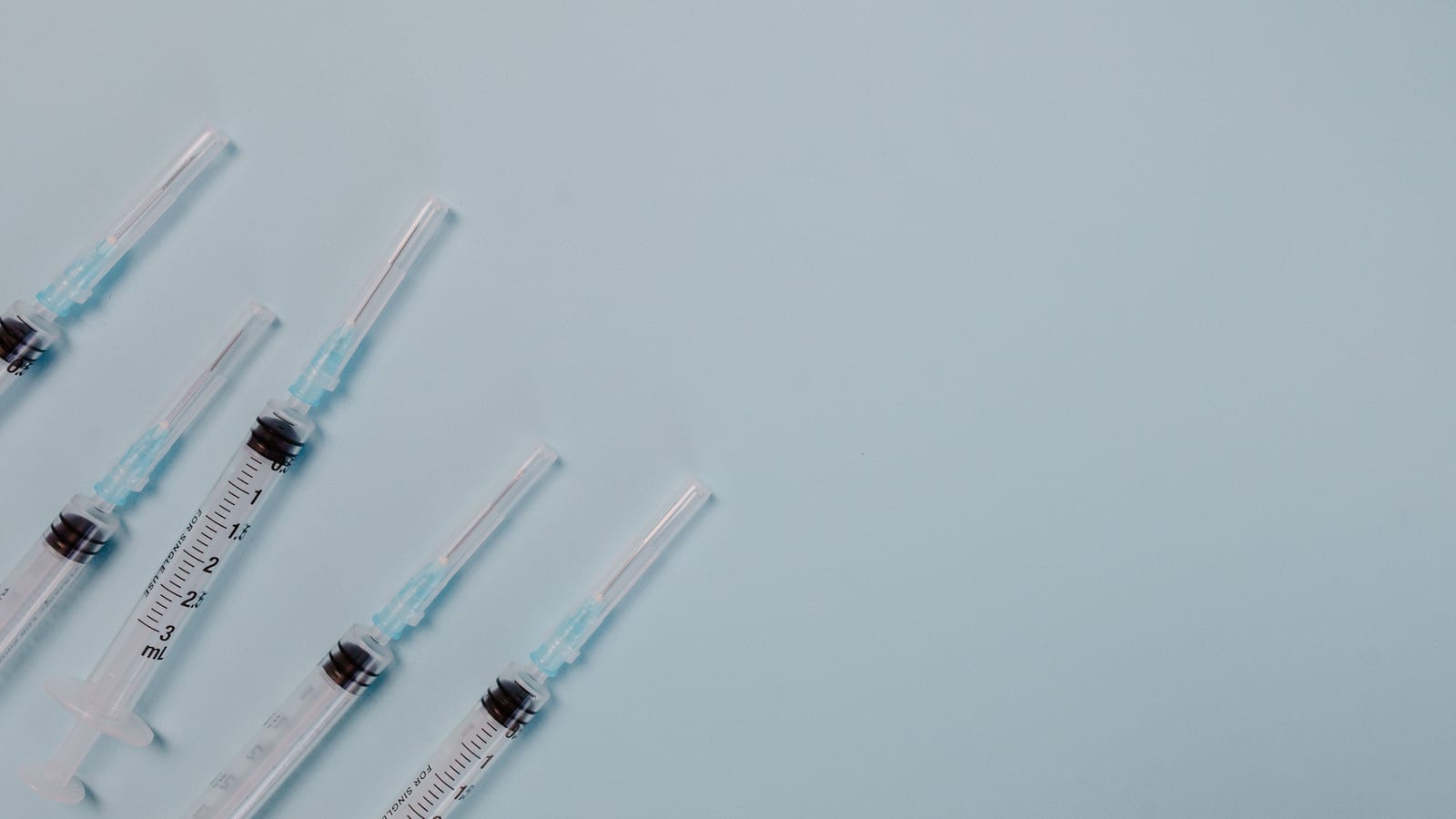
Walk into any medical weight-loss conversation in 2026 and the question is no longer “should I try medication” but “which medication.” A decade ago, phentermine was effectively the only injectable or oral option in a typical clinic. Today the menu includes GLP-1 receptor agonists (semaglutide, tirzepatide), B12 and lipotropic injections, phentermine in oral and injectable forms, and combination protocols that mix several of them at different points in a program.
The risk in this richer landscape is matching the wrong tool to the patient. Each of these works through a different biological pathway, has different evidence behind it, costs different amounts, and fits different patients best. A clinic that prescribes the same first-line medication for every weight-loss patient is not running a medical program; it’s running a single product.
This guide compares the major injectable and oral options used in medical weight loss in 2026, what the evidence shows for each, how candidacy is decided, and what a real program structure looks like. For deeper reading on the GLP-1 family specifically, see our GLP-1 weight loss guide; for the head-to-head between the two oldest workhorses, see phentermine vs GLP-1.
The short version: Medical weight-loss injections fall into four families. GLP-1 receptor agonists (semaglutide, tirzepatide) reduce appetite and slow gastric emptying through gut-hormone receptors and produce the largest average weight loss in trials. Phentermine is a short-term sympathomimetic appetite suppressant useful for fast starts. B12 injections support energy and may help adherence in deficient patients but are not weight-loss drugs themselves. Lipotropic (“MIC”) injections combine methionine, inositol, and choline with B12 to support fat metabolism, a useful adjunct, not a stand-alone treatment. The right choice depends on BMI, comorbidities, history, cost, and what kind of program structure you want.
What’s in this guide
- Overview: the four injection families
- GLP-1 receptor agonists
- Phentermine
- B12 injections
- Lipotropic (MIC) injections
- Side-by-side comparison
- What a structured program looks like
- Candidacy, who fits which medication
- Cost in 2026
- How to choose a clinic
- FAQ
Overview: the four injection families
Most medical weight-loss programs in 2026 work with some combination of:
- GLP-1 receptor agonists. Branded: Wegovy (semaglutide), Zepbound (tirzepatide), Saxenda (liraglutide). Off-label: Ozempic, Mounjaro. Compounded: semaglutide and tirzepatide from licensed compounding pharmacies.
- Phentermine. Oral most often (Adipex-P), occasionally injectable. A sympathomimetic appetite suppressant; one of the oldest FDA-approved weight-loss drugs.
- B12 injections. Cyanocobalamin or methylcobalamin. Useful for B12 deficiency (more common than people realize) and as an energy adjunct in weight-loss programs.
- Lipotropic blends (“MIC” injections). Methionine, inositol, choline, sometimes plus B-complex and L-carnitine. Compounded; supports lipid metabolism.
These are not directly competing products. They sit at different points in a program and answer different questions. A patient with a BMI of 35 and prediabetes is a very different conversation from a patient with a BMI of 28 who needs to break a 6-month plateau.
GLP-1 receptor agonists
GLP-1s are the most active research and clinical category in obesity medicine. They mimic glucagon-like peptide-1, a gut hormone released after eating. The receptors are in the pancreas, the brain, and along the GI tract. Activating them lowers post-meal blood sugar, slows gastric emptying (you feel full faster and longer), and reduces the brain’s reward response to food.
Semaglutide (Wegovy / Ozempic)
Semaglutide is the GLP-1 with the longest weight-management data. The STEP-1 trial, randomized, double-blind, placebo-controlled, 1,961 adults with obesity, showed a 14.9% mean reduction in body weight at 68 weeks (Wilding et al., NEJM 2021). Wegovy is the FDA-approved branded product for chronic weight management; Ozempic is the same molecule approved for type 2 diabetes (off-label use for weight loss is common).
Tirzepatide (Zepbound / Mounjaro)
Tirzepatide is a dual agonist of GLP-1 and GIP (glucose-dependent insulinotropic polypeptide). The dual action appears to produce greater weight loss than GLP-1 alone. The SURMOUNT-1 trial, 2,539 adults with obesity, no diabetes, showed mean weight loss of approximately 20.9% at 72 weeks at the highest dose (Jastreboff et al., NEJM 2022). Zepbound is the FDA-approved branded product for weight management; Mounjaro is the same molecule for type 2 diabetes.
Side effects, monitoring, supply
The dose-limiting side effects are gastrointestinal, nausea, occasional vomiting, constipation, reflux. They are most prominent during dose escalation and tend to soften as the body adapts. Slow titration helps. Rare but serious considerations include pancreatitis, gallbladder issues, and a contraindication in patients with personal or family history of medullary thyroid carcinoma or MEN2 syndrome (the boxed warning is based on rodent C-cell tumor data; relevance to humans remains debated, but the warning is taken seriously).
Through 2025 the major manufacturers had FDA shortage designations on several products, which permitted compounding pharmacies to prepare semaglutide and tirzepatide for individual prescriptions. The FDA officially declared the semaglutide shortage resolved in early 2025, with timelines for tirzepatide following. As of 2026, compounded versions still exist for legitimate clinical reasons (allergies to inactive ingredients, custom dosing) but the regulatory environment has tightened significantly. Reputable clinics work with U.S.-licensed 503A or 503B pharmacies and document the medical justification for compounded use.
Phentermine
Phentermine has been FDA-approved for weight management since 1959. It is a sympathomimetic amine related to amphetamine but with a different effect profile. It works by triggering norepinephrine release in the hypothalamus, which suppresses appetite. It is one of the cheapest, fastest-acting weight-loss medications available.
The label is short-term, up to 12 weeks. In practice, many providers continue selected patients longer with monitoring; the literature on extended use is more nuanced than the label, and the original 12-week limit was set decades ago when long-term obesity care was framed differently. Current obesity-medicine guidelines support longer use in selected, monitored patients.
What it does well: jump-start. A patient stalled by appetite drive who needs early momentum often benefits from phentermine as the first 8–12 weeks, sometimes layered with B12. What it doesn’t do: produce the magnitude of weight loss that GLP-1s do, and it doesn’t have GLP-1’s metabolic benefits. Side effects to watch: increased heart rate, blood pressure, dry mouth, insomnia, irritability. Contraindicated in uncontrolled hypertension, significant cardiovascular disease, hyperthyroidism, glaucoma, and history of substance use disorder.
For the head-to-head choice, see phentermine vs GLP-1: a fast start or a long-term plan.
B12 injections
B12 (cobalamin) is a water-soluble vitamin essential for red blood cell formation, neurologic function, and DNA synthesis. Deficiency is more common than the average patient realizes, vegetarians, older adults, patients on metformin or proton-pump inhibitors, and patients with malabsorption are all at risk.
B12 injections are not weight-loss drugs in any direct sense. The honest case for them in a weight-loss program is twofold:
- Correcting deficiency that was masking baseline fatigue. A patient who feels less tired exercises more. That is real, but it is correcting a deficiency, not a metabolic intervention.
- Subjective energy boost during caloric restriction. Many patients report this; the mechanism is debated, the experience is reproducible.
For more on the role and dosing, see our B12 injections page. We use B12 selectively, often at the start of a program when fatigue would otherwise cap activity tolerance.
Lipotropic (MIC) injections
“Lipotropic” or “MIC” injections combine methionine, inositol, and choline, three nutrients involved in lipid transport and fat metabolism. Common formulations also include B12, B-complex, and sometimes L-carnitine.
The mechanistic case is real: choline supports phosphatidylcholine production, which is required for lipid export from the liver; methionine is a methyl donor; inositol participates in fat-cell signaling. The clinical-trial case is much weaker. There are not large randomized trials showing that lipotropic injections produce weight loss on their own. Practitioners who use them describe them as adjuncts, small additive support during the work the patient is already doing through nutrition and exercise.
We are honest with patients: lipotropic injections are not a substitute for a primary weight-loss medication when one is indicated, and they are not a magic solution. They are a reasonable, low-risk adjunct that some patients find useful and some don’t.
Side-by-side comparison
| Option | Mechanism | Avg loss in trials | Use case | Time horizon |
|---|---|---|---|---|
| Semaglutide (Wegovy) | GLP-1 receptor agonist | ~15% at 68 weeks | BMI ≥30 or 27 with comorbidity | Long-term |
| Tirzepatide (Zepbound) | GLP-1 + GIP dual agonist | ~21% at 72 weeks | Same as above; more potent | Long-term |
| Phentermine | Sympathomimetic appetite suppressant | ~5–10% short-term | Jump-start, BMI ≥30 (or 27 + comorbidity) | Short-term, sometimes extended |
| B12 injections | Vitamin replacement | Not a weight-loss agent on its own | Energy support, deficiency correction | Adjunct |
| Lipotropic (MIC) | Lipid metabolism support | Not a weight-loss agent on its own | Adjunct during diet and exercise | Adjunct |
What a structured program looks like
The medication is the smallest part of a real medical-weight-loss program. The structure around it is what produces durable results. A typical sequence at OC Weight Loss and Medspa:
- Initial visit. Full medical history, medications, prior weight-loss attempts, sleep, mental health, eating pattern, exercise capacity. Vital signs, weight, body composition, baseline labs (CBC, CMP, lipid panel, A1C, TSH, vitamin D, B12 if symptomatic).
- Decision tree. Based on BMI, comorbidities, history, cost, and patient preference, we choose a primary medication or combination. We discuss expected benefit, expected side effects, and what we are watching.
- Initiation and titration. Slow ramp on GLP-1s (typically dose-up every 4 weeks). Phentermine starts immediately. B12 or lipotropic added if relevant.
- Follow-up. 2–4 week initial check-ins for tolerability and adherence, then monthly. Lab recheck at 8–12 weeks. Body composition tracked.
- Plateau management. Plateaus are normal. We adjust dose, layer adjuncts, look at sleep and stress, and sometimes add or switch medications.
- Maintenance. Once goal weight is reached and stable, we discuss long-term plan: continued GLP-1 at maintenance dose, transition off with structured nutrition support, or other strategy depending on the patient.
For the medspa-vs-physician-program distinction (it matters), see medical weight loss vs medspa.
Candidacy, who fits which medication
Standard FDA-approved indications for chronic weight management with GLP-1s:
- BMI ≥ 30, or
- BMI ≥ 27 with at least one weight-related comorbidity (hypertension, type 2 diabetes, dyslipidemia, sleep apnea, etc.)
Phentermine has similar BMI thresholds but is contraindicated in cardiovascular disease, uncontrolled hypertension, hyperthyroidism, glaucoma, and history of substance abuse.
Patients with BMI in the 25–27 range without comorbidity generally do not qualify for GLP-1s under FDA labeling. Many such patients are seeking weight loss for cosmetic or quality-of-life reasons; we will sometimes use shorter-term tools (phentermine, structured nutrition, body-contouring discussion if applicable) but we do not push GLP-1s outside their indication.
Why medication alone isn’t the program
The biggest mistake patients make in 2026 is treating GLP-1s as the entire intervention. The medication does extraordinary work on appetite and metabolism, but it does not, on its own, build the eating pattern, sleep schedule, exercise habit, or stress-management base that durable weight maintenance requires. Patients who reach goal weight on a GLP-1 and then stop without those foundations in place tend to regain.
What we work on alongside the medication:
- Protein intake. The single most important nutrition lever during GLP-1 weight loss. Lean-mass preservation depends on adequate protein (often 1.2–1.6 g/kg of goal body weight per day), and most patients on GLP-1s under-eat protein because their appetite is so suppressed.
- Resistance training. Muscle is the metabolic engine that determines maintenance later. Two to three resistance-training sessions per week through the active weight-loss phase is non-negotiable for patients who want to keep results without staying on medication forever.
- Sleep. Inadequate sleep blunts weight loss and worsens hunger hormones independent of any medication. We screen for sleep apnea in any patient with neck circumference or symptoms suggesting it.
- Stress and emotional eating. GLP-1s reduce reward-driven eating but do not eliminate it. Patients with significant emotional eating patterns benefit from layered behavioral support, not just medication.
- Alcohol. Even moderate alcohol stalls progress for many patients on GLP-1s and adds calories without satiety. Honest conversations about alcohol use are part of the program.
Patients who do this work alongside the medication routinely outperform their trial-average expected loss. Patients who treat the injection as a stand-alone solution often end up with a complicated transition off the medication later.
Cost in 2026
Orange County 2026 ranges:
- Wegovy (branded semaglutide): retail roughly $1,300–$1,500/month; insurance coverage variable
- Zepbound (branded tirzepatide): retail roughly $1,000–$1,300/month; manufacturer savings programs available for eligible patients
- Compounded semaglutide / tirzepatide (when medically justified through a licensed pharmacy): roughly $300–$600/month depending on dose
- Phentermine: $30–$80/month for the medication; clinic visit costs separate
- B12 injection: $25–$50 per injection; package pricing common
- Lipotropic (MIC) injection: $30–$75 per injection; weekly dosing typical
- Initial program visit and labs: $200–$500
- Monthly follow-up: typically $50–$150 depending on package structure
How to choose a clinic
The medical-weight-loss field expanded fast in 2024–2025, and not every new entrant has the structure to support real care. Useful filters when evaluating a clinic:
- Is there a physician overseeing prescriptions? The answer should be yes, and you should be able to learn who.
- Do they run baseline labs and rechecks? Programs that prescribe GLP-1s without baseline metabolic labs and follow-up labs are providing a product, not care.
- Do they discuss multiple medication options or sell only one? A clinic that only does compounded GLP-1, with no discussion of branded options or non-GLP-1 alternatives, is probably running a single product.
- What is the follow-up structure? Real programs include in-person or telehealth follow-up at predictable intervals.
- What is the policy if you have side effects? Real clinics adjust dose, switch medication, or pause therapy. Programs that just push you through escalation regardless of tolerability are missing the point.
- Is the compounding pharmacy U.S.-licensed? If the clinic uses compounded products, the pharmacy should be a 503A or 503B pharmacy with a verifiable U.S. license.
FAQ
Which is better: semaglutide or tirzepatide?
Tirzepatide produces greater average weight loss in clinical trials (~21% vs ~15% at the studied durations and doses). Semaglutide has more years of real-world use behind it. The right choice for an individual depends on cost, insurance, side-effect profile, and prior response. Many patients do well on either; some who plateau on semaglutide respond again when switched to tirzepatide.
Are compounded GLP-1s the same as branded?
The active molecule should be identical when sourced from a licensed compounding pharmacy. Differences include excipients (inactive ingredients), concentration, and packaging. After the FDA shortages resolved, the regulatory case for compounding tightened. Reputable clinics use compounded products only when there is a documented medical need.
Will B12 injections help me lose weight?
Not directly. B12 supports energy, nervous-system function, and red-cell production. Patients who are deficient often feel meaningfully better when corrected. B12 is not a primary weight-loss tool; it is a useful adjunct in selected patients.
How long do I stay on a GLP-1?
Obesity is now framed as a chronic condition, similar to hypertension. Many patients stay on a maintenance dose long-term to maintain results. Stopping abruptly often leads to regain because the underlying physiology hasn’t changed. The long-term plan is patient-specific and reviewed honestly at goal weight.
Is phentermine safe for the heart?
In appropriately screened patients without significant cardiovascular disease, phentermine has a long safety record at FDA-approved doses. It does increase heart rate and blood pressure modestly, which is why blood pressure is monitored at every visit. Patients with uncontrolled hypertension, coronary disease, or arrhythmia history are not candidates.
Can I do GLP-1 and phentermine together?
Some clinicians use this combination for plateau-breaking or jump-start. Side effects (especially cardiovascular and appetite-suppression overlap) require careful monitoring. It is not a default first-line approach but is reasonable in selected patients with the right oversight.
Are these medications covered by insurance?
Coverage varies. Type-2-diabetes indications (Ozempic, Mounjaro, when prescribed for diabetes) are generally covered; chronic-weight-management indications (Wegovy, Zepbound) are increasingly covered but with prior-authorization requirements. Manufacturer savings programs are available for eligible commercially insured patients. Phentermine is inexpensive and rarely requires coverage.
Talk to a clinician at OC Weight Loss and Medspa
If you are weighing GLP-1, phentermine, B12, or lipotropic options, or you are already on something and the program structure you have isn’t working, the most useful step is a real intake visit with a clinician. Learn more about our medical weight loss program.
Book a free consultation
Related treatments at our Mission Viejo clinic
Not sure which treatment fits? These are the related services our clinicians most often discuss at a consultation.
- GLP-1 Weight Loss Orange County, Explore GLP1 for Weight Loss in Orange County.
- Semaglutide Injections in Orange County, CA, Medically supervised Semaglutide weight loss injections in Mission Viejo, serving Orange County.
- Medical Weight Loss Orange County, Clinician-supervised medical weight loss in Mission Viejo, CA.
References
- Once-Weekly Semaglutide in Adults with Overweight or Obesity — N Engl J Med 2021, via PubMed
- AGA Clinical Practice Guideline on Pharmacological Interventions for Adults With Obesity — Gastroenterology 2022, via PubMed