Ipamorelin
A peptide that asks your pituitary to release its own growth hormone, rather than supplying it from outside. Sleep is what most people notice first, and it is also the most honest thing to measure it by.
Medically reviewed by Lindsay Short, NP-BC, Board-Certified Nurse Practitioner · last reviewed September 2026
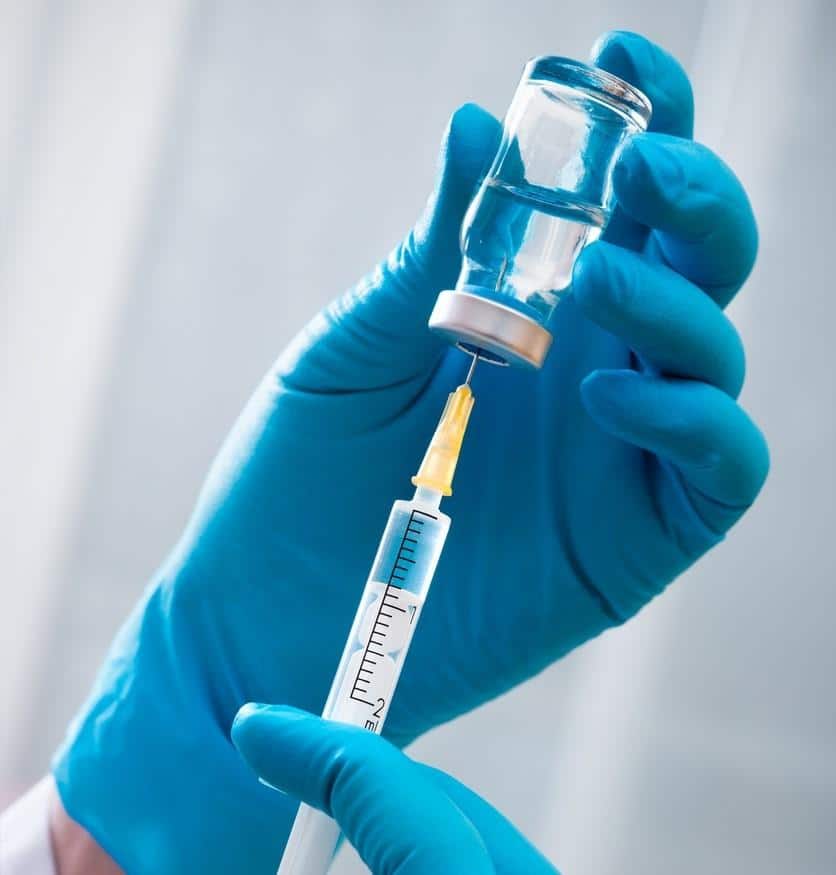
Releasing your own, not supplying someone else’s
The distinction that matters most, and the one most often blurred when peptides are sold alongside growth hormone as though they were versions of the same thing.
- Injected HGH
- Supplies the hormone directly, at a chosen level
- Ipamorelin
- Prompts your pituitary to release its own
- Why that matters
- The pulse follows your rhythm and shuts off on its own
- The trade
- The ceiling is whatever your pituitary can produce
That ceiling is a genuine limitation as well as a safety feature. If your pituitary function is poor, this cannot compensate for it, and expecting the results people associate with growth hormone is expecting the wrong thing from a different mechanism.
Ipamorelin or sermorelin
The actual choice within this family, and it comes down to selectivity rather than strength.
| Ipamorelin | Sermorelin | |
|---|---|---|
| Acts on | The ghrelin receptor | The GHRH receptor |
| Effect on cortisol | Minimal | Minimal |
| Effect on appetite | Little, unlike older peptides in its class | Little |
| Typical use | First choice for most people | An alternative, or combined |
Older peptides acting at the same receptor as ipamorelin also raised cortisol, prolactin and appetite noticeably. Ipamorelin is used because it largely does not, and that selectivity is the whole reason it displaced them.
Taking it so it works
At night, before bed
Growth hormone releases in pulses during deep sleep. The timing works with that rhythm rather than against it, which is why a morning injection is a wasted one.
On an empty stomach
Roughly two hours after eating. Food, and carbohydrate in particular, blunts the release. This is the instruction people most often ignore and it materially affects the result.
Subcutaneous, and rotate
Into the fat layer of the abdomen or outer thigh, moving a few centimeters each time so the tissue does not harden over weeks.
Judge it at eight weeks
Sleep is the measure, because it is the thing you can assess without a test and the thing that changes first. If nothing has shifted, we stop.
The regulatory position, and who should not take it
Ipamorelin is not FDA-approved. It is prescribed and compounded, the human evidence base is thinner than for an approved medication, and that is part of what you are deciding. We would rather you knew that at the consultation than found it later.
It is not appropriate with an active cancer diagnosis or a history of one. Growth hormone signaling and cell proliferation are linked, and that caution is real rather than precautionary boilerplate. Not appropriate in pregnancy. If you have diabetes it needs a conversation first, because growth hormone affects insulin sensitivity.
And the rule that applies across everything in this category: one protocol at a time. If you start this alongside two other peptides and feel better, you have learned nothing about which one did it and you are paying for three. The peptide therapy page explains why we work that way.
Book your free consultationAnswers before you book
What does ipamorelin do?
It prompts your pituitary to release your own growth hormone in a pulse, rather than supplying growth hormone from outside. That distinction matters: the release follows your body's own rhythm and shuts off on its own, which is why it does not carry the same concerns as injected growth hormone.
Is it the same as taking growth hormone?
No, and anyone conflating the two is misleading you. Injected HGH replaces the hormone directly at a level your body did not choose. Ipamorelin asks the pituitary to release its own, so the ceiling is whatever your pituitary can produce. That is a meaningful safety difference and also a meaningful limit on what it can achieve.
How is it different from sermorelin?
They work at different receptors to reach the same result. Sermorelin mimics the hormone that tells the pituitary to release growth hormone; ipamorelin acts on the ghrelin receptor instead. The practical difference is selectivity: ipamorelin has little effect on cortisol, prolactin or appetite, which older peptides in this family did not manage. That is why it is generally the first choice.
What do people actually notice?
Sleep quality, first and most consistently, usually within the first two to four weeks. Recovery between training sessions comes next. Body composition changes are slower and are the hardest to attribute, because anyone doing this is usually also training and eating differently.
When is it injected?
At night, before bed, on an empty stomach. Growth hormone is released in pulses during deep sleep, and the point is to work with that rhythm rather than against it. Food, particularly carbohydrate, blunts the release, which is why the empty stomach is not a detail.
How long before I judge it?
Eight weeks. If sleep has not changed at all by then, that is information and the right response is to stop and reconsider rather than continue on hope. We set that review date at the start.
Is it FDA approved?
No. Ipamorelin is not an FDA-approved medication, and we will say so before you start rather than in a footnote. It is prescribed and compounded, the evidence base is thinner than for approved drugs, and that is part of the decision you are making.
Who should not take it?
Anyone with an active cancer diagnosis or a history of one should not, because growth hormone signaling and cell proliferation are linked and the caution is real rather than theoretical. It is also not appropriate in pregnancy. Diabetes needs a conversation first, since growth hormone affects insulin sensitivity.
One protocol, one question, eight weeks
A free consultation covers whether this addresses what is actually bothering you, and sets the date we will judge it on. If nothing has changed by then we stop, rather than adding a second peptide to explain the first.