TL;DR: A PRP “vampire facial” combines microneedling with platelet-rich plasma drawn from your own blood. The needles create thousands of micro-channels in the skin; the PRP is applied on top and intradermally so growth factors get delivered where collagen lives. Most patients do three sessions, four to six weeks apart, and notice a glow at one week with the real collagen change building over three to six months. Plan on three to five days of redness and light peeling. Per-session pricing in Orange County typically runs $650-$1,200. Not the same procedure as a “vampire facelift,” which uses PRP plus injectable filler.
The “vampire facial” name came from a celebrity Instagram post a decade ago and stuck. The actual procedure is mundane and well-understood: microneedling plus autologous platelet-rich plasma. It treats the same texture and tone concerns as standard microneedling, with growth factors layered in for a stronger collagen response.
This guide covers the protocol, what it actually treats, what the evidence says, the realistic timeline, downtime, costs, and how it differs from the procedure people sometimes confuse it with. If you want broader context on platelet-rich plasma, our PRP therapy guide covers hair and skin applications together.
What a PRP vampire facial is
Two procedures performed back-to-back in one appointment.
- Microneedling. A device with fine needles (typically 0.5-2.5 mm depth) creates controlled micro-injuries across the treatment area. The body responds by laying down new collagen and elastin during the 6-12 weeks that follow.
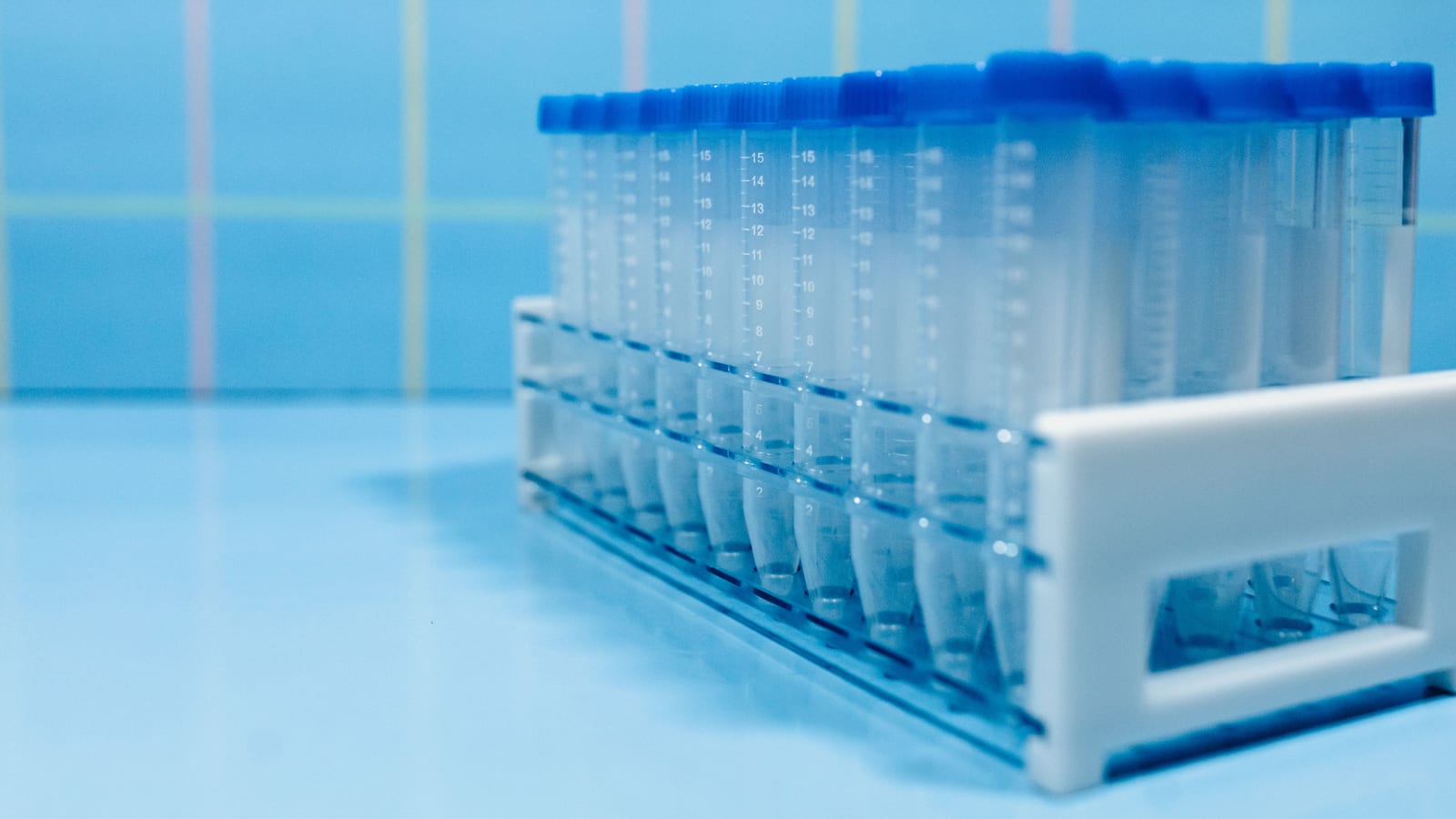
- Platelet-rich plasma. Blood is drawn from the patient’s arm, usually 10-30 mL. It is spun in a centrifuge to separate the plasma fraction with the highest platelet concentration. Platelets release growth factors (PDGF, VEGF, TGF-β, IGF-1, EGF) that signal local wound healing and matrix synthesis.
The PRP is applied two ways in the same session. Most clinicians spread it topically across the freshly micro-channeled skin so the liquid drains in through the open channels. Some also inject small intradermal aliquots into areas with deeper concerns, fine lines around the eyes, marionette lines, acne scars. The combination is the “vampire facial.”
What it actually treats
- Skin texture and surface roughness
- Fine lines (forehead, crow’s feet, perioral)
- Dullness and uneven tone
- Mild atrophic acne scarring (rolling, boxcar)
- Enlarged pores
- Early photoaging
- Mild post-inflammatory hyperpigmentation in lighter skin types
What it will not do: lift sagging skin, replace volume loss in the cheeks or temples, erase deep static lines, or treat ice-pick scars. For volume loss, biostimulators like Sculptra are the correct tool. For deeper lines and sagging, energy-based skin tightening or surgical options apply.
What the evidence shows
The honest summary: PRP plus microneedling produces a modest improvement over microneedling alone in most published comparisons, with effect sizes that are clinically visible but not dramatic. Several randomized split-face studies and meta-analyses have evaluated atrophic acne scarring and photoaging, the side treated with PRP tends to show statistically greater improvement in pigmentation, texture, and patient-rated satisfaction than the side treated with microneedling and saline.
The clinical interpretation: adding PRP makes microneedling work somewhat better, particularly for tone and post-inflammatory pigment. It does not turn a non-responder into a responder. If your skin would not improve from microneedling, PRP on top will not rescue it.
Quality varies across studies. PRP preparation is not standardized, platelet concentrations and leukocyte content vary between centrifuge protocols. Some authors believe higher platelet concentrations matter; others find diminishing returns past a threshold. The current state of the evidence supports the combination as safe and modestly more effective than microneedling alone, while acknowledging the magnitude of benefit is variable.
Who is a good candidate
Most healthy adults with the concerns listed above are candidates. The screening conversation covers:
- Pregnancy and breastfeeding. Defer until after.
- Active acne or skin infections in the treatment area. Treat the active disease first.
- History of keloid scarring. Caution; discuss alternatives.
- Bleeding disorders or anticoagulation. Case-by-case; may need a hold protocol from the prescribing physician.
- Active HSV (cold sores). Prophylactic antivirals around facial procedures if you have a history of outbreaks.
- Recent Accutane. Most clinicians wait 6 months from the last dose.
- Realistic expectations. If you are looking for a one-session transformation, this is not it.
The session: start to finish
Plan on 75-90 minutes from check-in to walking out. The active steps:
- Cleanse and topical numbing. A compounded lidocaine cream sits on the face for 25-30 minutes. The area is wiped clean.
- Blood draw. 10-30 mL from the arm, like a routine lab draw.
- Centrifuge. Spun for 8-15 minutes depending on the kit. The PRP fraction is drawn off into a syringe.
- Microneedling pass. Depth set to the area, typically 0.5 mm under the eyes, 1.5-2.0 mm on cheeks and forehead. Two to three passes per zone.
- PRP application. Topical drizzle across the freshly micro-channeled skin, with optional intradermal injection in target zones.
- Calming serum and SPF. No makeup, no exercise, no sweating for 24 hours.
Downtime and aftercare
- Day 0: Skin looks pink to red, similar to a moderate sunburn. Mild swelling possible. No makeup. No washing the face for 6-8 hours so the PRP can finish absorbing.
- Day 1: Redness fades but is still visible. Tight, slightly itchy feeling is normal.
- Day 2-3: Skin starts to feel dry and rough, the surface layer is preparing to slough. This is the point at which mineral SPF and a gentle, fragrance-free moisturizer become essential.
- Day 3-4: Light flaking and peeling, particularly around the nose, mouth, and forehead. Do not pick or exfoliate.
- Day 5: Most patients are camera-ready. Some lingering pink in fair skin types.
- Week 1-2: The “glow” phase. Surface texture is smoother, skin reflects light better.
- Month 1-3: Collagen remodeling underway, ongoing improvement in fine lines and texture.
- Month 3-6: Peak collagen result from a single session.
Aftercare boils down to four things: gentle cleanser, fragrance-free moisturizer, strict sun avoidance, and mineral SPF 30+ every morning for at least two weeks. No retinoids, acids, or vitamin C serums for 5-7 days. Sleep on your back the first night if possible.
How many sessions and how often
Three sessions spaced four to six weeks apart is the standard protocol. Some patients with significant acne scarring extend to four to six sessions. Maintenance once or twice a year holds the result.
Spacing matters. The collagen response from one session continues for 6-8 weeks, so re-stimulating at the four-week mark stacks the effect. Going more often than every four weeks does not accelerate results and can increase irritation.
Cost
Pricing in Orange County typically runs:
- Single PRP + microneedling session: $650-$1,200
- Three-session package: $1,800-$3,000 (discount of 10-20% vs single)
- Add-on injectable PRP boost in targeted areas: $150-$400
Price variance reflects clinician training, PRP preparation kit cost, geographic location, and whether topical numbing and aftercare products are included. Lowest-price options frequently use lower-cost PRP kits with lower platelet concentrations, ask what platelet multiplier the kit delivers.
Vampire facial vs vampire facelift
These are different procedures despite the similar names.
If you have volume loss in the cheeks or temples, a facelift-style approach addresses what a facial cannot. If your concern is skin quality, the facial is the appropriate choice. Both can be part of the same long-term plan.
Side effects and risks
Because PRP is autologous (your own blood), allergic reaction risk is essentially zero. The risks are procedural:
- Redness, swelling, mild bruising, expected, resolves in days
- Skin infection, rare, related to sterile technique. Choose a licensed medical setting, not a non-medical “spa”
- Post-inflammatory hyperpigmentation in darker skin types, manageable with appropriate depth selection and aftercare
- Reactivation of HSV, use prophylaxis if indicated
- Granuloma formation, rare
The FDA-flagged HIV cases tied to vampire facials in the late 2010s came from non-medical spas reusing equipment. In a properly run medical setting using single-use sterile needles and a closed-system PRP kit, that risk does not exist.
FAQ
Does it hurt?
With topical numbing applied for 25-30 minutes, the microneedling feels like sandpaper or vibration across the face. Most patients rate it 3-4 out of 10. The forehead and along the jawline are typically the most sensitive areas. The PRP application does not hurt.
How is this different from regular microneedling?
Same needles, same depth, same collagen response. The difference is what gets applied to the open channels, saline or hyaluronic serum in standard microneedling, autologous PRP in the vampire version. PRP brings growth factors that drive a stronger remodeling response.
Can I do it before an event?
Plan at least 7-10 days for redness to resolve, and 2-3 weeks for the glow to peak. Booking a session the week of an event is not the right move. Two to three weeks out is the sweet spot.
Does it work on dark skin?
Yes, and it is one of the safer collagen-induction options in darker Fitzpatrick types because it does not deliver heat or selective pigment-targeting energy. Depth and aftercare matter to prevent post-inflammatory hyperpigmentation.
Can I combine it with Botox or filler the same day?
Most clinicians do filler or Botox at least one week before or two weeks after PRP+microneedling to avoid pushing injectable product around with the device. Discuss the sequencing with your provider rather than stacking everything in one visit.
How long do results last?
After a full three-session series, most patients hold the result for 9-18 months. Maintenance is typically one or two sessions per year. Aging continues, so the comparison is to where your skin would have been without treatment, not to a permanent baseline.
What about PRP for hair, is it the same?
Same PRP, different application. For hair restoration, the PRP is injected into the scalp where active follicles need stimulation rather than applied across skin. Our PRP hair restoration page covers that protocol.
Talk to a clinician at OC Weight Loss and Medspa
The right starting point is a skin consult, depth selection, session count, and adjacent treatments depend on the concerns you actually want addressed. Learn more about our PRP face rejuvenation service.
Book a free consultation
Related treatments at our Mission Viejo clinic
Not sure which treatment fits? These are the related services our clinicians most often discuss at a consultation.
- PRP Therapy for Hair Growth and Skin Rejuvenation, Discover PRP therapy to boost hair growth, improve skin texture, and stimulate collagen using your body’s natural healing process safely.
- Face Rejuvenation for Youthful Radiant Skin Today, Revitalize your look with face rejuvenation treatments.
- Peptide Therapy in Orange County, Clinician-supervised peptide therapy in Mission Viejo: Ipamorelin, NAD+, GLOW Blend, BPC-157.
References
- Effect of Platelet-Rich Plasma Injection for Rejuvenation of Photoaged Facial Skin: A Randomized Clinical Trial — JAMA Dermatol 2018, via PubMed
- Systematic Review of Platelet-Rich Plasma and Platelet-Rich Fibrin in Facial Rejuvenation — Ann Plast Surg 2025, via PubMed
- A systematic review of the safety and effectiveness of platelet-rich plasma (PRP) for skin aging — Arch Dermatol Res 2020, via PubMed
- Evaluating the Efficacy of Combined Platelet-Rich Plasma and Microneedling for Aesthetic Rejuvenation of the Periorbital Area: A Randomized, Blinded Cohort Study — J Cosmet Dermatol 2025, via PubMed