Agnes RF for acne
Treating the oil gland itself rather than the surface it produces problems on. It is the one acne treatment here that addresses the structure causing the acne rather than managing what it does.
Medically reviewed by Lindsay Short, NP-BC, Board-Certified Nurse Practitioner · last reviewed September 2026
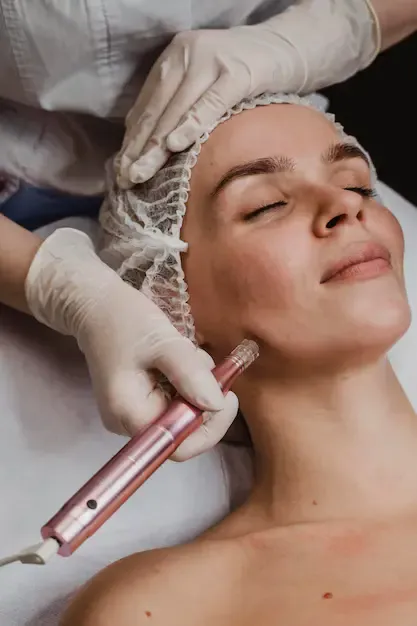
Treating the gland, not the spot

Almost every acne treatment works on the surface or on the whole body: topicals reduce oil and bacteria, antibiotics reduce inflammation, isotretinoin shrinks glands systemically. All of them manage what the gland does.
Agnes goes at the gland itself. An insulated needle is placed into an individual sebaceous gland and energy destroys it selectively, leaving the skin above intact. A gland that is gone does not produce oil, does not block, and does not become a spot.
That makes it slow, precise and permanent for the glands treated, which is a very different proposition from a course of anything topical. It also makes it suited to recurring lesions in the same places rather than to widespread acne.
Who it suits, and who it does not
- Good candidate
- Recurring lesions in the same few places
- Good candidate
- Adult acne along the jaw and chin
- Less suited
- Widespread acne across the whole face
- Not the answer
- Acne scarring, which is a separate treatment
Acne that keeps returning to the same spots is the clearest case, because those are identifiable glands that can be treated individually. Widespread active acne is usually better served medically first, and we will say so rather than treating fifty glands one at a time.
Scarring left behind by past acne is a different problem with a different answer, usually RF microneedling or resurfacing. Treating the glands does nothing for scars that already exist.
What to expect
Mapping, then numbing
The glands to be treated are identified and marked. Topical numbing first, because this goes below the surface.
Days one to three
Redness and small marks at each treated point, sometimes tiny scabs. These are pinpoint rather than widespread.
Weeks two to six
Treated areas stop producing the lesions they used to. This is the change people notice, and it is specific to where we treated.
A second pass, often
Acne rarely sits in one place only. A second session addresses glands missed or newly active, usually six to eight weeks later.
Sun protection matters afterwards. Skin that has just been treated pigments easily, and post-inflammatory marks are the thing most likely to disappoint you if it is skipped.
Book your free consultationAnswers before you book
How does Agnes RF treat acne?
By destroying individual sebaceous glands. An insulated needle is placed into the gland and radiofrequency energy destroys it selectively, leaving surrounding skin intact. A gland that is gone cannot produce oil or block again, which is why it is permanent for the glands treated.
How is that different from a topical or antibiotics?
Everything else manages what the gland does. Topicals reduce oil and bacteria at the surface, antibiotics reduce inflammation, isotretinoin shrinks glands throughout the body for as long as you take it. Agnes removes specific glands. That makes it precise and lasting where it is used, and impractical for acne across a whole face.
Who is it best for?
People with recurring lesions in the same few places, and adult acne along the jaw and chin. Those are identifiable glands that can be treated individually. Widespread active acne is usually better addressed medically first.
Will it help my acne scarring?
No. Treating the glands prevents new lesions; it does nothing to scars already there. Scarring needs RF microneedling or resurfacing, and the two are often planned in sequence, clearing the active acne before treating what earlier acne left behind.
How many sessions?
Usually two, six to eight weeks apart, because acne rarely sits in one place only and a second pass addresses glands that were missed or have become active since. Some people need a third.
What is the downtime?
Redness and pinpoint marks at each treated point for two to three days, sometimes with tiny scabs. It is far less disruptive than resurfacing because only the treated points are affected rather than the whole surface.
Is it safe on deeper skin tones?
Radiofrequency heats tissue directly rather than being absorbed by pigment, which removes the main mechanism behind pigmentation problems after light-based treatment. That makes it one of the safer options for richer complexions, though sun protection afterwards still matters because treated skin marks easily.
Can I keep using my usual acne products?
Not for the first few days. Actives come out while the treated points heal, then return gradually. We map that against your treatment dates rather than leaving you to guess, because going back to a strong routine too early is what turns small marks into lasting ones.
Assessed before it is treated
A free consultation establishes whether this is the right target for Agnes, and whether a single session or a short course is realistic for what you have.