
Quick read: Trapezius Botox uses 100–200 units of onabotulinumtoxinA split across the upper traps to relax overworked muscle, soften the shoulder line, lengthen the appearance of the neck, and ease tension headaches and chronic neck pain. Onset is 3–7 days, full effect at about 2 weeks, and results last 4–6 months, longer than facial Botox because the dose per muscle is higher. Good candidates have visibly hypertrophied or chronically tight upper trapezius muscles from posture, stress, or training. Side effects are usually mild soreness; over-treatment can briefly reduce shoulder shrug strength.
What is trapezius Botox?
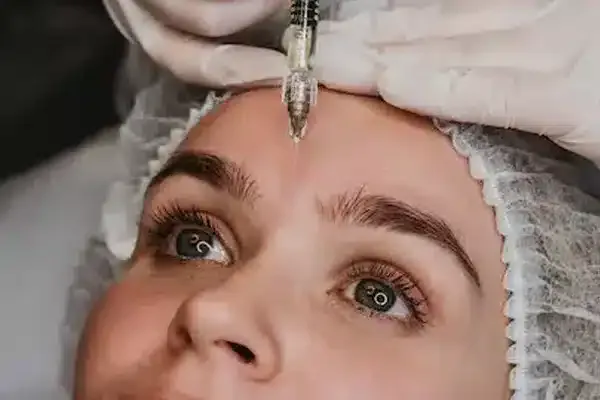
Trapezius Botox is the off-label use of botulinum toxin type A, the same medication used for forehead lines, injected into the upper portion of the trapezius muscle. The trap is the large, kite-shaped muscle that runs from the base of the skull down across the upper back and out to the shoulders. When that upper portion is overdeveloped or chronically clenched, it pulls the shoulders up, shortens the apparent length of the neck, and produces the “rocky” shoulder silhouette many patients try to soften.
The treatment goes by several names, trap-tox, shoulder Botox, “Barbie Botox,” or, in the chronic-pain world, trapezius chemodenervation. The medication temporarily blocks the nerve signal that tells the muscle to contract. The muscle relaxes, eventually thins from disuse, and the cosmetic and functional effects appear together. For an overview of the broader category, see our guide to neurotoxins.
How does trapezius Botox work?
Botulinum toxin type A binds to the nerve endings at the neuromuscular junction and blocks the release of acetylcholine, the chemical that tells muscle fibers to contract. The muscle does not get paralyzed in the cartoon sense; it simply loses the signal to fire as hard. Over the next 3–14 days, the treated trapezius progressively softens.
Two effects then happen in parallel. First, the visible bulk drops because chronically contracted muscle holds water and tension; remove the contraction and the silhouette flattens within a couple of weeks. Second, over months of repeated treatment, the muscle undergoes mild atrophy from underuse, similar to what happens to any muscle that is rested, which is why patients often need fewer units after the second or third cycle.
Why do upper traps get hypertrophied in the first place?
The trap is one of the most overworked muscles in modern life. The three most common drivers we see in clinic:
- Tech-neck posture. Hours hunched over a phone or laptop pull the head forward. The upper traps fire constantly to hold the head up against gravity.
- Stress and shallow breathing. Anxious breathing patterns recruit the upper traps as accessory respiratory muscles. People who clench their jaw at night often clench their shoulders too.
- Weight training and Olympic lifting. Heavy shrugs, deadlifts, farmer’s carries, and overhead pressing all hypertrophy the upper trap. Some patients want the strength but not the visual bulk.
Carrying heavy bags on one shoulder, sleeping on your stomach with the head turned, and unilateral sports like tennis can produce asymmetric overdevelopment that responds well to targeted dosing on the dominant side.
What are the aesthetic goals?
Most aesthetic patients ask for one or more of these outcomes:
- A longer-looking neck, relaxing the trap lets the shoulders drop, which visually adds 1–2 inches of neck length
- A sloping, feminine shoulder line instead of a hard horizontal one
- Better fit in off-the-shoulder tops, strapless dresses, and wedding gowns
- A more balanced upper body when shoulders look disproportionately wide for the frame
This is the same general philosophy behind masseter Botox for jaw slimming, using small, targeted doses to reshape a muscle without surgery.
What are the medical goals?
Trapezius Botox is widely used off-label for muscle-tension headaches, cervicogenic headaches, and chronic neck and shoulder pain that has not responded to physical therapy, postural correction, or massage. Botulinum toxin is FDA-approved for chronic migraine (the PREEMPT protocol, which includes injections in the upper trapezius among other muscles), see the FDA Botox prescribing information.
Patients with myofascial pain syndrome of the upper trapezius have shown clinically meaningful reductions in pain after botulinum toxin injection in multiple randomized trials, see this systematic review on botulinum toxin for myofascial pain for the evidence summary. The picture is mixed but the response in well-selected patients is often substantial.
Who is a good candidate?
You are likely a candidate if:
- Your upper traps are visibly raised or you can grip them and feel constant rope-like tension
- You get tension headaches that start at the base of the skull or across the top of the shoulders
- You want softer shoulder lines for an event or simply for your overall silhouette
- You have tried postural work, massage, or PT without lasting change
You are not a candidate if you are pregnant or breastfeeding, have a neuromuscular disorder (myasthenia gravis, Lambert-Eaton, ALS), are on aminoglycoside antibiotics, or rely heavily on heavy overhead lifting for sport or work where a temporary reduction in trap strength is unacceptable. We will not treat patients who want a dramatic visual change in one session at the cost of safety.
How is the procedure performed?
A clinician palpates the upper trap on each side, identifies the bulkiest belly of the muscle between the base of the neck and the acromion (the bony tip of the shoulder), and marks 5–8 injection points per side. The medication is delivered with a fine needle into the muscle belly, away from the deeper structures of the brachial plexus.
Each injection takes a few seconds. The full appointment runs 15–25 minutes including consent, marking, and post-care instructions. Most patients describe the sensation as a quick pinch followed by a brief deep ache. No numbing is required, though ice is offered.
What does dosing look like?
Dosing for trapezius Botox is far higher than facial dosing because the muscle is much larger. Typical ranges (onabotulinumtoxinA / Botox units, split symmetrically between left and right):
Dysport, Xeomin, and Daxxify use different unit conversions. A trained injector adjusts the math for whichever neurotoxin is chosen, we cover that in our comparison posts on Botox vs Dysport and Botox vs Daxxify.
What does the results timeline look like?
- Days 1–2: No visible change. Possible mild soreness, like after a workout.
- Days 3–7: The muscle starts to soften. Tension headaches often improve first.
- Days 10–14: Peak effect. The shoulders drop, the neck appears longer, and the aesthetic change is fully visible.
- Months 1–3: Steady state. Some patients add a small touch-up at week 4 if one side did not respond as fully.
- Months 4–6: Effect slowly wears off. Most patients re-treat at the 4–6 month mark.
Longevity tends to extend with repeat treatment because the muscle has spent months at a lower contraction load and partially atrophies. After two or three cycles, some patients stretch their interval to 7–9 months.
How much does trapezius Botox cost?
Pricing is unit-based. In Orange County, onabotulinumtoxinA typically runs $12–$18 per unit. A standard 150-unit trap treatment lands in the $1,800–$2,700 range. Pain-management dosing of 200 units is closer to $2,400–$3,600. For broader pricing context, see our Botox cost in Orange County breakdown.
Insurance does not typically cover off-label aesthetic use. Some patients with diagnosed chronic migraine pursue medical billing under the PREEMPT protocol. That requires a neurologist’s diagnosis and documented failure of two or more preventive medications.
What are the side effects and risks?
Common, usually self-limited:
- Soreness or bruising at injection sites for 1–3 days
- A mild flu-like feeling for 24–48 hours in a small subset of patients
- Temporary headache
Specific to the trap:
- Reduced shoulder-shrug strength. The goal is reduction, not paralysis. Over-dosing or poor injection placement can leave a patient unable to lift the shoulders effectively for several weeks. This is why dosing is conservative on the first cycle.
- Asymmetric response. One side may relax faster than the other. A small touch-up at week 2–4 typically corrects this.
- Compensation by other muscles. The rhomboids and levator scapulae may take over and become sore. This usually settles within a couple of weeks.
Rare but serious risks (all neurotoxins): allergic reaction, diffusion of toxin beyond the intended area, and dysphagia or breathing difficulty when injected near the neck. This is one reason trap injections are performed by trained clinicians who avoid the deeper cervical structures.
Aftercare
- Avoid heavy lifting and intense shoulder workouts for 24 hours
- Skip massage, saunas, and hot tubs for 24 hours so the medication stays where it was placed
- Stay upright for 4 hours
- Do not press, rub, or roll the treated area for 24 hours
- Return to normal exercise on day 2
Most patients return to full activity the next day. For a deeper aftercare protocol, see our Botox aftercare guide.
How does trapezius Botox compare to other options?
Frequently asked questions
Does trapezius Botox actually make your neck look longer?
Yes, not by lengthening the neck itself, but by relaxing the upper traps so the shoulders drop. The resulting silhouette typically reads as 1–2 inches more neck. Photos at week 2 vs baseline are the cleanest way to see it.
Will I still be able to lift weights?
For typical aesthetic dosing (120–150 units), most lifters report normal training within a week, with a small drop in maximal shrug capacity that resolves over the cycle. Powerlifters and Olympic lifters who rely on a powerful shrug should discuss conservative dosing or skip the treatment in competition season.
How is this different from masseter Botox?
Same medication, different muscle. Masseter Botox slims the jaw and helps TMJ pain. Trapezius Botox slims the shoulder line and helps neck pain. Some patients do both for a balanced reshape of the upper body and face, see our masseter Botox page.
How long does it last compared to face Botox?
Longer. Face Botox runs 3–4 months on average; trapezius Botox runs 4–6 months because the dose per muscle is higher and the muscle has time to partially atrophy. Our guide to Botox longevity covers the underlying biology.
Can I do this if I have a heavy workout schedule?
Yes, with conservative dosing on the first cycle. Many of our active patients start at 80–100 units, see how their training feels, and adjust upward on cycle two.
Is the treatment safe long-term?
Botulinum toxin has a long safety record across cosmetic and therapeutic use. Long-term, repeated use is generally well tolerated when delivered by a trained clinician at appropriate doses. There is no evidence that periodic trap injections cause permanent muscle damage; the muscle returns to function as the medication clears.
How soon will I see a difference?
Pain relief often comes first, around days 3–5. Visible softening of the shoulder line is usually obvious by week 2.
Talk to a clinician at OC Weight Loss and Medspa
If your traps are constantly tight, your shoulders sit higher than they should, or you want a longer-looking neckline for an event, trapezius Botox may be the right tool. We dose conservatively on the first cycle, photograph results at baseline and week 2, and adjust over time to your anatomy. Learn more on our Botox in Mission Viejo page or explore the full neurotoxins guide.
Book a free consultation
Related treatments at our Mission Viejo clinic
Not sure which treatment fits? These are the related services our clinicians most often discuss at a consultation.
- Botox Injections in Orange County CA – Quick & Convenient, Discover Botox injections to smooth fine lines, reduce wrinkles, and achieve a youthful, refreshed look with safe, non-surgical treatments.
- Dysport in Orange County – Get Results in Days, Searching for the best Dysport near me?
- Daxxify Injections Near Orange County - No Downtime, Looking for Daxxify injections near me?
References
- Efficacy and Safety of Botulinum Toxin Type A for Treatment of Glabellar Lines: A Network Meta-Analysis of Randomized Controlled Trials — Aesthetic Plast Surg 2023, via PubMed
- Efficacy and Safety of Botulinum Toxin Type A in the Treatment of Glabellar Lines: A Meta-Analysis of Randomized, Placebo-Controlled, Double-Blind Trials — Plast Reconstr Surg 2015, via PubMed
- Efficacy and safety of Botulinum toxin A for improving esthetics in facial complex: A systematic review — Braz Dent J 2021, via PubMed