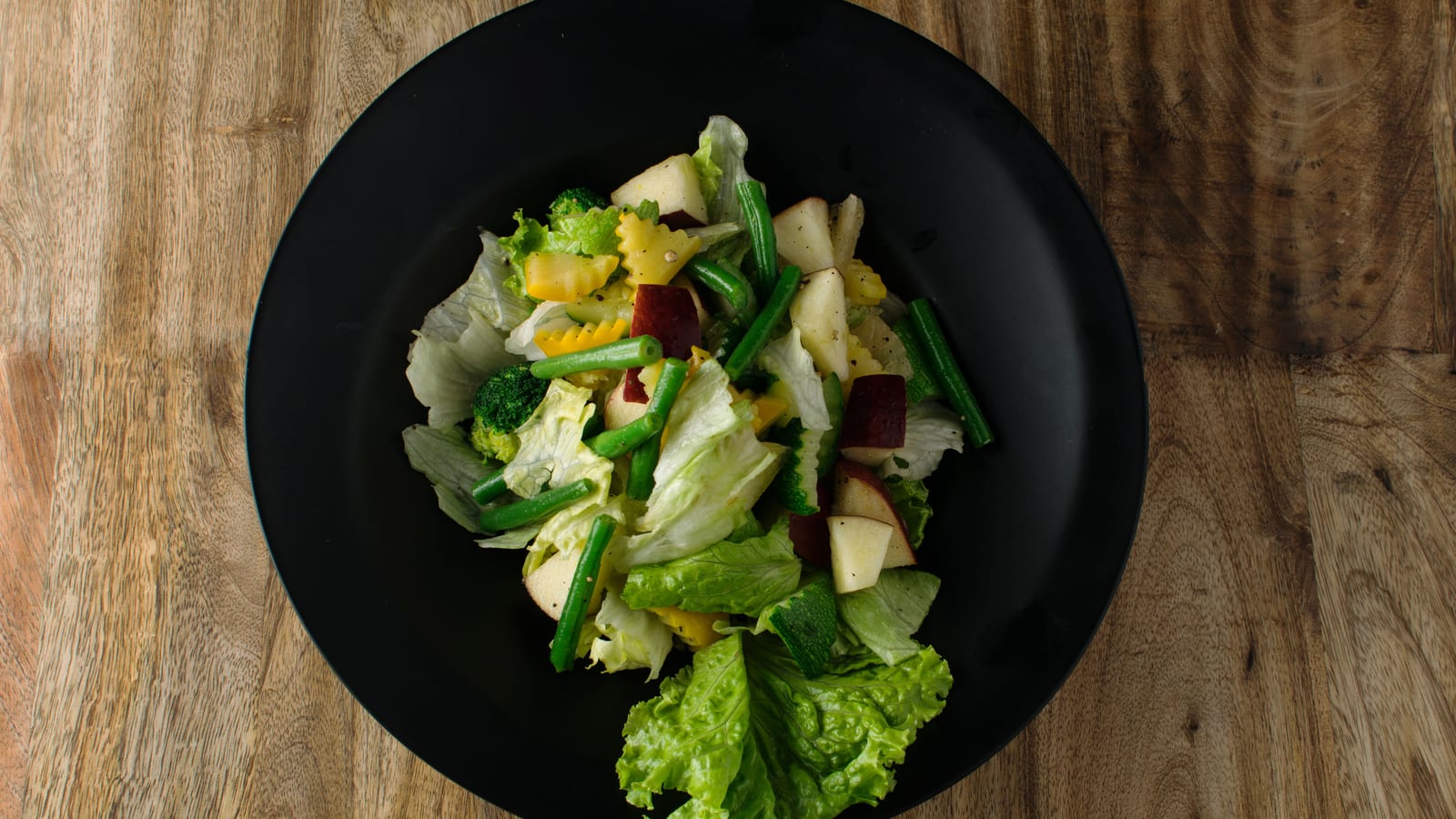
Mounjaro changes your appetite fast. Within a few weeks, many people find they can barely finish half a meal. That is the medication working, but it also creates a new problem: when you are eating less, every bite has to count.
Eat the wrong things and you risk worse nausea, low energy, and losing muscle along with fat. Eat the right things and you protect your strength, stay comfortable, and get better results from the same dose.
Here is a practical, food-first guide to eating well on tirzepatide, from protein targets to the foods most likely to make you feel rough.
Bottom line: On Mounjaro, prioritize protein at every meal (aim for roughly 30-40 g per meal), stay well hydrated (target around 3 liters of fluid daily), and add fiber gradually to fight constipation. Limit fried, greasy, and very sugary foods, which tend to worsen nausea and sulfur burps. Eating this way protects muscle, eases side effects, and supports steady fat loss.
How much protein should you eat on Mounjaro?
Protein is the single most important thing to get right. When you lose weight quickly, your body can break down muscle as well as fat, and protein is what protects against that. A common target is around 1 gram of protein per pound of your goal body weight, spread across meals at roughly 30-40 grams each.
Because your appetite is suppressed, the trick is to eat protein first, before filling up on anything else. Good options include eggs, Greek yogurt, cottage cheese, chicken, fish, lean beef, tofu, and protein shakes when whole food feels like too much.
What does a sample day of eating look like?
You do not need a rigid meal plan, just a reliable framework that front-loads protein and keeps portions small. Here is one simple example for a day, scaled to your appetite.
- Breakfast: two eggs plus Greek yogurt, or a protein shake if mornings feel queasy
- Lunch: grilled chicken or salmon with a small portion of vegetables
- Snack: cottage cheese, a cheese stick, or a handful of nuts
- Dinner: a palm-size serving of lean protein with cooked vegetables and a little whole grain
- Throughout the day: water and electrolytes between meals, not during, to leave room for food
Which foods should you avoid on Mounjaro?
Some foods reliably make GLP-1 side effects worse. Because tirzepatide slows how fast your stomach empties, heavy and greasy foods sit longer and trigger nausea. The biggest offenders are fried foods, fatty cuts of meat, rich creamy sauces, and large portions of anything.
Very sugary foods and drinks can spike, then crash, your energy and are a common trigger for the sulfur or rotten-egg burps people report. Carbonated drinks and chewing gum can add to bloating and gas. You do not have to eliminate these forever, but going easy on them, especially in the first weeks and after a dose increase, makes a real difference.
How much water should you drink?
Hydration matters more than usual on Mounjaro. The medication can blunt your thirst cues, and dehydration worsens constipation, fatigue, and headaches. Aim for roughly 3 liters of fluid a day, adjusting for your size, activity, and climate.
Sip steadily rather than gulping large amounts at once, which can crowd out food and make you feel overly full. If plain water is unappealing, unsweetened sparkling water, herbal tea, and water with a splash of citrus all count.
What about fiber and constipation?
Constipation is one of the most common Mounjaro complaints, partly because you are eating less and moving food more slowly. Fiber helps, with a target of about 25-35 grams a day from vegetables, fruit, beans, and whole grains. Add it gradually, because a sudden jump can cause gas and bloating.
Pair fiber with plenty of water, since fiber without fluid can make constipation worse. Gentle daily movement, like walking, also keeps things moving. If constipation persists, talk to your clinician about a stool softener or magnesium.
Do you need electrolytes?
Many people feel better adding electrolytes, especially sodium, potassium, and magnesium, when their food intake drops. Eating less means taking in fewer of these minerals, which can leave you tired, crampy, or lightheaded. A low-sugar electrolyte mix or simply salting your food can help.
This is not a supplement everyone needs, so check with your provider if you have kidney issues, high blood pressure, or take medications that affect electrolytes.
Can you drink alcohol on Mounjaro?
Alcohol is not off-limits, but proceed with caution. It can intensify nausea, irritate your stomach, and add empty calories that crowd out protein. Many people also notice they feel the effects of alcohol faster while eating less. If you do drink, keep it light, with food, and well spaced from your injection.
How do you protect muscle while losing weight?
Rapid weight loss always risks muscle loss, and muscle is what keeps your metabolism and strength up. The two-part defense is steady protein intake and resistance exercise. Even two or three short strength sessions a week, using bands, dumbbells, or bodyweight, signals your body to hold onto muscle while it burns fat.
For more on this, see our guides on a tirzepatide diet plan and preventing muscle loss on GLP-1 medications.
FAQ
What should I eat if I have no appetite at all?
Focus on small, protein-dense bites and liquids: a protein shake, Greek yogurt, eggs, or soup. Eating something protein-forward, even a few bites, beats skipping meals entirely.
Why do I get sulfur or rotten-egg burps?
These are often linked to slowed digestion plus high-fat or high-sugar foods. Cutting back on greasy and sugary meals, eating smaller portions, and staying hydrated usually reduces them.
Should I count calories on Mounjaro?
Strict counting is usually unnecessary because the medication reduces appetite for you. Most people do better focusing on hitting protein and fiber targets than on tracking every calorie.
Can I eat carbs?
Yes. You do not need to avoid carbs, but choose mostly fiber-rich ones like vegetables, fruit, beans, and whole grains, and keep refined sugar low to avoid energy crashes and nausea.
Is it normal to feel full after just a few bites?
Yes, that early fullness is the medication slowing stomach emptying. Eat slowly, stop when satisfied, and put protein first so the bites you do eat are the most useful.
Do I need supplements?
Many people benefit from electrolytes and sometimes a protein supplement when food is hard to finish. A multivitamin can help fill gaps when intake is low. Check with your provider before starting anything new.
Want a nutrition plan that fits your medication?
Food strategy is half the battle on a GLP-1. Our clinicians help you set realistic protein and hydration targets, manage side effects, and protect muscle as you lose weight. Explore our GLP-1 weight-loss guide or book a visit to build a plan around your routine.
Talk to our weight-loss team
Related treatments at our Mission Viejo clinic
Not sure which treatment fits? These are the related services our clinicians most often discuss at a consultation.
- GLP-1 Weight Loss Orange County, Explore GLP1 for Weight Loss in Orange County.
- Semaglutide Injections in Orange County, CA, Medically supervised Semaglutide weight loss injections in Mission Viejo, serving Orange County.
- Medical Weight Loss Orange County, Clinician-supervised medical weight loss in Mission Viejo, CA.
References
- Continued Treatment With Tirzepatide for Maintenance of Weight Reduction in Adults With Obesity: The SURMOUNT-4 Randomized Clinical Trial — JAMA 2024, via PubMed
- Pharmacological management of obesity: an endocrine Society clinical practice guideline — J Clin Endocrinol Metab 2015, via PubMed