The 30-second summary: For the first 4 hours after Botox, stay upright, do not rub or massage the treated area, and skip lying flat. For the first 24 hours, avoid intense exercise, alcohol, and high heat (sauna, hot yoga, steam room). For the first week, hold off on facials, professional massage near the injection sites, and any pressure on the area. These rules exist to keep the toxin where your injector placed it, early diffusion is the main cause of brow drop, eyelid ptosis, and a shorter-than-expected result.
Most Botox results, good or bad, are set in the first 24 hours after injection. The toxin needs that window to bind to the targeted muscle. Anything that moves the product away from where your injector placed it in the first few hours can change the outcome: dropped brows, droopy eyelids, asymmetry, or premature wear-off. The aftercare rules sound fussy but they map directly to clinical reasoning. This guide explains each one and the trade-off between strict and casual compliance.
For broader Botox context, see our neurotoxins guide. If you want to know why these aftercare rules matter for how long your treatment lasts, our how long does Botox last guide covers the full duration picture.
Why does Botox aftercare matter?
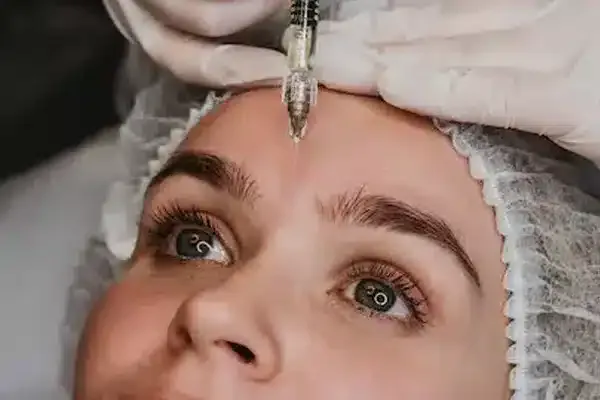
Botox is injected as a small volume of fluid into a specific muscle. The active toxin needs roughly 2 to 4 hours to bind to the nerve terminals at the neuromuscular junction. Until that binding happens, the product is technically diffusible, pressure, heat, or aggressive movement can push it into nearby tissues where you do not want it. Those nearby tissues might include the muscle that lifts your eyelid, the muscles that hold up your brow, or the orbicularis oculi around your eye. Toxin diffusing into the wrong muscle is the mechanism behind the rare cases of ptosis or asymmetry that follow otherwise routine treatments.
Beyond the safety side, early diffusion can also dilute the dose at the target site, meaning your result may peak slightly lower than it would have and wear off sooner. The aftercare rules are not arbitrary, each one addresses a specific mechanism that affects either where the product ends up or how strongly it binds.
What should I avoid in the first 4 hours?
- Do not lie flat. Gravity moves fluid in the direction your head is tilted. Lying face-down or fully horizontal in the first few hours can shift the product downward or sideways. Stay upright or semi-reclined, a 45-degree angle on a couch is fine.
- Do not rub, massage, or apply pressure to the treated area. Mechanical pressure is the most direct way to move product. This includes scratching, picking at injection marks, and pressing on the area “to check if it’s working.”
- Do not get a facial, peel, or any treatment that involves face massage or steaming.
- Avoid leaning forward for extended periods. Bending over to do yard work, tying shoes, or doing yoga inversions all let gravity pull the product into the lower face or eye area.
- Skip makeup application that requires firm pressure over treated areas. Light tinted moisturizer applied with clean fingers is fine; a heavy-pressure beauty blender or buffing brush is not.
What is okay: standing, sitting, walking around, drinking water, eating, having a normal conversation, and going back to work. The rule is “live your life upright and don’t touch your face.”
What should I avoid in the first 24 hours?
- No intense exercise. Cardio that elevates your heart rate substantially, weight training, hot yoga, spin class, running, or anything that increases facial blood flow and pressure should wait 24 hours. The mechanism is twofold: increased blood flow could theoretically diffuse the product, and the muscular straining around the face (especially in heavy lifting) can act like self-massage. Light walking is fine. Restorative yoga without inversions is fine.
- No alcohol. Alcohol thins the blood, increases bruising risk at the injection site, and slightly elevates blood flow. A single glass of wine 24 hours after treatment is unlikely to cause harm; the safer recommendation is to skip alcohol on the day of treatment and the next.
- No saunas, steam rooms, hot tubs, or very hot showers. High heat causes vasodilation and increased facial perfusion, which can theoretically promote diffusion. Beyond that, sweating into fresh injection sites raises the risk of bruising or minor irritation.
- No blood thinners (if avoidable). Aspirin, ibuprofen, and naproxen all increase bruising. If you can avoid them for 24 hours after treatment, do. Acetaminophen (Tylenol) is the better choice for post-Botox headache.
- No sleeping face-down. Sleep on your back the first night. If you are a side or stomach sleeper, prop yourself with extra pillows. The first night is the most important; after 24 hours, return to normal sleep position.
What should I avoid in the first week?
- No facials, microdermabrasion, or chemical peels at the injection sites. Treatments that involve face massage, suction, or aggressive exfoliation should wait 7 to 14 days. The product is fully bound by 7 days but the skin at injection sites is still healing.
- No professional massage that touches the treated area. Full-body massage that avoids the face is fine after 48 hours. Face-specific massage (lymphatic drainage, Gua Sha) should wait at least 7 days.
- No microneedling, IPL, or laser at the injection sites. Wait 1 to 2 weeks. These are not contraindicated long-term, many patients combine them with Botox, but the timing should give the toxin a chance to fully bind first.
- Avoid swim caps, snug headbands, or anything that compresses the forehead for the first week.
What can I do right away after Botox?
It is easy to leave a Botox appointment thinking you cannot do anything for a day. That is not accurate. What is safe immediately:
- Drive yourself home (no sedation involved)
- Return to work or school
- Eat and drink normally (skip alcohol for the day)
- Drink coffee or caffeine
- Brush your teeth, wash your hands, use the bathroom
- Apply gentle, mineral-based makeup with clean fingers or a clean brush after 4 hours
- Take acetaminophen for headache if needed
- Walk, run errands, do desk work
- Animate your face naturally, talking, laughing, expressing emotion is fine and actually helps the toxin bind to the active muscle (some injectors specifically recommend “exercising” the treated muscles for the first hour by frowning or raising your brows intentionally)
What does science say about Botox aftercare rules?
The honest answer: the evidence base for many aftercare rules is older clinical convention plus pharmacokinetic reasoning, not large randomized trials. The botulinum toxin pharmacokinetic profile is well-characterized, binding takes hours, diffusion is dose- and volume-dependent, and pressure-induced movement is plausible (Botox Cosmetic FDA label). That mechanistic foundation supports the aftercare rules, even where head-to-head studies are limited.
Some restrictions, like “do not exercise for 24 hours”, are more cautious than the evidence strictly requires. Lighter restrictions (no intense exercise for 4 to 6 hours) would probably be just as safe in most patients. Most injectors err on the side of stricter advice because the cost of one ptotic eyelid in a single patient outweighs the inconvenience of a one-day exercise pause for hundreds.
What should I do if something goes wrong?
- Brow heaviness or “heavy eyelids” feeling. Common in the first 2 weeks if the forehead was treated. Usually resolves on its own. Call your injector if it persists past 3 weeks.
- Eyelid ptosis (true drooping of the upper eyelid). Uncommon but worth a same-day call to your injector. Apraclonidine (Iopidine) prescription eye drops can partially raise the lid while waiting for the toxin to wear off in 4 to 6 weeks.
- Significant asymmetry at 2 weeks. Most asymmetry is correctable with a small touch-up dose. Call to schedule a 2-week follow-up if the difference is bothersome.
- Severe headache that does not respond to acetaminophen. Rare but worth a call. Most post-Botox headaches resolve in 24 to 48 hours.
- Sudden onset of weakness, difficulty swallowing, breathing changes, or visual disturbances. Seek emergency care. Distant-spread toxicity is extremely rare at cosmetic doses but is a recognized serious adverse event.
Botox aftercare cheat sheet
FAQ
Can I work out after Botox?
Light walking is fine immediately. Avoid intense cardio, weight training, hot yoga, and any exercise that elevates facial blood flow or strains the face for at least 24 hours. The 24-hour rule is conservative but reflects mechanistic reasoning about product diffusion.
Can I drink alcohol after Botox?
Skip alcohol on the day of treatment and ideally the next day. Alcohol thins the blood and increases bruising risk. The bigger reason most injectors say “no alcohol for 24 hours” is that it overlaps with the diffusion-risk window.
Can I lie down after Botox?
Avoid lying fully flat or face-down for the first 4 hours. After that, you can lie down. Sleep on your back the first night, then return to your normal sleep position after 24 hours.
Can I wash my face or wear makeup after Botox?
Yes, with light pressure and clean hands or a clean brush after 4 hours. Avoid heavy buffing or pressing on injection sites. Skip exfoliating cleansers, retinoids, and active acids on the day of treatment.
Why no facial or massage after Botox?
Both involve direct pressure and movement at the injection sites. Pressure can diffuse the product into adjacent muscles where you do not want effect, most concerning around the eye area, where it can cause ptosis. Wait at least 7 days for face-area massage and 14 days for aggressive facials.
Can I fly after Botox?
Yes. Air travel has not been clinically associated with worse Botox outcomes. The cabin pressure changes are not significant enough to affect a bound neurotoxin. If you can stay relatively upright during the flight, you are fine.
When can I get a facial or microneedling after Botox?
Wait at least 2 weeks. By then, the toxin is fully bound and the skin at injection sites has fully healed. Most combination treatment plans space Botox and microneedling 2 to 4 weeks apart.
How to get started
If you have a Botox appointment coming up, the easiest way to set yourself up for the best result is to plan a calm 24 hours afterward: no big workouts, no flat lying-down, no facial massage, and no aggressive skincare. Most patients schedule treatment on a Friday afternoon or before a quieter weekend so the activity restrictions are easy to comply with.
Talk to a clinician at OC Weight Loss and Medspa
If you are planning your first Botox treatment or have questions about aftercare specific to your routine, heavy training schedule, frequent travel, ongoing aesthetic treatments, our injectors can build a plan that fits the rest of your life. Visit our Botox service page for pricing or book a consultation below.
Book a free consultation
Related treatments at our Mission Viejo clinic
Not sure which treatment fits? These are the related services our clinicians most often discuss at a consultation.
- Botox Injections in Orange County CA – Quick & Convenient, Discover Botox injections to smooth fine lines, reduce wrinkles, and achieve a youthful, refreshed look with safe, non-surgical treatments.
- Dysport in Orange County – Get Results in Days, Searching for the best Dysport near me?
- Daxxify Injections Near Orange County - No Downtime, Looking for Daxxify injections near me?
References
- Efficacy and Safety of Botulinum Toxin Type A for Treatment of Glabellar Lines: A Network Meta-Analysis of Randomized Controlled Trials — Aesthetic Plast Surg 2023, via PubMed
- Efficacy and Safety of Botulinum Toxin Type A in the Treatment of Glabellar Lines: A Meta-Analysis of Randomized, Placebo-Controlled, Double-Blind Trials — Plast Reconstr Surg 2015, via PubMed
- Efficacy and safety of Botulinum toxin A for improving esthetics in facial complex: A systematic review — Braz Dent J 2021, via PubMed