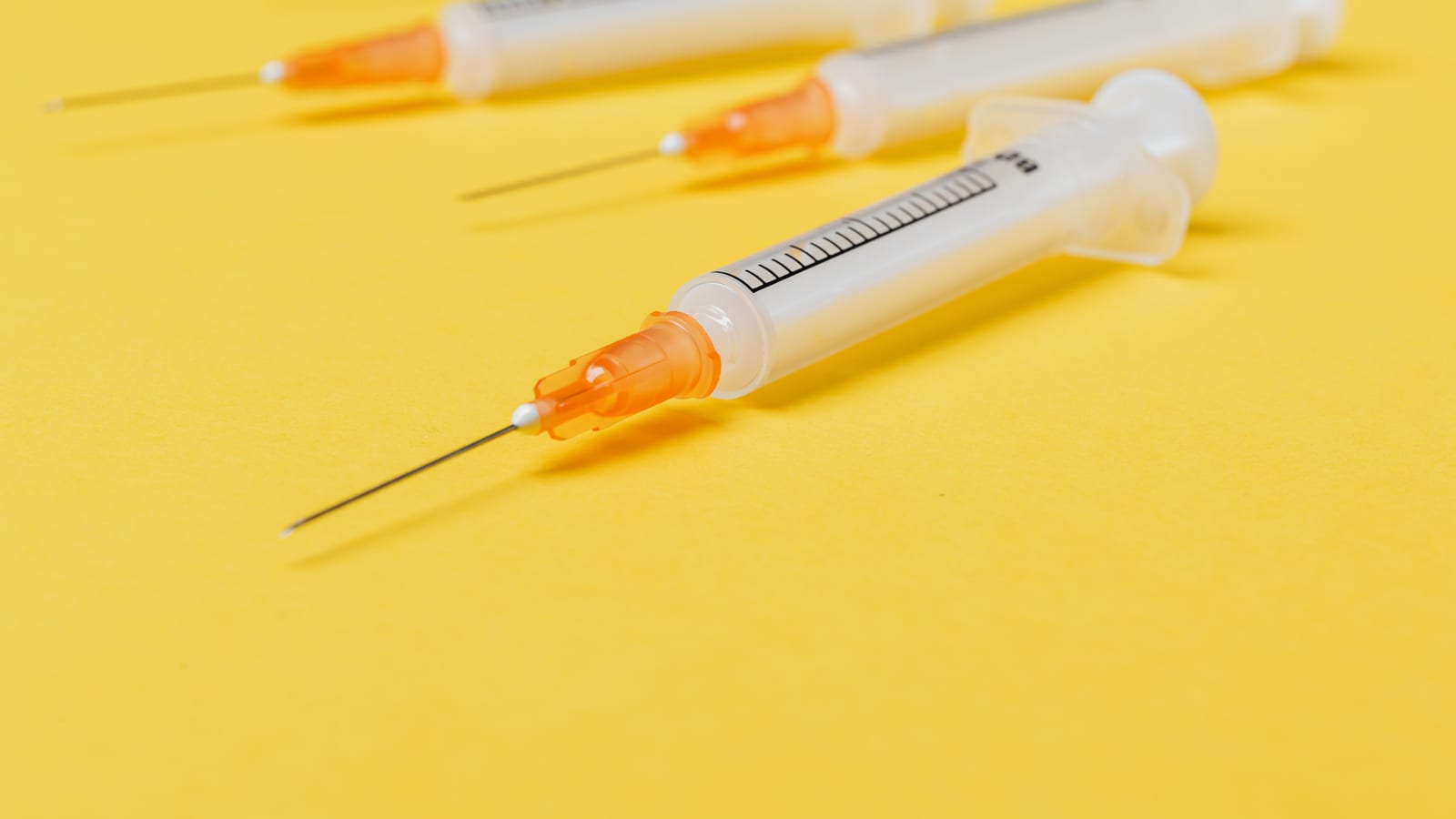
Short take: Cheek filler is one of the highest-leverage injectable treatments because the mid-face supports everything below it. Restore the cheek and you lift nasolabial folds, soften under-eye shadows, and re-establish jawline framing, without touching those areas directly. At our Mission Viejo clinic we use three primary HA fillers for the cheek: Voluma (lift + softness), Lyft (firmer lift, often two syringes for crisp definition), and Volux (the firmest, used when patients want sharp model-style cheekbones). Per-syringe pricing runs $800 to $1,000, and most patients need 2 syringes for a balanced result.
When patients in their late 30s and 40s come in saying they “look tired,” the actual problem is rarely the eyes. It is usually the mid-face. The malar fat pad descends, the bone behind it resorbs, and the visual triangle of the youthful face inverts. Cheek filler is the most direct lever for that change, and product choice, Voluma, Lyft, or Volux, matters as much as injection site. This page covers what cheek filler in Mission Viejo looks like at our clinic, how the three products compare, and what you can expect at the 4-week and 12-month mark. For broader context, our dermal fillers guide covers each product family.
Where we are in Mission Viejo and drive distances
OC Weight Loss and Medspa is at 24002 Via Fabricante #201, Mission Viejo, CA 92691, at the Crown Valley exit off the 5. We see cheek-filler patients from across South Orange County. Typical off-peak drive times:
Parking is free in the building lot, no validation needed.
What does cheek filler actually do?
The mid-face is a three-dimensional support structure with several fat compartments, deep medial cheek fat, deep lateral cheek fat, superficial nasolabial fat, and the malar pad on top. With aging, the deep compartments shrink and the maxillary bone resorbs underneath. The superficial compartments then have nothing to sit on and slide downward, producing the heavy lower face and flat upper cheek look.
Cheek filler replaces the lost scaffolding. Placed deep on bone in the right compartments, it lifts the overlying tissue and re-establishes the apex of the cheek. Done well, the result is “lifted but not full”, closer to how the face looked at 30 than to a chipmunk-cheek overcorrection.
Voluma vs Lyft vs Volux for the cheek: a direct comparison
When we choose Voluma: The default. Voluma’s Vycross formulation gives a balance of lift and soft tactile quality that suits most aesthetic preferences. Lasts up to 24 months in the cheek per pivotal data.
When we choose Lyft: Patient wants crisper cheekbone definition, has more skin laxity that needs vertical lift, or has had Voluma before and wants a slightly firmer feel.
When we choose Volux: The patient wants a sharply defined cheekbone with strong projection, often the model / fitness aesthetic. Volux is firmer than Lyft and stays where it is placed, which suits angular contouring but is less forgiving if the injector is inexperienced. For details on Volux’s mechanical profile, see our Volux for jawline overview.
How a cheek filler session goes
- Photography and mapping, front, profile, three-quarter, and oblique views. We mark the malar eminence, the zygomatic arch, and the deep medial cheek injection points.
- Topical numbing for 15 to 20 minutes. Filler already contains lidocaine.
- Injection by either cannula (preferred for safety) or needle. Deep supraperiosteal placement for lift; sometimes a small superficial layer for skin-quality refinement.
- Molding to refine. Patient sits up to review in a real lighting condition before final touch-ups.
- Post-care, ice intermittently for 24 hours, no strenuous exercise for 24 hours, no facial massage for 1 week, no dental work for 2 weeks.
Most cheek sessions run 45 to 60 minutes total.
Per-syringe pricing
Some patients use a 1-syringe-per-side approach (more total volume); others use a 0.5 mL per side conservative protocol with a refresh at month 4 to 6. We recommend conservative-then-build for first-timers.
What results look like over time
- Day 0: Immediate lift visible. Swelling exaggerates the result for 48 hours.
- Week 1: Swelling resolves. Some bruising may persist 5 to 10 days.
- Week 4: Final settled position. Decision point for any small additions.
- Month 6: Optical lifting of nasolabial folds is visible because the deep mid-face is now supporting the overlying tissue.
- Month 12 to 24: Maintenance dose typically 0.5 to 1 mL per side.
What does the research show?
The Voluma pivotal trial showed sustained improvement in cheek volume through 2 years in 76 percent of subjects, with high satisfaction at 18 and 24 months (Jones et al., Dermatol Surg 2013). The FDA’s approved indications and current device safety information for Voluma and Lyft are maintained on the FDA’s dermal fillers reference page (FDA dermal fillers list).
Cheek filler vs nasolabial fold filler, which first?
If you have both flat cheeks and deep nasolabial folds, the right move is almost always cheek first. Restoring the mid-face scaffold typically lifts the upper portion of the nasolabial fold by 20 to 40 percent on its own. After cheek filler settles at 4 weeks, you may find that the residual fold needs only 0.5 mL of a softer filler (like Vollure) rather than a full syringe. See our nasolabial fold filler overview for the staged approach.
FAQ: Cheek filler in Mission Viejo
How is this different from your general “dermal fillers in Mission Viejo” service?
That overview covers all filler areas, lip, cheek, jaw, tear trough, nasolabial. This page is specifically the cheek protocol, product comparison, and pricing. For the broader service tree, see dermal fillers in Mission Viejo.
Will cheek filler make me look like I have done something?
Done well, no. The cumulative visual signal is “rested” or “you look great” rather than “you got cheek filler.” Overcorrection is the failure mode, almost always avoidable with conservative dosing.
How many syringes will I need?
Most first-time patients use 2 syringes total (1 per side). Significant mid-face flattening or older patients with bone resorption sometimes use 3 to 4 syringes across two visits.
What is the downtime?
Swelling 24 to 48 hours. Bruising 3 to 10 days if it occurs. Most patients return to work the next day with light makeup.
Is the procedure painful?
Most patients rate it a 2 to 3 out of 10. Topical numbing and the lidocaine in the filler itself manage discomfort. Cannula technique (instead of a needle) further reduces sensation.
Can I see before-and-after photos?
Yes, see cheek filler before and after for a gallery and explanation of representative cases.
Can I drive home after the procedure?
Yes. There is no sedation. Patients drive themselves home immediately. We encourage cool packs for the first 24 hours.
Book your Mission Viejo cheek-filler consult
A 30-minute consult walks you through whether Voluma, Lyft, or Volux fits your face, what 2 syringes would actually change, and what to expect at 4 weeks. Visit our dermal fillers page or call +1 949-416-0950.
OC Weight Loss and Medspa24002 Via Fabricante #201Mission Viejo, CA 92691Phone: +1 949-416-0950Hours: Mon–Fri 9 am–5 pm · Sat 9 am–1 pm · Sun closed
Book a free consultation
Related treatments at our Mission Viejo clinic
Not sure which treatment fits? These are the related services our clinicians most often discuss at a consultation.
- Juvederm in Orange County, Get Juvederm in Orange County to reduce wrinkles and restore volume.
- Restylane Dermal Fillers for Smooth Youthful Skin, Discover Restylane dermal fillers to smooth wrinkles, add volume, and enhance facial contours with safe, natural-looking results today.
- Sculptra Treatment for Natural Collagen Boosting, Discover Sculptra treatment to restore facial volume, boost collagen, and achieve natural-looking, long-lasting anti-aging results today.
References
- Vascular Complications after Facial Filler Injection: A Literature Review and Meta-analysis — J Clin Aesthet Dermatol 2019, via PubMed
- The Feasibility Determination of Risky Severe Complications of Arterial Vasculature Regarding the Filler Injection Sites at the Tear Trough — Plast Reconstr Surg 2018, via PubMed
- Delayed Complications following Dermal Filler for Tear Trough Augmentation: A Systematic Review — Facial Plast Surg 2022, via PubMed