Non-surgical body contouring
Planning several areas rather than treating one. What order to do them in, how many rounds it realistically takes, and the point at which a surgeon is the better answer than we are.
Medically reviewed by Lindsay Short, NP-BC, Board-Certified Nurse Practitioner · last reviewed September 2026
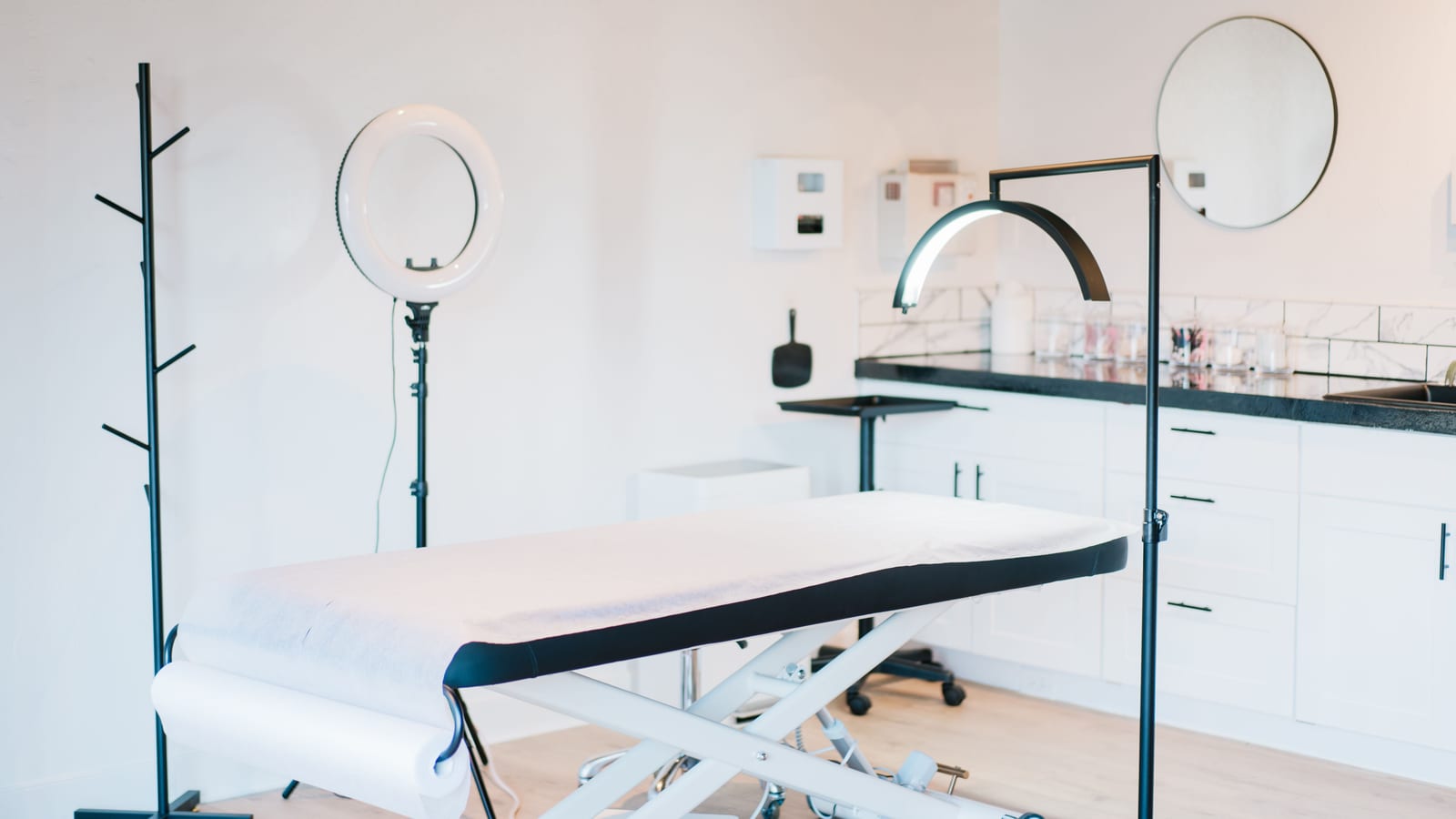
Treat the area you notice first, not the largest one
The most useful planning rule we can give you, and it saves people money more often than it earns us any.
The instinct is to start with the biggest area. The better move is to start with the one you actually notice in clothing, because within twelve weeks it tells you how well you personally respond. Response varies between people and no consultation can predict yours exactly. Someone who responds modestly is far better off learning that after one area than after committing to four.
So we plan the full course and then deliberately do not sell it up front. You commit to the first area, we look at the result together at twelve weeks, and the rest of the plan is confirmed or revised on evidence rather than on optimism.
What a multi-area course actually looks like
Consultation and mapping
We establish which areas are pinchable fat rather than loose skin, photograph them, and map applicator placement. Paired areas such as the flanks are planned to be treated symmetrically in one session.
First area, first round
Usually one to two cycles. You leave the same day and normal activity resumes immediately.
Twelve weeks, then judge
The decision point. We compare against the photographs and decide whether to repeat that area, move to the next, or stop. This is the visit that keeps a plan honest.
Subsequent areas
Rolled out on the same rhythm. A full multi-area course commonly runs about six months end to end, because each round needs its twelve weeks.
When a surgeon is the better answer
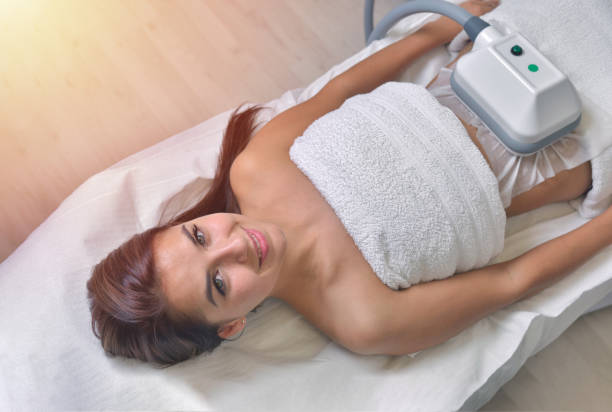
We are not a surgical practice and there is a clear line where non-surgical contouring stops being the right tool. Being told this at a consultation is worth more than being sold four rounds that were never going to work.
Loose skin. Freezing fat under skin that has lost elasticity can leave the area looking looser rather than better. Skin does not tighten because the fat beneath it was reduced.
Separated abdominal muscle. Common after pregnancy, and it presents as a lower belly that will not flatten however lean you get. No external device repairs it.
A large volume of fat. This reduces a pocket. It does not remove volume the way liposuction does, and pretending otherwise wastes a year.
In all three we will say so and, where it helps, tell you what to ask a plastic surgeon.
Contouring after significant weight loss
This has become the most common version of the conversation, and it is worth being precise about, because a GLP-1 patient who has lost a great deal usually has two separate problems at once.
| What you have | Responds to freezing? | What actually addresses it |
|---|---|---|
| Residual pinchable pockets | Yes | Contouring, area by area |
| Loose skin at the abdomen | No | Skin tightening, or surgery if advanced |
| Crepey skin on arms or thighs | No | Skin tightening |
| Lost facial volume | No | Filler or collagen stimulation |
Treating the first row while ignoring the second is how people end up disappointed by a treatment that did exactly what it was supposed to. Skin tightening is usually the other half of the plan, and sequencing the two matters.
Book your free consultationAnswers before you book
How many areas can be treated at once?
Usually two to four in a single visit, depending on the applicators and how long you can comfortably sit. Treating the flanks as a pair in one appointment is common because they should be done symmetrically. We plan the sequence at the consultation rather than treating whatever is convenient.
In what order should areas be treated?
Start where the change will be most visible to you, which is usually the area you notice in clothing rather than the largest one. Doing that first tells you within twelve weeks whether you respond well, before you commit to a full plan. Someone who responds modestly is better off knowing after one area than after four.
How many rounds will I need?
Most areas need one to two cycles per round, and many people have a second round at twelve weeks. Beyond two rounds the returns fall off, and if two have not produced what you wanted, more cycles are usually not the answer. We would rather say that than keep selling.
When is surgery the better answer?
When the issue is loose skin, separated abdominal muscle, or a volume of fat well beyond a pinchable pocket. Non-surgical contouring reduces a defined pocket; it does not remove a large volume, tighten skin or repair a muscle separation. If that is what you have, liposuction or abdominoplasty with a plastic surgeon is the honest route and we will tell you so.
Can I combine it with skin tightening?
Yes, and for some people it is the combination rather than either alone that produces the result. Reducing fat under skin that has already lost elasticity can leave the area looking looser. Where we expect that, we plan tightening alongside rather than treating fat and dealing with the consequence afterwards.
Does it work after weight loss?
For residual pockets, yes. For the loose skin that follows significant weight loss, no, and that is the most common disappointment in this category. A GLP-1 patient who has lost a great deal often has both, and only one of them responds to freezing.
How long does the whole plan take?
Plan on six months for a multi-area course. Each round needs twelve weeks before it can be judged, and the second round follows that. It is slow by design, because the clearance of treated cells is what produces the result and it cannot be hurried.
Will my results look even?
That is what the planning is for. Paired areas such as the flanks are treated symmetrically in the same session, and applicator placement is mapped rather than judged by eye on the day. Contour irregularities are an uncommon but recognized outcome, and careful placement is how they are avoided.
Plan the whole thing before you start any of it
A free consultation and body composition scan maps which areas are actually fat, what order to treat them in, and whether the result you want is achievable without surgery.