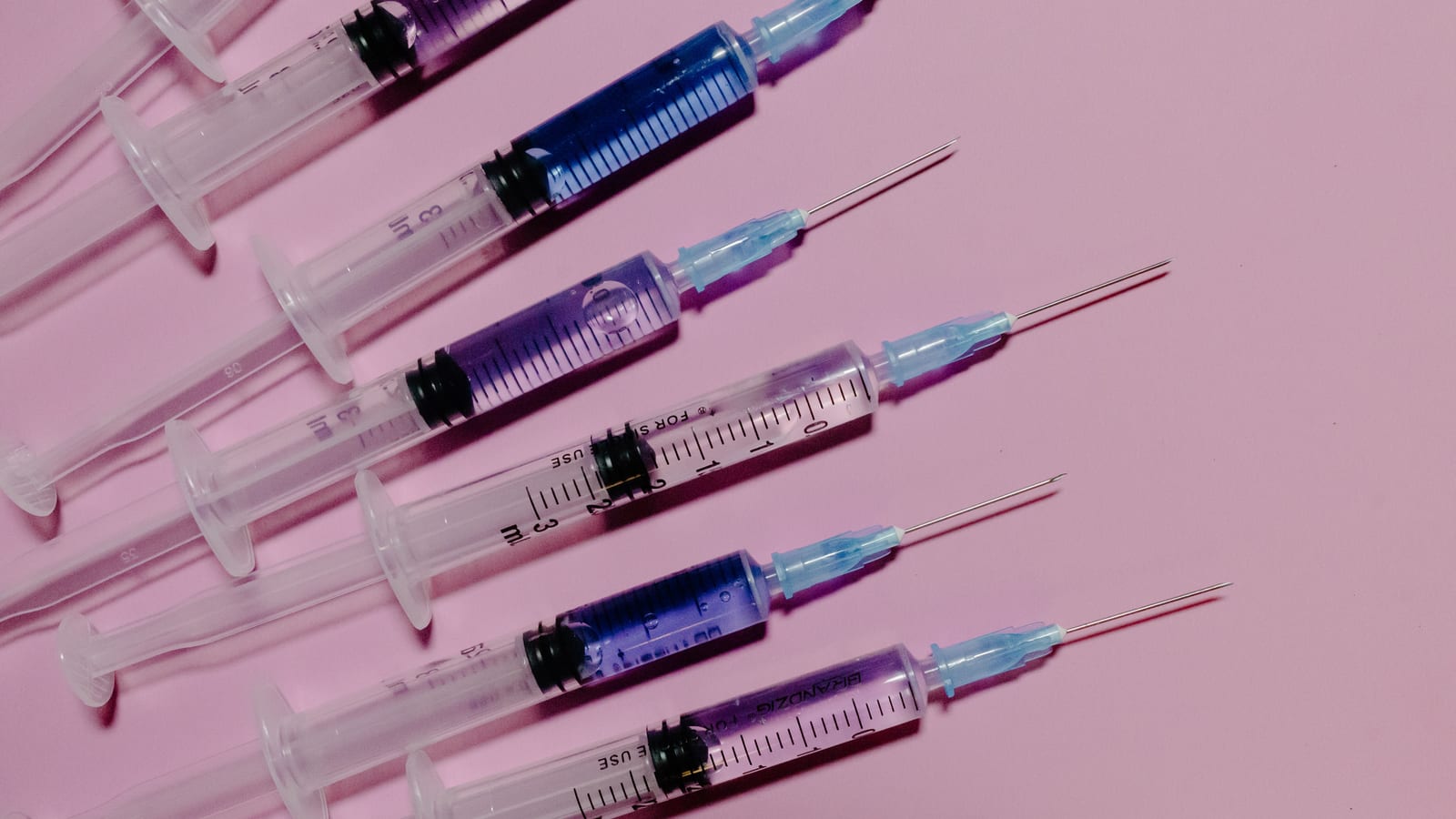
The short version: Lip filler dissolving uses hyaluronidase, an enzyme that breaks the cross-links holding hyaluronic acid (HA) filler together so your body absorbs it within hours to days. Patients dissolve filler for cosmetic reasons (overfilled, migrated, asymmetric) or as an emergency response to vascular occlusion. Expect noticeable swelling for 24–72 hours, results visible at the 2-week mark, and a recommended wait of about 2–4 weeks before refilling. The procedure is quick and well-tolerated, but it can also reduce some of the natural HA in surrounding tissue, which is why thoughtful dosing matters.
What is lip filler dissolving?
Lip filler dissolving is the targeted reversal of hyaluronic acid (HA) lip filler using an injection of hyaluronidase, a naturally occurring enzyme. Hyaluronidase breaks the bonds in cross-linked HA gels, the same gels used in Juvederm, Restylane, RHA, and Belotero products. Once the enzyme acts on the filler, the gel breaks down into shorter chains that the body absorbs and clears, usually within 24–72 hours.
Important boundary: dissolving only works on HA fillers. It will not reverse Sculptra (poly-L-lactic acid), Radiesse (calcium hydroxylapatite), Bellafill (PMMA), or fat grafting. Lip filler in the U.S. is almost always HA, so the vast majority of lip filler patients are candidates for dissolving. If you are unsure what was injected, your previous clinic should be able to tell you on request. Our broader dermal fillers guide covers product categories in more detail.
How does hyaluronidase work?
Hyaluronidase enzymatically cleaves the glycosidic bonds in hyaluronic acid. Branded hyaluronidase products used in U.S. medical practice include Hylenex (recombinant human hyaluronidase, FDA approved) and Vitrase. The enzyme is injected directly into or near the filler deposit. It diffuses through the tissue, attaches to HA molecules, and starts breaking them down within minutes.
Onset of visible change varies by product and dose. Newer, more highly cross-linked HA fillers (like Voluma) are harder to dissolve and may need a higher concentration or a second visit. Softer products commonly used in lips (Volbella, Kysse) usually break down with a single moderate dose.
Why do patients dissolve lip filler?
Reasons fall into two buckets: planned cosmetic correction, and urgent medical management.
Cosmetic reasons
- Overfilled appearance. The “duck lip” or “sausage lip” look from too much volume in the body of the lip.
- Filler migration. Product that has drifted above the vermilion border, creating a shelf above the upper lip or a “mustache shadow.” Read more on how lip filler migrates and how to prevent it.
- Asymmetry. Unequal volume between left and right side of the lip.
- Lumps and bumps that have not resolved with massage or time.
- Ready to start over. Some patients want to reset their lip shape entirely before trying a new injector or a new technique, like switching from a horizontal style to Russian lip filler.
- Lifestyle change. Some patients simply decide they no longer want filler and want their natural lips back.
Medical reasons
- Suspected vascular occlusion. A medical emergency where filler accidentally enters or compresses a blood vessel. Hyaluronidase is the standard first-line treatment and must be administered immediately. Reviewed in detail in Heydenrych et al., Plastic and Reconstructive Surgery, 2022.
- Delayed inflammatory nodules. Persistent swelling or palpable lumps days to months after injection that do not respond to other treatment.
- Allergic-type reactions to the filler product.
Full dissolve vs partial dissolve
Not every dissolve has to remove everything. Skilled injectors use two approaches.
Targeted dissolves are technically harder than full dissolves. The enzyme spreads in tissue, so it is not always possible to perfectly preserve adjacent filler. Your injector should set realistic expectations about how precise that targeting can be.
What does the procedure feel like?
A dissolving appointment is shorter than the original filler appointment. Plan for:
- Consultation and photos (5–10 min). Document the current shape, identify problem areas, confirm the original product type if known.
- Allergy test (sometimes). Hyaluronidase has rare allergic reactions. Some clinicians do a small skin test first, others go straight to injection if there is no allergy history.
- Numbing (10–15 min). Topical lidocaine cream.
- Injection (5–10 min). Small volume, often a single syringe of diluted hyaluronidase placed in 4–8 sites across the upper and lower lip.
- Massage and final review (5 min). The injector massages the area to spread the enzyme through the filler deposit.
Most patients feel the dissolving process is less uncomfortable than the original filler injection because fewer needle passes are needed.
What happens after dissolving?
The visible timeline is fairly predictable:
- Hour 0–24: Swelling in the treated area. The lip often looks worse before it looks better. This is expected and not a failure of the procedure.
- Day 1–3: Most of the filler breakdown happens here. The lip starts to look smaller and any migrated product begins to recede.
- Day 7: Swelling resolves. You can see the actual change in lip shape.
- Day 14: Final result. If filler is still visible, a second dissolve session may be planned.
If you had years of stacked filler and your “natural” lip felt very full, do not be surprised if your post-dissolve lip looks smaller than you remember. Filler stretches the skin over time, and some of that volume was a tissue response, not just the gel itself. Skin recovers tone with time, but it is not instant.
What are the side effects of dissolving?
- Swelling and bruising at injection sites, common, usually resolves in 3–7 days.
- Tenderness for 1–2 days.
- Temporary firmness or unevenness as the enzyme works through the filler.
- Loss of some natural HA in the surrounding tissue. Hyaluronidase is not perfectly selective for cross-linked HA. The body replenishes its own HA over weeks, but a “deflated” appearance immediately after is common and resolves.
- Allergic reaction, rare but possible. Hyaluronidase products are derived from animal or recombinant human sources, and patients with a documented bee or wasp venom allergy should be evaluated more carefully because of cross-reactivity. See the Hylenex prescribing information.
How much does lip filler dissolving cost?
In Orange County, expect a range of $250–$500 per dissolve session depending on:
- Whether you are doing a targeted or full dissolve
- How much product needs to be broken down (more filler = more enzyme)
- Whether the original filler was placed at your clinic or somewhere else
Some clinics offer reduced-cost dissolves for their own patients within a goodwill window after a filler appointment if the result needs adjustment. Ask about this directly when booking.
How long should you wait before refilling?
Most clinicians recommend a minimum of 2 weeks between a dissolve session and a new filler injection. Some prefer a 4-week wait. Two reasons:
- Residual hyaluronidase. Trace enzyme can still be active in the tissue for several days, which would break down any new HA filler immediately and waste your money.
- Tissue recovery. The lip needs to recover its baseline shape and natural HA before you can accurately judge what to fill.
If you are planning a major shape change, like moving from a horizontal-threading look to a Russian-style result, waiting closer to 4 weeks gives the cleanest canvas.
Who should not get dissolved?
- Patients with non-HA filler (Sculptra, Radiesse, Bellafill, fat), the enzyme will not work
- Patients with active infection or cold sore at the lip
- Patients with a documented hyaluronidase allergy
- Pregnant or breastfeeding patients. Most clinics defer elective dissolves
FAQ
How quickly does hyaluronidase work?
Enzyme activity starts within minutes. Visible filler breakdown is usually obvious by 24–48 hours, though swelling can mask the change in the first day. Full resolution at the 14-day mark.
Will my lips ever look the same as before filler?
Mostly, yes, with one caveat. If you had filler for many years, the skin may have stretched. After dissolving, the lip can look slightly looser than your pre-filler baseline. Skin elasticity recovers gradually over months.
Can I dissolve filler that’s years old?
Yes. Even if a filler is technically beyond its product longevity window, residual gel often remains in the tissue. Imaging studies and clinical practice show HA filler can persist much longer than manufacturers’ marketed durations.
Is dissolving more painful than getting filler?
Most patients find it about the same or slightly less. The needle count is lower, but the injection is into already-sensitive lip tissue.
Can I get filler at the same appointment as a dissolve?
No. The residual enzyme would degrade the new product. Two separate visits, at least 2 weeks apart.
Will dissolving make me bruise?
Bruising is common at injection points. Avoid blood-thinning supplements (fish oil, vitamin E, high-dose ibuprofen) for 5–7 days before if you bruise easily.
Can I dissolve only one side of my lip?
Yes, a targeted dissolve can address one-sided overfill or asymmetry. The enzyme is placed only on the affected side. Some diffusion to the other side is possible, which your injector will plan for.
Talk to a clinician at OC Weight Loss and Medspa
If you are unhappy with current lip filler results, or want to reset before trying a new shape, a dissolving consultation is a quick, low-risk way to get back to baseline. Visit our dermal fillers service page to book.
Book a free consultation
Related treatments at our Mission Viejo clinic
Not sure which treatment fits? These are the related services our clinicians most often discuss at a consultation.
- Juvederm in Orange County, Get Juvederm in Orange County to reduce wrinkles and restore volume.
- Restylane Dermal Fillers for Smooth Youthful Skin, Discover Restylane dermal fillers to smooth wrinkles, add volume, and enhance facial contours with safe, natural-looking results today.
- Sculptra Treatment for Natural Collagen Boosting, Discover Sculptra treatment to restore facial volume, boost collagen, and achieve natural-looking, long-lasting anti-aging results today.
References
- Vascular Complications after Facial Filler Injection: A Literature Review and Meta-analysis — J Clin Aesthet Dermatol 2019, via PubMed
- The Feasibility Determination of Risky Severe Complications of Arterial Vasculature Regarding the Filler Injection Sites at the Tear Trough — Plast Reconstr Surg 2018, via PubMed
- Delayed Complications following Dermal Filler for Tear Trough Augmentation: A Systematic Review — Facial Plast Surg 2022, via PubMed