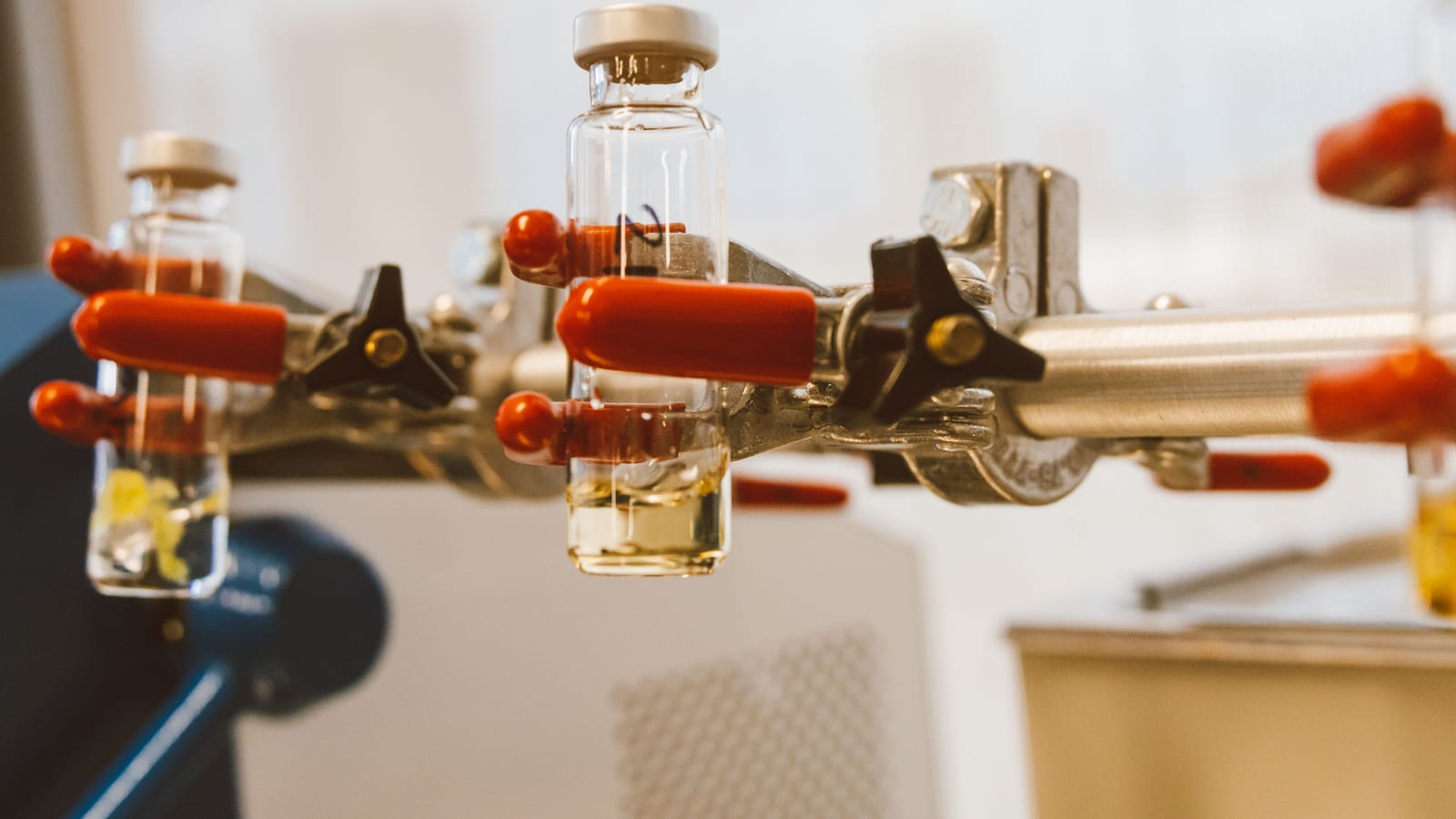
Walk through any aesthetics clinic in Orange County and you will hear the same four brand names: Botox, Dysport, Daxxify, and Xeomin. They share a parent molecule, they treat the same wrinkles, and the marketing makes them sound interchangeable. They are not. Each has different onset, duration, formulation, and ideal use cases, and choosing well is the difference between a result that feels natural for three months and one that feels frozen for six.
This is our cluster hub on neurotoxins, written for adults thinking about their first treatment or their fifteenth. It pulls together what the FDA labels say, what the head-to-head trials show, what we see in our Mission Viejo clinic, and where each brand fits. Use it alongside our individual deep-dives on specific areas like masseter Botox and forehead lines, and our comparison guides on Botox vs Dysport and Botox vs Daxxify.
Our goal here is informational. The actual choice belongs in the consultation room, after we have mapped your facial anatomy and talked through your goals. The full list of services lives on the neurotoxins service page.
The short version: Neurotoxins are FDA-approved injectables (Botox, Dysport, Daxxify, Xeomin, Jeuveau) that temporarily relax targeted facial muscles, softening dynamic wrinkles like crow’s feet, frown lines, and forehead creases. All five are derived from botulinum toxin type A. They differ in onset speed, duration, diffusion pattern, and accessory proteins. Botox typically lasts 3 to 4 months. Daxxify can extend to 6 months in some patients. Cost in 2026 in Orange County usually runs $12 to $18 per unit, with most areas requiring 20 to 60 units. Side effects are usually limited to bruising, mild headache, or temporary asymmetry when injected by an experienced provider.
What this guide covers
- What neurotoxins are and how they were developed
- How neurotoxins work in the body
- Brand-by-brand: Botox, Dysport, Daxxify, Xeomin, Jeuveau
- Treatment areas and what they fix
- What to expect at the appointment
- Onset and duration: how long results last
- Side effects and risks
- Who is a candidate
- Cost in Orange County in 2026
- How to choose a provider
- FAQ
What are neurotoxins?
In aesthetic medicine, “neurotoxins” is shorthand for purified, FDA-approved formulations of botulinum toxin type A. The toxin is produced by the bacterium Clostridium botulinum; in concentrated, untreated form it is the agent of botulism. In the highly diluted, pharmaceutically purified doses used in cosmetic and therapeutic medicine, it has more than three decades of safety data and is one of the most-studied injectables in modern medicine.
Botox (onabotulinumtoxinA) was first approved by the FDA in 1989 for two ophthalmologic conditions: blepharospasm and strabismus. Its cosmetic use for glabellar (frown) lines was formally approved in 2002. Since then, four additional botulinum toxin type A products have entered the United States market for aesthetics: Dysport (abobotulinumtoxinA, 2009), Xeomin (incobotulinumtoxinA, 2011), Jeuveau (prabotulinumtoxinA, 2019), and Daxxify (daxibotulinumtoxinA, 2022).
All five products contain the same active toxin, but the manufacturing, formulation, accessory proteins, and dosing units differ. That is why Botox units and Dysport units are not interchangeable on a 1-to-1 basis, and why some patients respond differently to one brand than another.
How neurotoxins work
Botulinum toxin type A blocks the release of acetylcholine, the neurotransmitter that tells a muscle to contract, at the neuromuscular junction. Inject it into a small, specific muscle and that muscle stops fully contracting for the duration of the drug’s action. The skin overlying that muscle stops folding the same way every time you frown or squint, and the dynamic wrinkle that used to form softens or disappears.
The mechanism is local. Properly placed neurotoxin does not affect muscles outside the injection field, does not “spread” through the bloodstream, and does not stay in the body long after its effect wears off. The body produces new nerve terminal sprouts over the course of months, gradually restoring muscle activity. That is why results last 3 to 6 months depending on the product, the dose, and the patient.
One important nuance: neurotoxins treat dynamic wrinkles (the lines that appear when you make expressions). They do less for static wrinkles (the lines that remain when your face is relaxed). Static wrinkles often need a combination of neurotoxin and another modality such as dermal fillers, microneedling, or laser resurfacing. We discuss the right combination during the consult.
Brand-by-brand overview
Botox (onabotulinumtoxinA)
Botox is the original and still the most widely used neurotoxin in aesthetics. FDA-approved cosmetic indications include glabellar lines (2002), lateral canthal lines or “crow’s feet” (2013), and forehead lines (2017). Therapeutic indications cover migraine, hyperhidrosis, cervical dystonia, and overactive bladder, among others. Onset is typically 3 to 7 days, peak effect at about 2 weeks, with results lasting 3 to 4 months on average. Botox is the brand most providers were trained on first and the one most patients ask for by name.
Dysport (abobotulinumtoxinA)
Dysport tends to spread slightly more than Botox in the tissue, which can be useful for treating broad areas like the forehead and less useful for tight, focused areas like the corner of the mouth. Onset is often slightly faster (2 to 5 days), with comparable duration of 3 to 4 months. Unit-for-unit dosing is not equivalent to Botox; one Botox unit is roughly 2.5 to 3 Dysport units. We discuss this further in our Botox vs Dysport comparison.
Daxxify (daxibotulinumtoxinA)
Daxxify is the newest entrant in the United States market and the one with the longest reported duration in pivotal trials, with median effect on glabellar lines of approximately 6 months in many patients. It uses a peptide stabilizer instead of human serum albumin, which is one of its differentiators. Onset is typically 1 to 2 days. Cost per unit is generally higher than Botox, but the longer duration can offset the price for the right patient. See our Botox vs Daxxify guide for the full comparison.
Xeomin (incobotulinumtoxinA)
Xeomin is sometimes called the “naked” or “pure” toxin because it is purified to remove the accessory proteins that surround the active molecule in other formulations. The clinical theory is that fewer accessory proteins may reduce the chance of developing neutralizing antibodies over many years of treatment, though this effect is modest in real-world data. Onset and duration are comparable to Botox.
Jeuveau (prabotulinumtoxinA)
Jeuveau is FDA-approved exclusively for cosmetic use (glabellar lines) and is sometimes positioned as a value option. Its onset and duration are comparable to Botox. We do not stock every neurotoxin in our clinic; product selection is based on which fits each patient’s situation best, not on whichever brand is being marketed most aggressively that year.
Treatment areas
Neurotoxins are FDA-approved for three cosmetic indications: glabellar lines, lateral canthal lines, and forehead lines. They are commonly used off-label for many additional areas. The most common we treat in our clinic include:
- Glabellar (frown) lines – the “11s” between the brows, usually 20 to 25 units of Botox or equivalent
- Forehead lines – horizontal lines, 6 to 20 units depending on muscle strength and gender
- Crow’s feet (lateral canthal lines) – 10 to 15 units total split between sides
- Bunny lines – small wrinkles on the nose when you scrunch, 4 to 8 units
- Brow lift – small doses targeting depressors to lift the lateral brow
- Lip flip – 4 to 8 units to slightly evert the upper lip
- Gummy smile – small doses to relax the lip elevator
- Masseter (jaw) – for facial slimming or bruxism, see our masseter Botox guide; 20 to 40 units per side
- Neck (platysmal bands) – vertical bands that become prominent with age
- Hyperhidrosis (underarms) – FDA-approved for severe primary axillary hyperhidrosis
- Migraine – FDA-approved chronic migraine protocol with specific injection sites and dosing
For first-time patients, the most common starting points are the glabellar lines and forehead, sometimes combined with crow’s feet for the so-called “upper face package.” Patients in their late 20s and early 30s sometimes choose preventative Botox at lower doses to slow the formation of static lines.
What to expect at the appointment
A neurotoxin appointment is short. After a brief medical review, the provider studies your facial movement: how your forehead lifts, where your brows sit, how your crow’s feet form, whether one side compensates for the other. Photographs are taken in repose and at full expression. The injection sites are marked, the skin cleansed, and the injections placed. Most patients describe the sensation as a quick pinch. Total time, including consultation, is usually 20 to 30 minutes.
Aftercare is simple. We ask patients to avoid heavy workouts, hot tubs, lying flat, or rubbing the treated area for the rest of the day. Bruising at injection sites is the most common cosmetic side effect; arnica or a cold compress helps. Onset of visible effect typically begins around days 2 to 5 and reaches peak around day 14. We recommend a two-week follow-up to assess and add small touch-up doses if needed, particularly for first-time patients.
How long results last
Duration depends on the brand, the dose, the area treated, and the individual patient. Average ranges based on FDA labeling and pivotal trials:
- Botox: 3 to 4 months on glabellar, slightly less on crow’s feet
- Dysport: 3 to 4 months
- Xeomin: 3 to 4 months
- Jeuveau: 3 to 4 months
- Daxxify: 4 to 6 months in pivotal trials, with some patients reporting longer
High metabolic rate, intense exercise schedules, and underdosing all shorten duration. Repeated treatment over time tends to extend duration somewhat in many patients because the targeted muscles partially atrophy from chronic relaxation. Switching brands sometimes “resets” duration if the prior brand was wearing off faster than expected.
Side effects and risks
The most common side effects are local: bruising at the injection site, mild headache for the first 24 hours, brief tenderness, or a small bump that resolves within an hour. Less common but well-documented: brow heaviness, brow asymmetry, eyelid ptosis (drooping), and in masseter treatment, transient chewing fatigue.
Eyelid ptosis is the side effect patients fear most. It happens when toxin migrates to the levator palpebrae superioris, the muscle that holds the upper lid. Rates in the literature run roughly 1 to 5%, almost always related to injection technique. It is temporary, lasting weeks rather than months, and apraclonidine eye drops can mitigate it. Choosing a provider with deep anatomic training is the best protection. The FDA-approved Botox prescribing information lists complete safety data and contraindications (FDA Botox safety information).
Serious systemic reactions are extremely rare in cosmetic dosing. Botulism-like adverse events have occurred in therapeutic dosing of much larger amounts in pediatric patients with cerebral palsy and at unregulated injectors using counterfeit product. The Cleveland Clinic’s overview of botulinum toxin therapy summarizes both the safety profile and the warning signs of unsafe use (Cleveland Clinic).
Contraindications include neuromuscular disorders such as myasthenia gravis or Eaton-Lambert syndrome, allergy to any toxin component, active infection at the injection site, and pregnancy or breastfeeding (where data are limited and we default to caution).
Who is a candidate?
Most adults with dynamic wrinkles or specific functional indications (bruxism, masseter hypertrophy, hyperhidrosis, migraine) are candidates. The minimum age for cosmetic use is 18, though most aesthetic practices treat patients from their late 20s onward. The decision is based on the actual movement and lines, not the calendar age.
Patients with realistic expectations do well. Patients chasing a frozen, expression-free look are usually disappointed when we recommend a more modest dose, and they sometimes go elsewhere. Our default is conservative dosing on first treatment, evaluation at two weeks, and a small touch-up if needed; we would rather under-treat and add than over-treat and wait three months for it to wear off.
Cost in Orange County in 2026
Neurotoxin pricing in Orange County in 2026 typically follows a per-unit model, ranging from $12 to $18 per Botox unit at established practices and $4 to $7 per Dysport unit (remember the conversion: roughly 2.5 to 3 Dysport units equal 1 Botox unit). Daxxify generally prices higher per unit but is offset by longer duration. Some practices use per-area flat pricing, which can be a better value for small treatments and a worse value for large ones.
Average treatment costs we see in our clinic:
- Glabellar (11s): 20 to 25 units, roughly $260 to $400
- Forehead: 6 to 20 units, roughly $80 to $300
- Crow’s feet: 10 to 15 units total, roughly $130 to $260
- Upper-face package: 40 to 60 units, roughly $500 to $900
- Masseter: 20 to 40 units per side, roughly $480 to $1,300
Loyalty programs (Allē for Botox/Juvederm, Aspire for Dysport/Restylane, Daxxify Xperience) reduce per-treatment cost by about 5 to 10%. We enroll patients during the first visit if they want to participate.
Two pricing red flags worth naming. The first is “$8 a unit” advertising. Real product, real prescribing infrastructure, and an experienced injector cannot operate sustainably at that price; either the units are diluted, the product is gray-market, or the experience level is well below what cosmetic injection requires. The second is per-area pricing without a unit count disclosed. If you cannot find out how many units of which product you received, you cannot meaningfully compare results across appointments or providers.
The honest math: most patients in our clinic settle into a treatment cadence of every three to four months for Botox, Dysport, or Xeomin (about three to four visits per year), or every five to six months for Daxxify (about two to three visits per year). Annual spend depends primarily on which areas you treat, not which brand you choose.
How to choose a provider
The single biggest determinant of a good neurotoxin result is the injector, not the brand. The questions worth asking: Who is doing the injection (physician, physician assistant, nurse practitioner, registered nurse), how many of these specific treatments do they do per week, and can you see before-and-afters of patients with similar features. Anyone unable to answer those clearly is a pass.
Beyond the injector, the practice itself matters. Real prescribing pharmacy, real medical director, sterile technique, accurate documentation, and an honest aftercare protocol that includes a two-week follow-up are baseline. Pop-up “Botox parties” and grocery-store medspas frequently fail one or more of those checks.
One more practical note for first-time patients: ask to see your provider’s portfolio of work on patients with similar features. Skin tone, brow position, baseline animation, and gender all change how a treatment plan should be designed. A male forehead generally requires more units than a female forehead because the muscle mass is greater. Patients with already-low brow position need careful technique to avoid further heaviness. A provider who treats a wide demographic should be able to show that range.
FAQ
Does Botox hurt?
Most patients describe the injections as a quick pinch. Topical numbing cream is available on request. Bruising is the most common discomfort and resolves within a few days.
How quickly does Botox start working?
Onset is typically 3 to 7 days for Botox, 2 to 5 days for Dysport, 1 to 2 days for Daxxify, and similar to Botox for Xeomin and Jeuveau. Peak effect is around day 14.
Will my face look frozen?
Not at appropriate dosing. A natural-looking result preserves expression while softening lines. Frozen looks come from over-dosing or imprecise placement, both avoidable with conservative initial dosing and follow-up.
What if I do not like the result?
Botulinum toxin is not reversible like hyaluronic acid filler. We address concerns at the two-week follow-up. If the issue is undertreatment, a small touch-up usually fixes it. If overtreatment, the effect wears off in weeks rather than the full duration.
Can I switch brands between treatments?
Yes. Many patients try a second brand to compare onset and duration. Switching is straightforward; just wait until the prior product has clearly worn off so the next provider can dose accurately.
Does Botox prevent wrinkles?
It can slow the formation of static lines by reducing the chronic muscle contractions that etch them in. That is the rationale for preventative Botox in patients in their late 20s and early 30s. It does not prevent age-related volume loss or sun damage.
Is Botox safe long term?
Cosmetic Botox has more than 30 years of safety data. The most studied risk is antibody formation, which is rare with current products at cosmetic doses. Long-term users sometimes notice slightly extended duration as targeted muscles atrophy from chronic relaxation.
Talk to a clinician at OC Weight Loss & Med Spa
If you are considering your first neurotoxin treatment or looking to compare brands, the most useful next step is a consult with an experienced injector who will look at your facial movement, not just hand you a syringe. Our team in Mission Viejo offers Botox, Dysport, Daxxify, and Xeomin through our neurotoxins service, with conservative initial dosing and a two-week follow-up included on every first treatment. Individual results vary.
Book a free consultation
Related treatments at our Mission Viejo clinic
Not sure which treatment fits? These are the related services our clinicians most often discuss at a consultation.
- Botox Injections in Orange County CA – Quick & Convenient, Discover Botox injections to smooth fine lines, reduce wrinkles, and achieve a youthful, refreshed look with safe, non-surgical treatments.
- Dysport in Orange County – Get Results in Days, Searching for the best Dysport near me?
- Daxxify Injections Near Orange County - No Downtime, Looking for Daxxify injections near me?
References
- Efficacy and Safety of Botulinum Toxin Type A for Treatment of Glabellar Lines: A Network Meta-Analysis of Randomized Controlled Trials — Aesthetic Plast Surg 2023, via PubMed
- Efficacy and Safety of Botulinum Toxin Type A in the Treatment of Glabellar Lines: A Meta-Analysis of Randomized, Placebo-Controlled, Double-Blind Trials — Plast Reconstr Surg 2015, via PubMed
- Efficacy and safety of Botulinum toxin A for improving esthetics in facial complex: A systematic review — Braz Dent J 2021, via PubMed