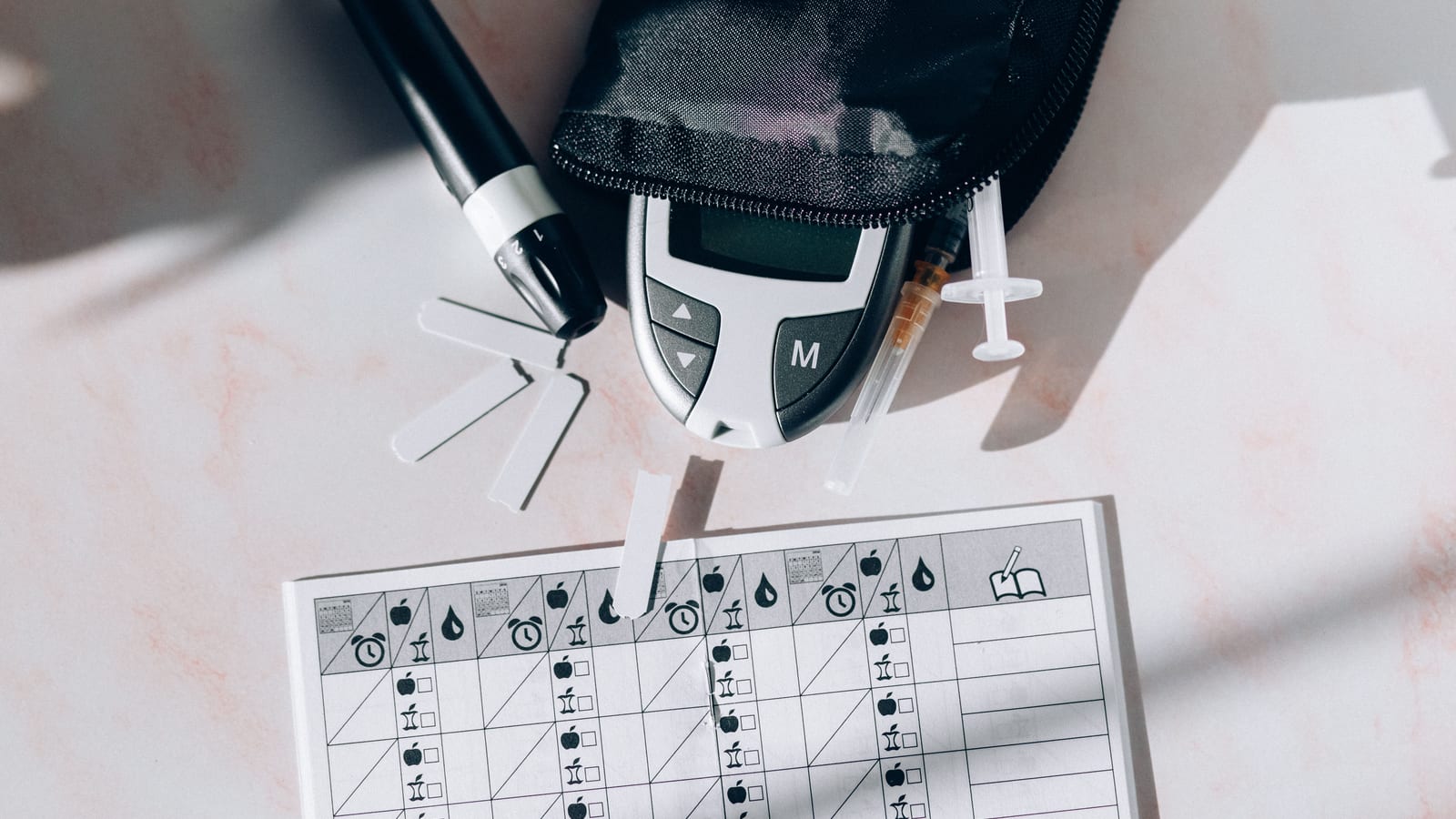
If you have spent any time researching weight-loss medications, you have probably run into a confusing fact: Ozempic and Wegovy are the exact same drug. Both are semaglutide. Yet your doctor might prescribe one and not the other, your insurance might cover one and deny the other, and the price difference can be hundreds of dollars a month.
So what actually separates them? The short answer is the FDA approval each one carries, the maximum dose, and the packaging. Everything else under the hood is identical semaglutide.
This guide breaks down the real differences so you can have a smarter conversation with your prescriber and avoid paying for the wrong label.
Quick takeaway: Ozempic and Wegovy are both semaglutide made by Novo Nordisk. Ozempic is FDA-approved for type 2 diabetes (max 2.0 mg weekly); Wegovy is approved for chronic weight management (max 2.4 mg weekly). The molecule is the same, but the approved use, top dose, and insurance pathway differ. Which one fits depends on your diagnosis, coverage, and goals.
Are Ozempic and Wegovy the same drug?
Yes. Both Ozempic and Wegovy contain semaglutide, a GLP-1 receptor agonist made by Novo Nordisk. A GLP-1 receptor agonist is a medication that mimics a gut hormone your body releases after eating; it slows stomach emptying, reduces appetite, and helps regulate blood sugar.
The active ingredient is chemically identical. What differs is how each product is branded, dosed, and approved. Ozempic was approved first, in 2017, for type 2 diabetes. Wegovy followed in 2021, approved specifically for weight management at a higher top dose.
Ozempic vs Wegovy at a glance
| Factor | Ozempic | Wegovy |
|---|---|---|
| Active ingredient | Semaglutide, a GLP-1 receptor agonist made by Novo Nordisk | Semaglutide, a GLP-1 receptor agonist made by Novo Nordisk |
| FDA-approved use | FDA-approved for type 2 diabetes | FDA-approved for chronic weight management |
| Maximum weekly dose | Maxes at 2.0 mg weekly | Up to 2.4 mg weekly |
| Injection device | Multi-dose pen with a dial to set the dose | Historically single-dose pens, one pen per injection at a fixed dose |
| Insurance coverage | Insurers frequently cover it with a type 2 diabetes diagnosis | Many plans exclude it or require prior authorization and documented BMI criteria |
| Side effects | Same profile — the drug is the same | Same profile — the drug is the same |
What is each one FDA-approved for?
This is the core distinction. Ozempic is FDA-approved to improve blood sugar in adults with type 2 diabetes, and to reduce the risk of major cardiovascular events in adults with type 2 diabetes and known heart disease. Wegovy is FDA-approved for chronic weight management in adults and adolescents 12 and older who meet specific BMI criteria, and it also carries a cardiovascular risk-reduction indication in adults with established heart disease who are overweight or obese.
In plain terms: Ozempic’s label is built around diabetes. Wegovy’s label is built around weight loss. That single difference drives almost everything else, from dosing to what your insurance will pay for.
How do the doses differ?
Both start low and titrate up slowly to limit nausea, but they top out at different doses. Ozempic’s maximum approved dose is 2.0 mg once weekly. Wegovy goes higher, to a maximum of 2.4 mg once weekly. The higher ceiling is part of why Wegovy is the version studied and approved for weight management.
How much weight can you lose on Wegovy?
In the STEP 1 trial, the pivotal study behind Wegovy’s weight-loss approval, adults with overweight or obesity who took 2.4 mg semaglutide alongside lifestyle changes lost about 15% of their body weight on average at 68 weeks, compared with roughly 2.4% in the placebo group (PubMed ID 33567185).
That is a meaningful result for a medication, though individual outcomes vary widely. Diet, activity, dose tolerance, and consistency all influence how much any one person loses. Medication works best as one part of a structured program, not as a standalone fix.
Why do doctors sometimes prescribe Ozempic for weight loss?
Because it is the same molecule, some clinicians prescribe Ozempic off-label for weight loss. Off-label means using an approved drug for a purpose the FDA has not specifically approved, which is legal and common in medicine. This often happens when Wegovy is out of stock or when a patient’s insurance covers Ozempic but not Wegovy.
The catch is the dose ceiling: Ozempic maxes at 2.0 mg, so it cannot reach Wegovy’s 2.4 mg. For many people the difference is modest, but it is worth discussing with your prescriber.
Which one does insurance cover, and what does it cost?
Coverage is the most frustrating part for most patients. Insurers frequently cover Ozempic for people with a type 2 diabetes diagnosis, while many plans exclude weight-loss drugs like Wegovy entirely or require prior authorization and documented BMI criteria.
Without coverage, both carry a list price in the four-figures-per-month range, though manufacturer savings programs and compounded alternatives can lower the cost for eligible patients. Pricing and coverage shift often, so verify current details with your plan and pharmacy. At our clinic we review your coverage and discuss brand versus compounded options during your consultation.
Do they have different side effects?
Because the drug is the same, the side-effect profile is the same. The most common effects are gastrointestinal: nausea, diarrhea, constipation, and vomiting, especially during dose increases. Most ease as your body adjusts. Slow titration and the right food choices reduce these significantly.
Semaglutide carries a boxed warning about a risk of thyroid C-cell tumors seen in rodents; it should not be used by people with a personal or family history of medullary thyroid carcinoma or MEN 2. A qualified clinician will screen for these before prescribing.
How do they compare to Zepbound and tirzepatide?
Semaglutide is not the only option. Tirzepatide, sold as Mounjaro for diabetes and Zepbound for weight loss, is a dual GLP-1 and GIP receptor agonist that has shown even greater average weight loss in trials. If you are weighing semaglutide against tirzepatide, our guides on Zepbound vs Wegovy and semaglutide vs tirzepatide walk through the differences in detail.
How do you take each one, and is the injection different?
Both are once-weekly injections you give yourself under the skin of the abdomen, thigh, or upper arm, and you can rotate sites week to week. The needles are small, and most people describe the injection as a quick pinch rather than something painful. You can take either one with or without food, on whatever day works best, as long as you keep it consistent.
The pens themselves differ. Ozempic uses a multi-dose pen that delivers several weekly doses from one device, with a dial to set the dose. Wegovy has historically come as single-dose pens, one pen per injection at a fixed dose. That difference is part of why you cannot simply swap one pen for the other; your clinician matches the right device to your dose.
Who is a good candidate for semaglutide?
Eligibility depends on which product and which goal. For weight management with Wegovy, candidates are generally adults with a BMI of 30 or higher, or a BMI of 27 or higher with a weight-related condition such as high blood pressure, type 2 diabetes, or high cholesterol. There is also an approved use in adolescents 12 and older who meet specific criteria. For Ozempic, the on-label candidate is an adult with type 2 diabetes.
Beyond the numbers, a good candidate is someone ready to pair the medication with lasting habit changes and regular follow-up. Semaglutide is not a fit for everyone. People with a personal or family history of medullary thyroid carcinoma or MEN 2, certain pancreatitis histories, or who are pregnant should not use it. A proper evaluation sorts this out before you start.
What about availability and shortages?
Supply has been a real-world factor with both products. Periods of high demand have led to intermittent shortages of certain doses, which is one reason clinicians sometimes switch a patient between Ozempic and Wegovy, or to a compounded alternative, to keep treatment going. Compounded semaglutide is prepared by a licensed pharmacy and can be more affordable, but quality and sourcing vary, so it should only come through a reputable clinic.
If availability or cost is your main hurdle, that is worth raising directly at your consultation. We help patients weigh brand versus compounded options and keep a plan moving rather than stalling between refills.
Are these long-term medications or a short-term fix?
For most people, semaglutide is a long-term treatment rather than a quick course. Obesity and type 2 diabetes are chronic conditions, and the medication manages them the same way blood-pressure medicine manages hypertension: it works while you take it. When people stop, appetite tends to return and some weight regain is common, which is why clinicians usually plan for maintenance from the start.
That does not always mean staying at the top dose forever. Some patients move to a lower maintenance dose once they reach their goal, and ongoing lifestyle work, protein-forward eating, resistance training, and good sleep, does a lot of the heavy lifting in holding results. The point is to think in terms of a durable plan, not a finish line.
What does the heart-health evidence show?
Semaglutide’s benefits may extend beyond weight and blood sugar. In the SELECT trial, adults with established cardiovascular disease and overweight or obesity, but without diabetes, who took 2.4 mg semaglutide had a lower rate of major cardiovascular events than those on placebo (PubMed ID 37952131). That finding supported a cardiovascular risk-reduction indication for the weight-management formulation.
This is one reason your clinician looks at your full health picture, not just the scale, when deciding whether semaglutide is appropriate and which product fits. The right choice balances weight goals, metabolic health, and heart-disease risk together.
How should you decide between them?
The honest answer is that the decision rarely comes down to the molecule, since it is identical. It comes down to three practical questions: What is your diagnosis? What does your insurance actually cover? And what is your goal, blood-sugar control, weight loss, or both? Walking through those with a clinician points you to the right label faster than comparing brand names online.
- Have type 2 diabetes? Ozempic is the on-label choice and is more likely to be covered.
- Primary goal is weight loss without diabetes? Wegovy is the on-label option, with the higher 2.4 mg ceiling.
- Coverage denied for weight-loss drugs? Ask about off-label Ozempic or a compounded semaglutide option.
FAQ
Can I switch from Ozempic to Wegovy?
Often yes, but your clinician will match your current dose and may adjust the titration. Never switch on your own; the pens and dosing are different, so coordinate the transition with your prescriber.
Is Wegovy stronger than Ozempic?
Not in chemistry, since both are semaglutide. Wegovy simply reaches a higher maximum dose, 2.4 mg versus 2.0 mg. At equal doses they behave the same way in the body.
Do I need diabetes to take Ozempic?
Ozempic is FDA-approved for type 2 diabetes, but clinicians may prescribe it off-label for weight loss. Whether that is appropriate for you depends on your health history and a clinical evaluation.
Can I drink alcohol on either medication?
Alcohol is not strictly forbidden, but it can worsen nausea and lower blood sugar. Many people find their tolerance drops. Drink in moderation and discuss it with your provider, especially if you take other medications.
What happens if I stop taking semaglutide?
Appetite often returns and some weight regain is common after stopping, which is why these are typically viewed as long-term treatments. A maintenance plan and lifestyle support help preserve your results.
How long until I see results?
Many people notice reduced appetite within the first few weeks, but meaningful weight loss builds over months as the dose increases. Trial results were measured at 68 weeks, so think in terms of a long-term plan, not weeks.
Not sure which one is right for you?
The right choice depends on your diagnosis, your insurance, and your goals, not on which name you have heard most. Our clinicians review your history, check your coverage, and build a GLP-1 plan around you. Start with our GLP-1 weight-loss guide or book a consultation to talk through your options.
Explore our GLP-1 program
Related treatments at our Mission Viejo clinic
Not sure which treatment fits? These are the related services our clinicians most often discuss at a consultation.
- Semaglutide Injections in Orange County, CA, Medically supervised Semaglutide weight loss injections in Mission Viejo, serving Orange County.
- GLP-1 Weight Loss Orange County, Explore GLP1 for Weight Loss in Orange County.
- Medical Weight Loss Orange County, Clinician-supervised medical weight loss in Mission Viejo, CA.
References
- Once-Weekly Semaglutide in Adults with Overweight or Obesity — N Engl J Med 2021, via PubMed
- Pharmacological management of obesity: an endocrine Society clinical practice guideline — J Clin Endocrinol Metab 2015, via PubMed