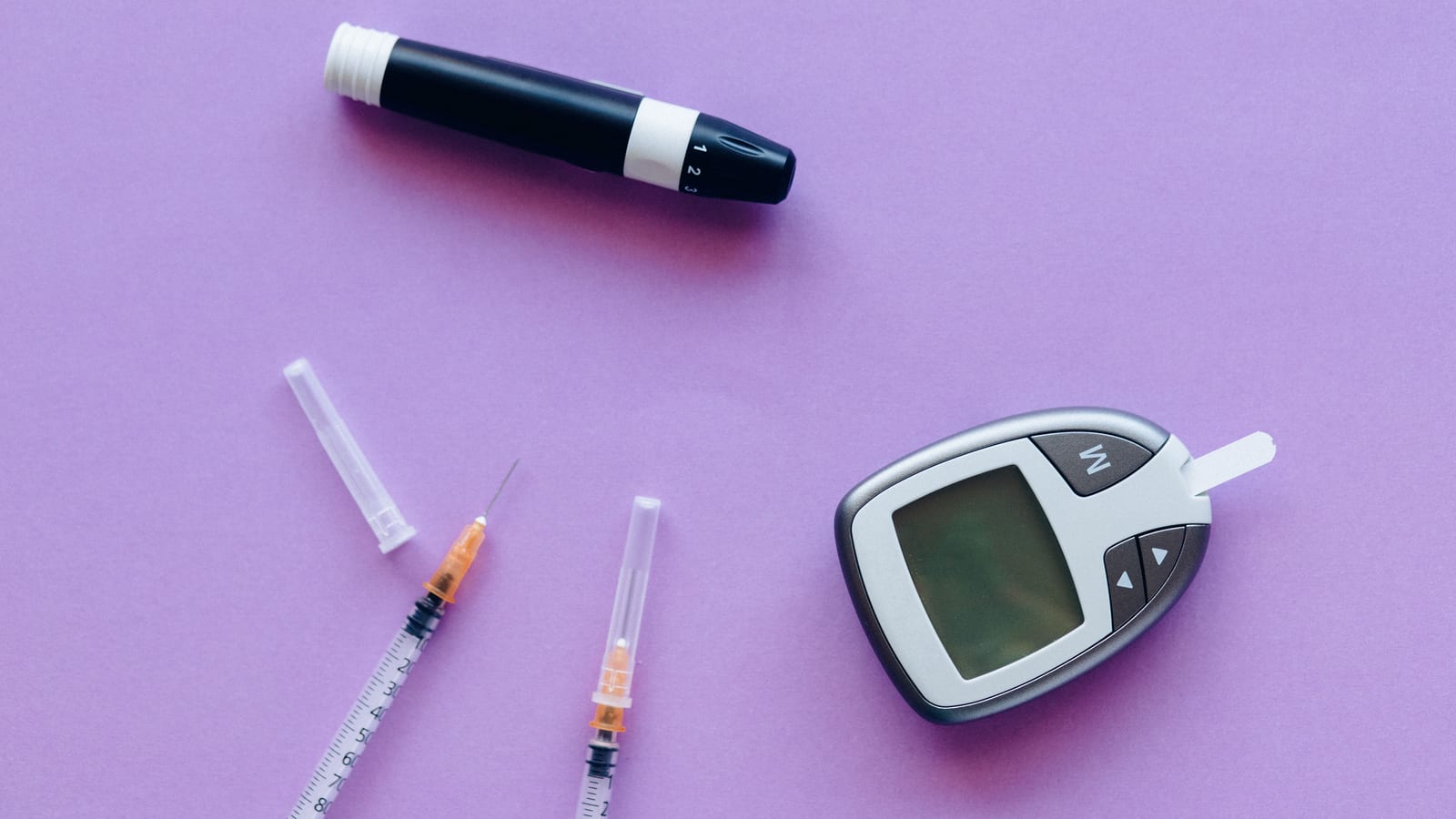
Short answer: Zepbound (tirzepatide) tends to produce larger average weight loss than Wegovy (semaglutide) at the highest approved doses, 20.9% versus 14.9% in their pivotal trials, but both are highly effective, both are once-weekly injections, and the right choice usually comes down to insurance coverage, side-effect tolerance, and whether you also have a cardiovascular indication. We walk through the head-to-head data and the practical tradeoffs below.
Patients ask about Zepbound vs Wegovy at almost every new-patient visit. Both are FDA-approved for chronic weight management. Both work. They are not, however, the same medication, and the differences matter when you are deciding what to ask your insurance to cover or what to pay for cash. This guide walks through the head-to-head data, side effects, cost, and the framework we use in clinic. For broader context start with our GLP-1 weight loss guide.
What are Zepbound and Wegovy?
Zepbound is the brand name for tirzepatide approved for chronic weight management. Tirzepatide is a dual GLP-1 + GIP receptor agonist developed by Eli Lilly. It was FDA-approved as Zepbound for obesity in November 2023; the same molecule is also sold as Mounjaro for type-2 diabetes.
Wegovy is the brand name for semaglutide 2.4 mg approved for chronic weight management. Semaglutide is a single GLP-1 receptor agonist developed by Novo Nordisk. It was FDA-approved as Wegovy for obesity in June 2021; the same molecule at lower doses is sold as Ozempic for type-2 diabetes and Rybelsus as an oral form.
Both medications are once-weekly subcutaneous injections you give yourself at home, both require slow dose titration over 4–5 months, and both are intended for long-term use under clinician supervision.
How do Zepbound and Wegovy work?
Wegovy mimics one hormone: GLP-1 (glucagon-like peptide-1). It slows stomach emptying, reduces hunger signals in the brain, and improves insulin sensitivity.
Zepbound mimics two hormones: GLP-1 and GIP (glucose-dependent insulinotropic polypeptide). The GIP activity appears to enhance fat metabolism and may modify how the body responds to GLP-1, which is one of the leading explanations for the larger average weight loss seen with tirzepatide. For a deeper comparison of the molecules see semaglutide vs tirzepatide.
What do the trials show?
Each medication has a flagship trial for obesity:
- STEP-1 (semaglutide): 1,961 adults with BMI 30+ (or 27+ with a comorbidity), no diabetes. At 68 weeks, mean weight loss was 14.9% on semaglutide 2.4 mg vs 2.4% on placebo (STEP-1, NEJM 2021).
- SURMOUNT-1 (tirzepatide): 2,539 adults with BMI 30+ (or 27+ with a comorbidity), no diabetes. At 72 weeks, mean weight loss was 15.0% on 5 mg, 19.5% on 10 mg, and 20.9% on 15 mg vs 3.1% on placebo (SURMOUNT-1, NEJM 2022).
A 2024 head-to-head trial (SURMOUNT-5) directly compared tirzepatide 15 mg to semaglutide 2.4 mg in adults with obesity without diabetes. Tirzepatide produced significantly greater weight loss than semaglutide (roughly 20.2% vs 13.7% over 72 weeks, depending on the analysis).
One important note: STEP-1 enrollment was longer-term and Wegovy has additional cardiovascular outcomes data. In the SELECT trial, semaglutide reduced major adverse cardiovascular events (MACE) by 20% in adults with established cardiovascular disease and overweight/obesity (SELECT, NEJM 2023). Tirzepatide’s cardiovascular-outcomes trial (SURPASS-CVOT) is still ongoing. If you have established cardiovascular disease, that data point may push the decision toward Wegovy.
Side-by-side comparison
| Factor | Zepbound (tirzepatide) | Wegovy (semaglutide) |
|---|---|---|
| Drug class | Dual GLP-1 + GIP agonist | GLP-1 agonist only |
| Manufacturer | Eli Lilly | Novo Nordisk |
| FDA approval (obesity) | November 2023 | June 2021 |
| Dosing | Once weekly, 2.5 – 15 mg | Once weekly, 0.25 – 2.4 mg |
| Average weight loss (max dose) | ~20.9% at 72 weeks (SURMOUNT-1) | ~14.9% at 68 weeks (STEP-1) |
| % reaching 5%+ loss (max dose) | ~91% | ~86% |
| Most common side effect | Nausea (~28%) | Nausea (~44%) |
| CV outcomes evidence | Ongoing (SURPASS-CVOT) | Established (SELECT trial) |
| Brand cash price (2026) | ~$1,000-1,300/mo retail; LillyDirect vials $349-549 | ~$1,300-1,500/mo retail; NovoCare vials ~$499 |
| Pen format | Single-dose pen or vial | Multi-dose pen |
What are the side-effect differences?
Both medications cause similar categories of side effects. They are both GLP-1 agonists, but the intensity and pattern can differ.
- Nausea: More patients on Wegovy reported nausea in trial data (around 44%) than on Zepbound (around 28%), though Zepbound’s GI side effects tend to be more pronounced in the first week after each dose increase.
- Diarrhea: Roughly 22% on Zepbound, 30% on Wegovy.
- Constipation: Roughly 17% on Zepbound, 24% on Wegovy.
- Vomiting: Roughly 10% on Zepbound, 25% on Wegovy. This is the gap most clinicians notice in practice.
- Injection-site reactions: Slightly more common with Wegovy’s multi-dose pen than Zepbound’s single-dose format.
Rare but serious side effects, pancreatitis, gallbladder disease, severe hypoglycemia in patients on insulin or sulfonylureas, exist for both medications and are managed with the same clinical vigilance. We cover the full picture in tirzepatide side effects guide.
How does cost compare in 2026?
Cost in 2026 depends on three things: insurance coverage, brand vs compounded, and whether the manufacturer’s direct-to-consumer program fits your needs.
- Brand retail: Wegovy lists slightly higher than Zepbound at most pharmacies. Real-world cash prices land around $1,300–1,500/month for Wegovy and $1,000–1,300/month for Zepbound.
- Direct-to-consumer: Eli Lilly’s LillyDirect sells single-dose Zepbound vials of 2.5 mg and 5 mg for around $349–549/month when paid cash. Novo Nordisk’s NovoCare offers Wegovy vials at around $499/month for cash-paying patients. Both programs change pricing periodically.
- Commercial insurance: Both medications may be covered if your plan includes weight-loss medications. Prior authorization is typical, BMI threshold and documented prior attempts. Co-pays range from $25 to retail.
- Medicare: Neither is covered for weight loss as of mid-2026, though Wegovy received a Medicare carve-out for cardiovascular risk reduction in adults with established heart disease.
- Compounded options: Compounded tirzepatide and semaglutide exist at roughly $250–600/month depending on dose. The regulatory picture is evolving, read compounded tirzepatide vs brand before deciding.
How is insurance coverage different?
Coverage is a moving target. As of 2026, the patterns we see most often:
- Employer plans that cover Zepbound usually also cover Wegovy, but not always at parity. Tier placement and co-pay can differ.
- Some plans that exclude weight-loss drugs will still cover Wegovy for cardiovascular risk reduction following the SELECT data.
- Prior-authorization documentation usually includes: BMI ≥ 30 (or ≥ 27 with a comorbidity), documented prior weight-loss attempts, and absence of contraindications.
- Patients with self-funded employer plans should ask HR whether anti-obesity medications are included, many plans add or remove them at the annual renewal.
How should I think about switching?
Switching between Zepbound and Wegovy is reasonable in three scenarios:
- Plateau after meaningful loss. If you have lost 10–15% on Wegovy and progress has stalled at the max dose, switching to Zepbound and slowly titrating may unlock further loss.
- Side-effect intolerance. If GI symptoms remain severe on Wegovy at any dose, some patients tolerate Zepbound better (or vice versa).
- Cost or access reasons. Coverage changes, supply changes, or pricing changes may make one preferable for an individual.
Switching is not as simple as substituting one for the other. We restart titration at the lower starting dose of the new drug for at least 4 weeks regardless of where the patient was on the previous medication. Skipping this step almost guarantees severe GI side effects.
Who should choose which?
There is no universally correct answer. Practical heuristics we use:
- You have established cardiovascular disease: Lean toward Wegovy. The SELECT trial supports MACE reduction, and your insurance may cover it for that indication.
- You want the largest average effect on weight: Lean toward Zepbound. Head-to-head and indirect comparisons favor it on weight loss.
- You have a strong history of nausea: Lean toward Zepbound. Lower nausea and vomiting rates in trial data.
- Your insurance covers one but not the other: Start with the covered one. Both work.
- You want the simpler injection device: Zepbound single-dose pens are slightly easier to use for many patients than Wegovy’s multi-dose pen.
FAQ
Is Zepbound always better than Wegovy?
On average, Zepbound produces more weight loss at the highest dose. But “better” depends on the patient, Wegovy has stronger cardiovascular outcomes data, fewer first-week GI flares for some patients, and may be the only one their insurance covers.
Can you take Zepbound and Wegovy together?
No. Both activate the GLP-1 receptor and combining them would produce dangerous overlap. Use one or the other, not both.
Which is cheaper?
At retail, Zepbound averages slightly less than Wegovy. With insurance, it depends on your plan’s tier placement. Direct-to-consumer cash programs from both manufacturers narrow the gap considerably.
How long until you see results on either?
Most patients lose 2–5 lb in the first month at the starter dose. Meaningful results (8–12% of body weight) typically show by month 4–6 as the dose reaches therapeutic levels. Both medications reach maximum effect around month 12–18.
What happens if you stop either drug?
Most patients regain a substantial portion of lost weight within 12 months of stopping. Obesity is a chronic condition; current best practice is long-term treatment with a maintenance dose, combined with protein-forward nutrition and strength training.
Are compounded versions of either safe?
Compounded versions exist for both molecules. The safety profile depends entirely on the compounding pharmacy, the source ingredient, and clinician oversight. The FDA regulatory picture continues to evolve, choose a 503A or 503B pharmacy with verifiable sourcing.
Does either drug treat diabetes?
Zepbound and Wegovy are FDA-approved for chronic weight management, not diabetes. Their sister products, Mounjaro and Ozempic, contain the same molecules at different doses and are FDA-approved for type-2 diabetes.
Talk to a clinician at OC Weight Loss and Medspa
The right choice between Zepbound and Wegovy comes down to your insurance, your medical history, and your goals. Our clinicians review all three at your intake visit. Learn more about our GLP-1 weight loss program.
Book a free consultation
Related treatments at our Mission Viejo clinic
Not sure which treatment fits? These are the related services our clinicians most often discuss at a consultation.
- Semaglutide Injections in Orange County, CA, Medically supervised Semaglutide weight loss injections in Mission Viejo, serving Orange County.
- GLP-1 Weight Loss Orange County, Explore GLP1 for Weight Loss in Orange County.
- Medical Weight Loss Orange County, Clinician-supervised medical weight loss in Mission Viejo, CA.
References
- Continued Treatment With Tirzepatide for Maintenance of Weight Reduction in Adults With Obesity: The SURMOUNT-4 Randomized Clinical Trial — JAMA 2024, via PubMed
- Pharmacological management of obesity: an endocrine Society clinical practice guideline — J Clin Endocrinol Metab 2015, via PubMed