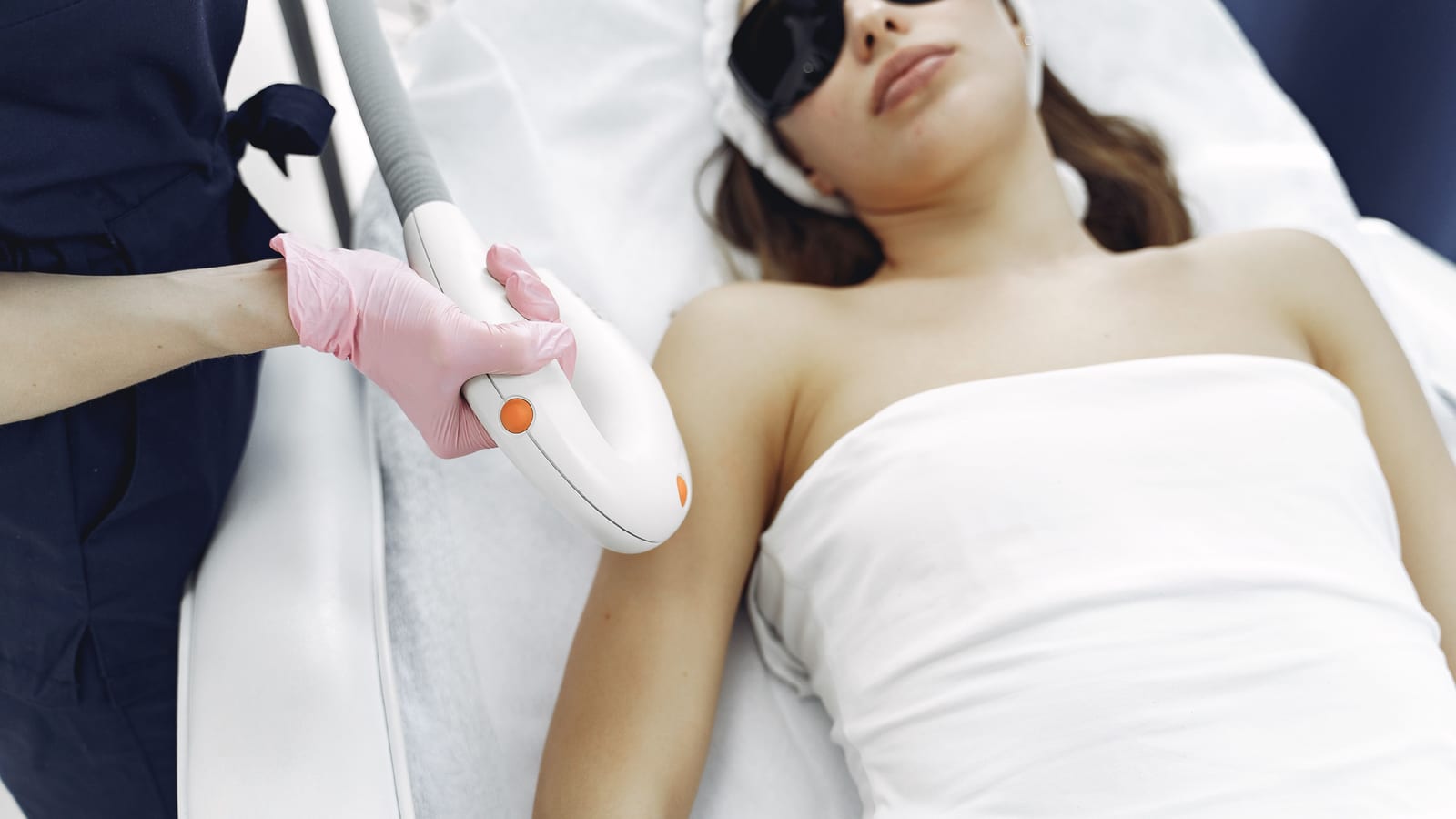
“Body contouring” is one of the most-marketed and least-understood categories in aesthetic medicine. Patients usually arrive at a consult with one of three things confused: they think contouring will help them lose weight, they think a single session will reshape an entire abdomen, or they assume CoolSculpting is the only option. None of those are correct.
Body contouring is the precise opposite of weight loss. It targets pinchable, exercise-resistant deposits of fat in someone who is already at or near a healthy weight. It works by reducing fat-cell number in a defined area, not by shrinking cells temporarily. Done well, results are durable. Done in the wrong patient, results are disappointing.
This guide walks through every meaningful non-surgical contouring modality available in 2026, what each does well, where each falls short, what they cost in Orange County, and how to choose. If your goal is overall weight loss, your starting point is a different conversation, see our GLP-1 weight loss guide or medical weight loss injections guide.
The short version: Body contouring permanently reduces fat-cell number in defined areas. CoolSculpting (cryolipolysis) freezes fat to trigger cell death. Emsculpt and Emsculpt Neo use focused electromagnetic energy to build muscle and, in the Neo version, also reduce fat. Trusculpt iD uses radiofrequency to heat and destroy fat cells. Kybella is an injectable that dissolves fat under the chin. None of these are weight-loss treatments. The right candidate is at or near goal weight with localized stubborn deposits, willing to wait 2–4 months for visible change, and choosing a clinic that owns the right device and matches it to the right concern.
What’s in this guide
- Fat reduction vs weight loss
- CoolSculpting (cryolipolysis)
- Emsculpt and Emsculpt Neo
- Trusculpt iD and Trusculpt Flex
- Kybella for the double chin
- Comparison: which device for which goal
- Treatment areas
- Sessions and results timeline
- Risks, including paradoxical adipose hyperplasia
- Who is a candidate
- Cost in 2026
- FAQ
Fat reduction vs weight loss
This is the single most important distinction in this guide. Weight loss reduces the size of fat cells across your whole body. Body contouring reduces the number of fat cells in a single area. The mechanisms are different, the expectations should be different, and mixing them up is the most common reason patients are unhappy with their results.
An adult body has roughly 30–50 billion fat cells. That number is mostly set by adolescence. When you gain weight, the existing cells get bigger; when you lose weight, the cells shrink, but the count stays roughly stable. Contouring devices kill a fraction of cells in a treated area, typically 20–30% per session, permanently lowering the count in that spot.
What that means practically: contouring is precise, local, and durable. It is not a way to drop a clothing size overall. If your goal is to drop 30 pounds, the right tool is a structured weight-loss program (often a GLP-1) plus exercise and nutrition. Once you are at or near your goal, contouring becomes a reasonable consideration for the spots that don’t respond to anything else.
CoolSculpting (cryolipolysis)
CoolSculpting (Allergan / AbbVie) is the original FDA-cleared cryolipolysis platform. It received its first FDA clearance in 2010 and has been the most-studied non-surgical fat-reduction device. The principle is straightforward: fat cells are more sensitive to cold than the skin, nerves, or blood vessels surrounding them. A controlled cold exposure crystallizes the lipids inside fat cells, triggers apoptosis (programmed cell death), and the body clears the dead cells over the following weeks.
A typical session: a vacuum applicator is placed over the target area. Most patients describe an intense cold and pulling sensation for the first 5–10 minutes, which then numbs out. Each cycle runs 35–75 minutes depending on applicator size. After the cycle, the technician massages the area for two minutes, a step that has been shown to improve results.
Studies consistently show 20–25% reduction in fat-layer thickness per cycle in treated areas. A randomized trial published in Plastic and Reconstructive Surgery documented the durability of cryolipolysis outcomes and confirmed visible reduction at 4 months (Ingargiola et al., 2015). FDA clearance has expanded over time to include flank, abdomen, thigh, submental (under-chin), upper arm, and back areas.
What CoolSculpting does well
- Pinchable subcutaneous fat in stable-weight patients
- Areas where the applicator can suction or contact properly, flanks, lower abdomen, inner thighs, banana roll under the buttock
- The double chin (CoolMini applicator), a workhorse use case; see CoolSculpting for the submental chin
What it doesn’t do
- Doesn’t reduce visceral fat (deep abdominal fat behind the muscle)
- Doesn’t tighten skin, if loose skin is the issue, RF microneedling or surgical excision are better
- Doesn’t replicate liposuction’s contouring control, for sharp definition, see CoolSculpting vs liposuction
Emsculpt and Emsculpt Neo
Emsculpt (BTL) takes the opposite approach: instead of removing fat, it builds muscle. The technology is HIFEM, high-intensity focused electromagnetic energy, which induces supramaximal contractions that no voluntary workout can match. A 30-minute session forces roughly 20,000 contractions in the treated muscle group.
The original FDA-cleared use is abdomen and buttocks; clearance has expanded to arms, calves, and thighs. Patients typically run 4 sessions over 2 weeks, then maintenance every 2–3 months. Reasonable expectations: meaningful improvement in muscle definition and tone, a measurable reduction in waist circumference for many patients, and modest fat reduction (Emsculpt original is primarily a muscle-building device).
Emsculpt Neo adds radiofrequency heating to the same applicator, doing both jobs simultaneously: muscle building plus fat reduction in one session. For patients who want both, Neo is the upgrade. For patients who already have low body-fat and want only muscle, the original Emsculpt is sufficient.
For a head-to-head with cryolipolysis, see CoolSculpting vs Emsculpt. The short version: they answer different questions. CoolSculpting reduces fat. Emsculpt builds muscle. Many patients benefit from doing both in sequence.
Trusculpt iD and Trusculpt Flex
Trusculpt iD (Cutera) uses monopolar radiofrequency to heat fat to a temperature that triggers cell death, thermolipolysis rather than cryolipolysis. Six handpieces are placed simultaneously, allowing larger areas to be treated in 15 minutes. Skin heating is part of the experience; many patients report a modest tightening effect alongside the fat reduction.
Trusculpt Flex is the muscle-building counterpart, using directed electrical stimulation to contract muscles in three different patterns (prep, tone, sculpt). It competes with Emsculpt in the muscle-building category.
Where Trusculpt iD shines: areas with diffuse, less-pinchable fat that doesn’t suction well into a CoolSculpting applicator, for example, broad abdominal areas in patients who don’t have the kind of discrete fat roll cryolipolysis grabs cleanly. The technology has its own FDA clearance for fat reduction (FDA aesthetic devices).
Kybella for the double chin
Kybella (deoxycholic acid) is an injectable that dissolves fat. FDA-approved in 2015 for submental (under-chin) fullness, it is the only injectable fat-reduction product with full FDA approval. Deoxycholic acid is a naturally occurring molecule the body uses to break down dietary fats; the synthetic version, injected directly into a fat pad, lyses fat-cell membranes and the body clears the resulting debris.
A typical course: 2–4 sessions, 4–6 weeks apart. Each session takes 15–30 minutes and involves a grid of small injections in the submental area. Swelling is significant for 3–7 days, the chin and jaw look puffier before they look slimmer. Bruising and tenderness for 1–2 weeks. Results build over 2–3 months.
Kybella shines in the right patient: discrete submental fat, good skin elasticity, and willingness to tolerate the swelling timeline. For patients with poor skin elasticity, CoolSculpting CoolMini may produce a smoother result; for very small fat pads, Kybella’s precision is hard to beat.
Comparison: which device for which goal
| Goal | Best fit | Why |
|---|---|---|
| Pinchable flank or “muffin top” | CoolSculpting | Suction applicator grabs the roll cleanly |
| Lower abdomen pooch | CoolSculpting or Trusculpt iD | Both work; iD covers larger area in one visit |
| Diffuse non-pinchable abdominal fat | Trusculpt iD | RF heats tissue without needing suction |
| Visible six-pack / muscle tone | Emsculpt or Emsculpt Neo | Builds muscle, reduces visceral component |
| Both fat reduction and muscle gain | Emsculpt Neo | Combined RF + HIFEM in one applicator |
| Double chin, discrete fat pad | Kybella | Precise injection, FDA-approved indication |
| Double chin, broader fullness | CoolSculpting CoolMini | Treats wider area without injection |
| Loose skin, no significant fat | RF microneedling, not contouring | Different mechanism — skin tightening, not fat removal |
| 30+ lb weight loss goal | Medical weight loss program | Contouring is for stable-weight patients only |
Treatment areas
The most-treated body-contouring areas, with realistic expectations for each:
- Abdomen. Lower abdomen “pooch” responds well to CoolSculpting; broader upper-abdomen fat tends to do better with Trusculpt iD. Add Emsculpt for muscle definition.
- Flanks (love handles). Classic CoolSculpting territory.
- Inner thighs. Pinchable inner-thigh fat suctions well into CoolSculpting applicators.
- Outer thighs (saddlebags). Trusculpt iD often handles this area better than CoolSculpting because the fat is broader and less pinchable.
- Submental (double chin). CoolSculpting CoolMini or Kybella, depending on fat distribution and skin tone.
- Upper arms. CoolSculpting Petite or Trusculpt iD, often combined with RF microneedling for skin tone.
- Back / bra-line fat. CoolSculpting works well here.
- Buttocks. Emsculpt for lift and tone, not for fat reduction (that would defeat the purpose).
Sessions and results timeline
Realistic timing for each modality:
- CoolSculpting: 1–2 cycles per area for the first round. First visible change at 3 weeks, fuller result at 8–12 weeks. A second round can be added at 12 weeks if more reduction is wanted.
- Emsculpt / Emsculpt Neo: 4 sessions over 2 weeks for the initial course. Visible muscle and circumference change at 4–6 weeks. Maintenance every 2–3 months.
- Trusculpt iD: 1–2 sessions per area, 6–8 weeks apart. Final results at 12 weeks.
- Kybella: 2–4 sessions, 4–6 weeks apart. Significant swelling first 5–7 days each session. Final result at 8–12 weeks after last injection.
The single most common reason patients are dissatisfied is judging results too early. Cryolipolysis takes weeks for the body to clear killed fat cells. The 8–12 week mark is when honest comparison photos make sense.
Risks, including paradoxical adipose hyperplasia
Most contouring procedures have a generally favorable safety profile. The risks worth understanding upfront:
Common, expected effects
- CoolSculpting: redness, swelling, bruising, temporary numbness lasting 2–4 weeks, occasional sharp tingling as nerves recover.
- Emsculpt: muscle soreness for 1–2 days, the same kind of soreness you’d get after a hard new workout.
- Trusculpt iD: warmth, mild redness, occasionally small palpable lumps that resolve over weeks.
- Kybella: significant swelling, bruising, tenderness, occasional numbness in the chin lasting weeks.
Paradoxical adipose hyperplasia (PAH), the one to actually understand
PAH is a rare delayed reaction to cryolipolysis where the treated fat enlarges instead of shrinking. The original published incidence was around 0.05% (about 1 in 2,000), although some later case series have suggested higher real-world rates, particularly in male patients and certain anatomic sites. PAH typically presents 2–5 months after a session as a firm, well-demarcated mass in the treated area.
It is not dangerous, but it does not self-resolve. The standard treatment is liposuction once the affected tissue has fully matured. We discuss this risk explicitly during CoolSculpting consults, and we ask patients to alert us if any treated area increases in firmness or volume in the months after a session.
Less common but worth mentioning
- Late-onset pain syndrome after cryolipolysis (uncommon, usually resolves)
- Frostbite if applicator gel pad is improperly placed (rare with current generations of devices)
- Marginal mandibular nerve weakness with Kybella if injected too superficially or outside the safe zone, usually resolves but can affect smile symmetry for weeks
Who is a candidate
The ideal contouring patient:
- Body mass index roughly under 30 (and ideally under 27 for the cleanest results)
- Stable weight for at least 3–6 months
- Localized, exercise-resistant fat in defined areas
- Realistic expectations, 20–25% reduction per cycle, not surgical-grade contouring
- Willing to wait 2–3 months between sessions and judge results at 12 weeks
- Healthy enough for the procedure (no cold-related disorders for cryolipolysis, cold urticaria, cryoglobulinemia, paroxysmal cold hemoglobinuria are absolute contraindications)
Not appropriate: patients seeking weight loss, patients with significant skin laxity (unless paired with skin tightening), pregnancy, and patients with the rare cold-sensitive conditions noted above.
Cost in 2026
Orange County 2026 ranges, per session:
- CoolSculpting, single small applicator (e.g., CoolMini for chin): $700–$1,200
- CoolSculpting, single standard applicator (flank, abdomen): $750–$1,500
- CoolSculpting, full abdomen (typically 2–4 applicator placements): $2,500–$5,000 per round
- Emsculpt, four-session course of one area: $3,000–$4,500
- Emsculpt Neo, four-session course of one area: $4,000–$5,500
- Trusculpt iD, single session of one area: $1,500–$2,500
- Kybella, per session: $1,200–$1,800 (typically 2–4 sessions)
Honest contouring is not a low-budget category. The devices are expensive (often six figures to acquire), the consumables (applicator gel pads, Kybella vials) are real costs, and meaningful results usually require multiple sessions or multiple applicator placements per area. A clinic offering CoolSculpting at half the market rate is either using counterfeit applicators (which exist) or making it up on the back end with required add-ons.
What to do after a contouring session
The aftercare instructions for non-surgical contouring are mostly common sense, but a few details matter. After CoolSculpting, the treated area is numb and firm for a few weeks; that is expected. Light activity is fine the same day. Massaging the area in the first week may help break up the firmness and improve outcome. Avoid hot tubs, intense sauna sessions, and direct heat to the area for a week. Hydrate generously, the lymphatic system has to clear destroyed fat cells, and it works better when you are well hydrated.
After Emsculpt or Emsculpt Neo, the soreness lasts a day or two and resembles a hard new workout. Continued exercise between sessions amplifies results. After Kybella, plan for visible swelling for 5–7 days; cold compresses help, and ibuprofen takes the edge off the tenderness. After Trusculpt iD, the treated skin can stay warm for a couple of hours; lotion and gentle activity are usually enough.
How to get started
The most efficient first step is a consult. We pinch the area, photograph it for baseline, and walk through which modality fits the specific concern. If a different category, weight loss, skin tightening, or surgery, is a better fit, we will say so. Many patients end up with a sequenced plan: weight loss first if needed, then contouring once weight is stable, then skin tightening or muscle building to refine.
If overall weight is the bigger issue, see our GLP-1 weight loss guide first; for the cross-service overview, see our Mission Viejo medspa guide.
FAQ
Is body contouring permanent?
The fat cells destroyed by cryolipolysis, RF, or Kybella are gone permanently. However, the fat cells you still have can grow if you gain weight. Patients who maintain stable weight typically see durable results; significant weight gain after treatment can blunt the visible improvement.
How much fat does CoolSculpting remove per session?
About 20–25% of fat-layer thickness in the treated area per cycle. That is a meaningful but not dramatic change. A second cycle 8–12 weeks later can stack another reduction. Whole inches off the waistline in one session is overpromising.
Can I combine contouring with a GLP-1?
Yes, with sequencing. We typically recommend reaching weight-loss goal weight on the GLP-1 first, holding stable for 8–12 weeks, and then layering contouring for the spots that didn’t respond. Contouring during active weight loss is wasted because the body is already changing under your eyes.
Does Emsculpt actually replace working out?
It supplements rather than replaces. The supramaximal contractions Emsculpt produces strengthen muscle in a way voluntary effort cannot match for a small number of muscle groups, but it does not substitute for cardiovascular fitness, mobility, or whole-body strength training. Patients who get the most out of Emsculpt also exercise.
How dangerous is paradoxical adipose hyperplasia?
Not medically dangerous. It does not cause systemic illness. It is cosmetically problematic because the treated area enlarges instead of shrinking and does not resolve on its own. Treatment is liposuction once the area has stabilized. We disclose the risk in every CoolSculpting consult.
How is contouring different from liposuction?
Liposuction is a surgical procedure that removes fat in much larger volumes through small incisions and a cannula. It produces faster, more dramatic, more sculpting-precise results, but it requires surgery, anesthesia, downtime, and has surgical risks. Non-surgical contouring is gentler, has no incisions, no anesthesia, and recoveryis-day-of, but the magnitude of change per session is smaller.
What if I have loose skin after weight loss?
Contouring will not tighten skin, and may make laxity look worse if fat is reduced under loose skin. The right approach is RF microneedling, Morpheus8, or in significant cases a surgical excision. See our skin tightening guide for the right path there.
Talk to a clinician at OC Weight Loss and Medspa
If you are weighing CoolSculpting against Emsculpt, or trying to decide if contouring even makes sense before more weight loss, an in-person consult is the fastest way to a clear answer. Learn more about our CoolSculpting and body contouring services.
Book a free consultation
Related treatments at our Mission Viejo clinic
Not sure which treatment fits? These are the related services our clinicians most often discuss at a consultation.
- CoolSculpting in Orange County, Get CoolSculpting at OC Weight Loss Medspa to eliminate stubborn fat safely.
- Body Contouring Experts, Shape your body with Body Contouring at OC Weight Loss and Medspa.
- CoolSculpting Fat Removal, At OC Weight Loss Medspa, get CoolSculpting fat removal to target stubborn fat safely.
References
- The Safety and Efficacy of Cryolipolysis: A Systematic Review of Available Literature — Aesthet Surg J 2015, via PubMed
- Cryolipolysis and associated health outcomes, adverse events, and satisfaction: A systematic review and meta-analysis — Obes Rev 2025, via PubMed
- Cryolipolysis for fat reduction and body contouring: safety and efficacy of current treatment paradigms — Plast Reconstr Surg 2015, via PubMed