Noticing more hair in the drain, a part line that keeps widening, or a ponytail that feels thinner than it used to? Hair loss in women is more common than most people realize, and it is rarely talked about openly.
Platelet-rich plasma, or PRP, has become one of the most asked-about treatments for female thinning. It uses a concentrated portion of your own blood to stimulate the hair follicles. The big question is whether it actually works for women, and for whom.
Here is an evidence-based look at PRP for female pattern hair loss, who tends to respond, why a lab workup matters first, and what realistic results look like.
In a nutshell: PRP injects a concentration of your own platelets into the scalp to stimulate dormant follicles. Studies suggest it can increase hair density and thickness in female pattern hair loss, though results vary. It works best when started early and paired with a proper lab workup, since iron, thyroid, and vitamin D problems can drive female thinning. PRP is not a cure; it is a maintenance treatment that pairs well with minoxidil.
What is female pattern hair loss?
Female pattern hair loss (FPHL) is the most common cause of thinning in women, marked by diffuse thinning across the top of the scalp and a widening part rather than a receding hairline. Unlike men, women rarely go fully bald; instead the hair gradually becomes finer and less dense.
It is often genetic and can become more noticeable around hormonal shifts like menopause. Because the thinning is spread out, many women do not notice it until a meaningful amount of density is already gone, which is why early action matters.
Why is women’s hair loss different from men’s?
Women’s hair loss usually shows up as diffuse thinning rather than the distinct bald spots or receding hairline typical in men. The underlying causes are also broader. While male pattern loss is strongly tied to one hormone pathway, female thinning is frequently linked to a mix of genetics, hormones, nutrition, and thyroid health.
That difference is why a one-size-fits-all approach fails women. A treatment plan that ignores possible iron deficiency or thyroid issues will underperform. Effective care for women starts with finding out why the hair is thinning, not just treating the symptom.
Does PRP work for female pattern hair loss?
The evidence is cautiously encouraging. Multiple studies and reviews suggest PRP can improve hair density, thickness, and growth in pattern hair loss, including in women, though study quality and protocols vary. A frequently cited systematic review by Gupta and colleagues found PRP showed benefit for hair density across several trials.
That said, PRP is not a guaranteed fix, and results differ from person to person. It works best as part of a broader plan rather than a standalone miracle. We will set realistic expectations with you and never overpromise. If your thinning has another driver, like low iron, PRP alone may underdeliver.
How does PRP for hair restoration work?
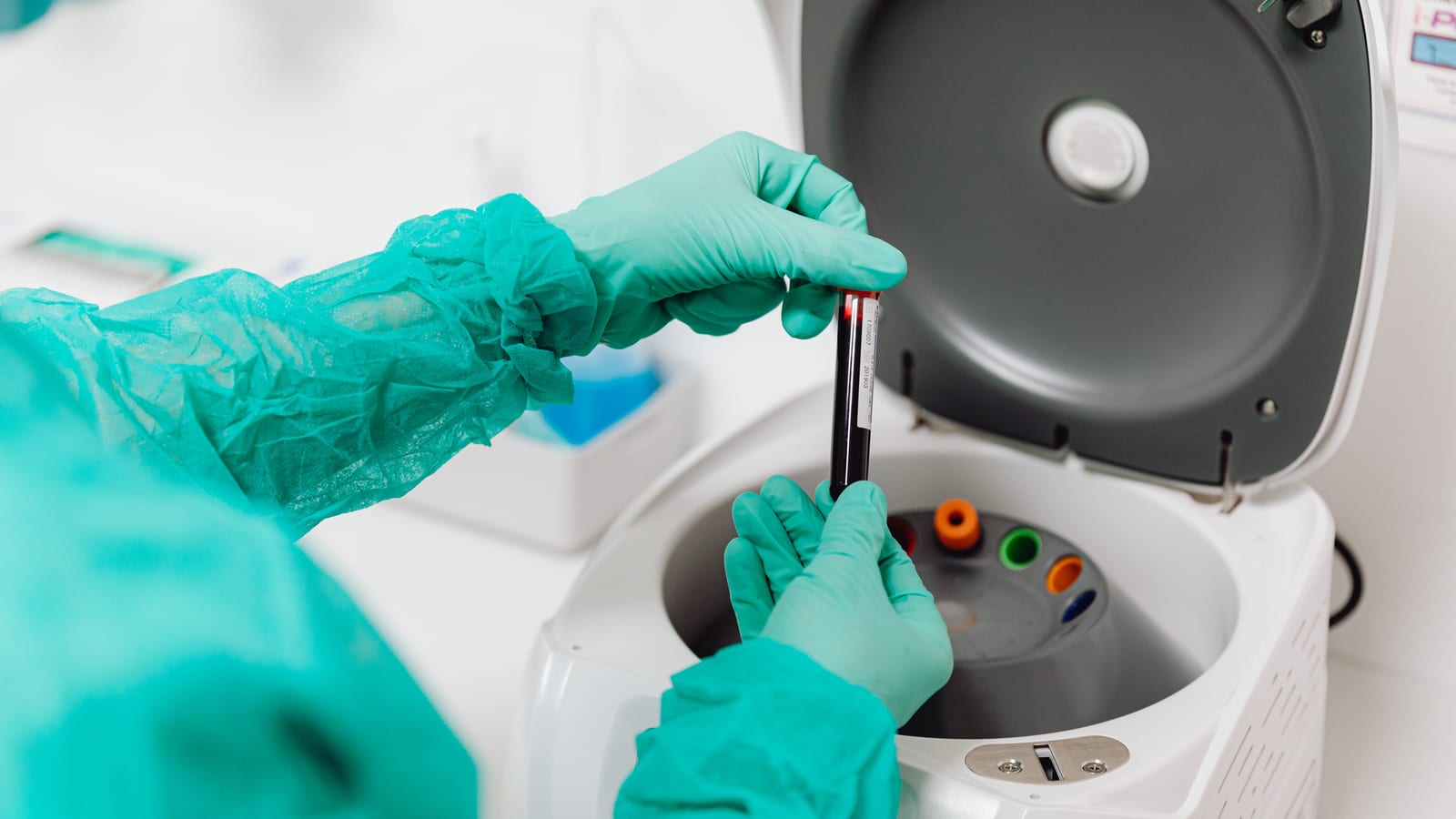
PRP starts with a simple blood draw, much like routine bloodwork. The blood is spun in a centrifuge to separate and concentrate the platelets, which are rich in growth factors. That concentrated plasma is then injected into the scalp at the level of the hair follicles.
The growth factors are thought to stimulate dormant follicles, extend the active growth phase, and improve blood supply to the area. Because it uses your own blood, there is no risk of an allergic reaction to a foreign substance. The whole visit usually takes under an hour.
Why does a lab workup matter before starting PRP?
Because so many cases of female thinning are driven by treatable medical issues, a lab workup comes first. Treating the hair without checking the cause is like bailing water without finding the leak. Key labs we consider include:
- Ferritin (iron stores), since low iron is a common and reversible cause of shedding in women.
- Thyroid panel, because both underactive and overactive thyroid can cause hair loss.
- Vitamin D, which plays a role in the hair growth cycle.
- Other markers as indicated, such as hormones, depending on your history.
If a lab comes back abnormal, correcting it can improve your hair on its own and makes any treatment, including PRP, work better. This step is part of responsible care, not an upsell.
What does a typical PRP protocol look like?
A common starting protocol is a series of sessions spaced about a month apart, often three to four initial treatments, followed by maintenance sessions every few months. The exact schedule depends on your degree of thinning and how you respond.
Consistency is key. PRP is not a single-visit treatment, and skipping maintenance tends to let gains fade. Your provider will set a schedule and check in on progress with photos so you can see whether it is working for you.
Can PRP be combined with minoxidil and other treatments?
Yes, and combining treatments is often more effective than any single approach. Minoxidil (the active ingredient in many over-the-counter hair products) and PRP work through different mechanisms, so they can complement each other. Many women use both alongside correcting any nutritional or thyroid issues.
Layering an evidence-based topical, in-office PRP, and a healthy scalp routine usually beats relying on one thing. See how the two compare in our PRP vs minoxidil article. Your provider can help you build a combined plan that fits your routine and budget.
What else causes hair thinning in women besides genetics?
Female thinning often has more than one cause stacked together, which is why identifying them matters before treatment. Beyond genetic female pattern hair loss, several common and often reversible factors can drive shedding.
- Iron deficiency, one of the most common and correctable causes in women.
- Thyroid disorders, both underactive and overactive.
- Hormonal shifts around pregnancy, postpartum, and menopause.
- Significant stress or rapid weight loss, which can trigger temporary shedding.
- Certain medications and crash diets low in protein.
- Tight hairstyles that pull on the follicles over time.
Some of these cause temporary shedding that recovers once the trigger is resolved, while others, like pattern hair loss, are ongoing. Sorting out which is happening is the whole point of starting with a history and labs rather than jumping straight to a treatment.
How do you set realistic expectations for PRP?
Honest expectations are part of good care. PRP is best thought of as a way to thicken existing hair and slow thinning, not as a way to grow a brand-new full head of hair. Results vary, build slowly over months, and depend on starting early and staying consistent.
We track progress with standardized photos so you can judge results objectively rather than by feel, which is easy to misjudge day to day. If PRP is not the right tool for your situation, we will say so. Overpromising helps no one, and your trust matters more than a single sale.
Who tends to respond best to PRP for hair loss?
The strongest responders are usually women in the earlier stages of thinning who still have plenty of living, miniaturizing follicles for the treatment to stimulate. PRP cannot revive follicles that are completely gone, so timing is one of the biggest predictors of success.
Other factors that help include addressing any underlying lab abnormalities first, committing to the full session schedule and maintenance, and pairing PRP with proven options like minoxidil. Patients who treat it as one piece of a complete plan, rather than a one-and-done fix, tend to be the most satisfied.
FAQ
How soon will I see results from PRP?
Most people start noticing reduced shedding within a couple of months and improved density over three to six months. Hair grows slowly, so patience is essential. Progress photos help you see changes that are easy to miss day to day.
Is PRP for hair loss painful?
There is some discomfort from the scalp injections, but it is brief. We can apply a numbing agent or cooling to keep you comfortable. Most patients tolerate the treatment well and return to normal activities the same day.
Who is not a good candidate for PRP?
PRP may not suit people with certain blood disorders, those on specific blood thinners, or active scalp infections. It also works best when started early; very advanced thinning with few remaining follicles responds less. A consult and labs determine if you are a candidate.
How long do PRP results last?
PRP is a maintenance treatment, not a permanent cure. Results typically last several months to a year before maintenance sessions are recommended. Without upkeep, gains gradually fade as the underlying thinning process continues. Ongoing care protects your progress.
Can PRP regrow hair I have already lost?
PRP works best on thinning follicles that are still alive, helping them produce thicker, healthier hair. It cannot revive follicles that are completely gone. That is why starting early, while you still have miniaturizing follicles, gives the best results.
Will I need to keep doing PRP forever?
To maintain results, periodic maintenance sessions are recommended, since female pattern hair loss is ongoing. How often varies by person. For the broader evidence on this treatment, read does PRP for hair loss work.
Want more detail before booking? Read whether PRP for hair loss works, compare PRP vs minoxidil, and if you are local, see PRP hair restoration in Mission Viejo.
Wondering if PRP is right for your hair?
Book a consultation at OC Weight Loss and Medspa in Mission Viejo. We will review your history, run the right labs, and tell you honestly whether PRP, minoxidil, or a combined plan gives you the best shot at thicker hair.
Book a hair restoration consult
Related treatments at our Mission Viejo clinic
Not sure which treatment fits? These are the related services our clinicians most often discuss at a consultation.
- PRP Therapy for Hair Growth and Skin Rejuvenation, Discover PRP therapy to boost hair growth, improve skin texture, and stimulate collagen using your body’s natural healing process safely.
- Face Rejuvenation for Youthful Radiant Skin Today, Revitalize your look with face rejuvenation treatments.
- Peptide Therapy in Orange County, Clinician-supervised peptide therapy in Mission Viejo: Ipamorelin, NAD+, GLOW Blend, BPC-157.
References
- Platelet-Rich Plasma for Androgenetic Alopecia: A Systematic Review and Meta-Analysis of Randomized Controlled Trials — J Cutan Med Surg 2023, via PubMed
- Platelet-rich plasma as a therapy for androgenic alopecia: a systematic review and meta-analysis — J Dermatolog Treat 2022, via PubMed
- Use of autologous platelet-rich plasma in androgenetic alopecia in women: a systematic review and meta-analysis — J Dermatolog Treat 2023, via PubMed